Why SSD flash could get cheaper a year before RAM does
TrendForce sees NAND contract prices potentially turning down in early 2027. Its latest forecast gives conventional DRAM a different timetable, tied to who buys the server memory that cloud operators release.
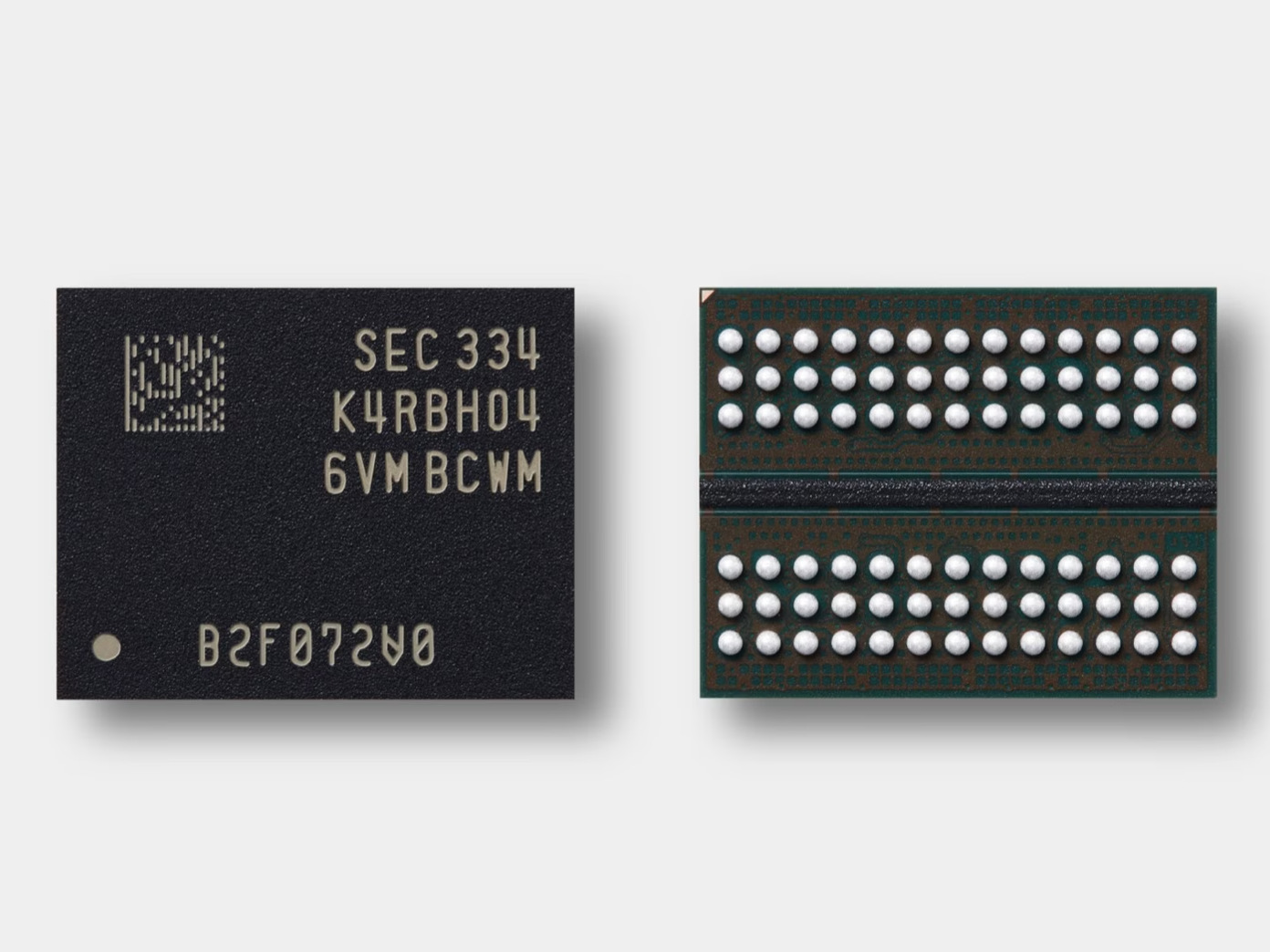
A laptop maker negotiating for next year’s components could get a break on the chips that store its customers’ files well before it gets one on the chips that keep their applications running. In its November 27 outlook, research firm TrendForce puts the first broad decline in conventional DRAM contract prices in the first quarter of 2028 under its central scenario. For NAND flash, the storage in a solid-state drive, it sees prices potentially falling as early as the first quarter of 2027.
Both projections concern contracts between suppliers and large buyers. Neither amounts to a promise about what a particular drive or memory kit will cost next Black Friday. What gives the gap between those forecasts some weight is that buyers have already reacted differently to the same opportunity: orders that Chinese cloud operators no longer intend to place.
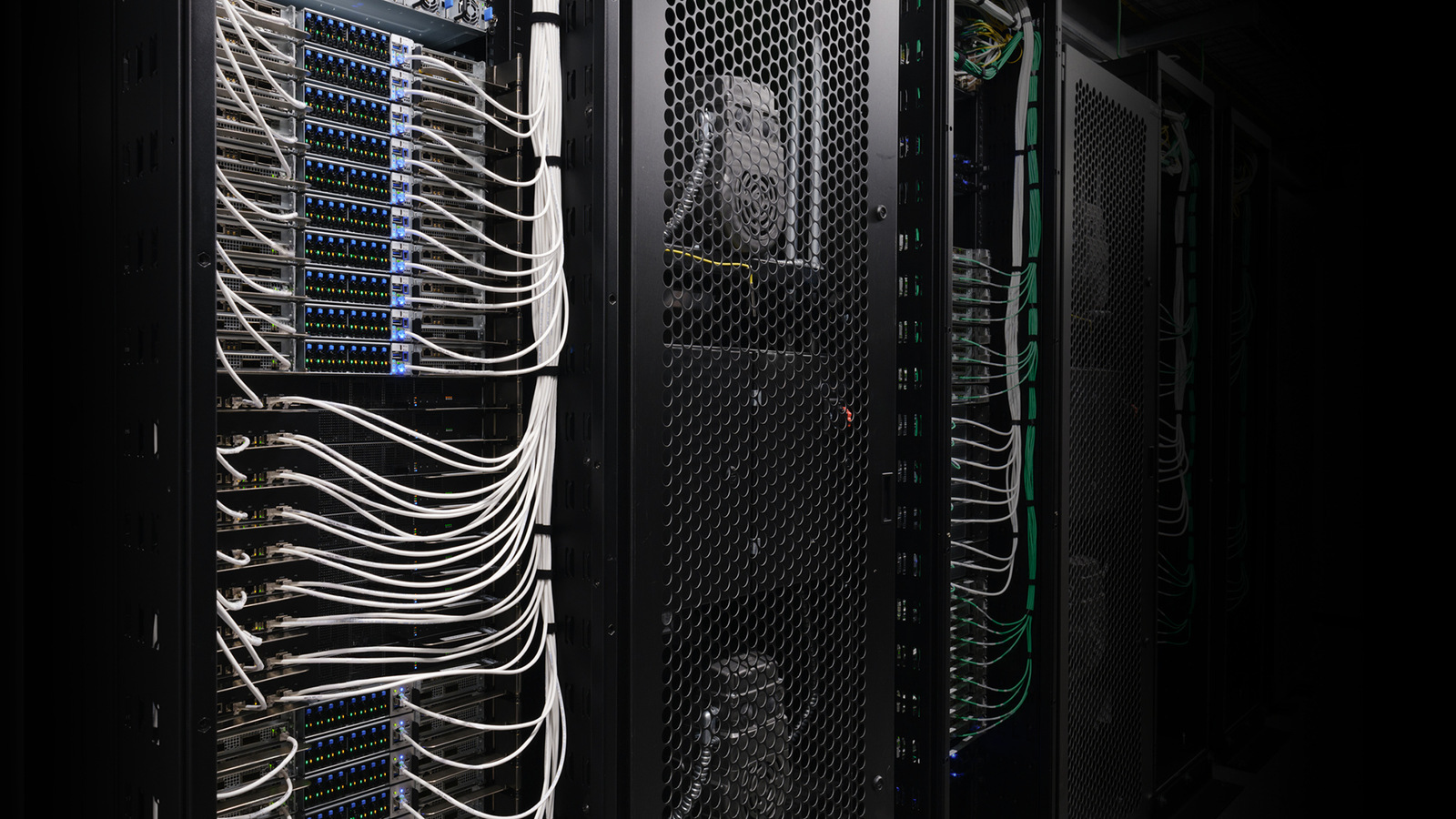
The same rack buys two kinds of capacity
In TrendForce’s account of the order changes, some Chinese cloud providers cut planned purchases of server DRAM outside their long-term agreements. North American providers took up much of the supply that became available. Suppliers faced a change of customer with relatively little loss of demand. When Chinese buyers also scaled back their enterprise SSD plans, additional orders in North America fell short of filling the gap.
A rack can make heavy use of both components without making them interchangeable. Consider the GB200 NVL72. Its GPUs need fast access to working data. In a recent Kioxia demonstration, SSDs attached to that system held a much larger collection of vectors from which a GPU could retrieve particular records. A cloud operator that has yet to secure the GPUs for its next installation has a reason to postpone the storage order for that installation too. This was a demonstration of the hardware distinction; TrendForce’s orders cover the wider market.
Phone and PC makers can pull on storage demand from the other end. Shipping a machine with a smaller SSD reduces the number of flash bits purchased even if the manufacturer sells exactly as many machines. Meanwhile, moving to denser flash lets a chipmaker produce more bits. TrendForce’s November NAND forecast puts potential 2027 growth in the supply of bits at 25–30% over 2026. Counting drives or phones alone would miss both changes.
What a cheaper chip buys
There is a difference between an increase getting smaller and a price coming down. If successive DRAM contracts climb by ever smaller amounts, a computer maker can still pay more on each renewal. TrendForce says prices might level off in the second half of 2027. For them to fall earlier than its central estimate, server builders would have to do more than trim their forecasts: the firm’s weaker scenario also assumes buyers start running down inventory across the supply chain.
At the shop counter, compare the capacity as carefully as the price. A laptop line that stays at the same sticker price while its base SSD falls from 1 TB to 512 GB has quietly become dearer per gigabyte. That example is hypothetical, but it captures a real tension in the outlook. A smaller drive can help push down the wholesale price of flash while leaving the person who buys the laptop with less space for their money.