GTA VI’s clothes and hair can give players a reason to remember a shop
Rockstar describes location-specific choices, while promotional images of Ultimate Edition benefits need their own access context.
In this guide
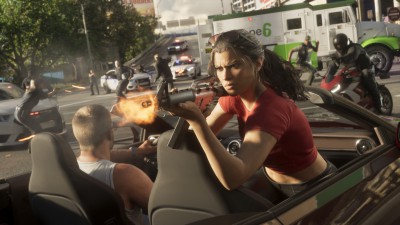
GTA VI’s clothes and hairstyles have a role beyond changing how Jason and Lucia look in screenshots. Rockstar has described shops with a mixture of shared stock and location-specific options, giving players a reason to notice where they buy things rather than treating every storefront as the same catalogue.
Rob Nelson explained that distinction in IGN’s October developer interview. It is a small but useful piece of world design: customization can create routes through Leonida, with a neighbourhood remembered for a particular shop as well as for its buildings or missions.
A haircut can make a shop a destination
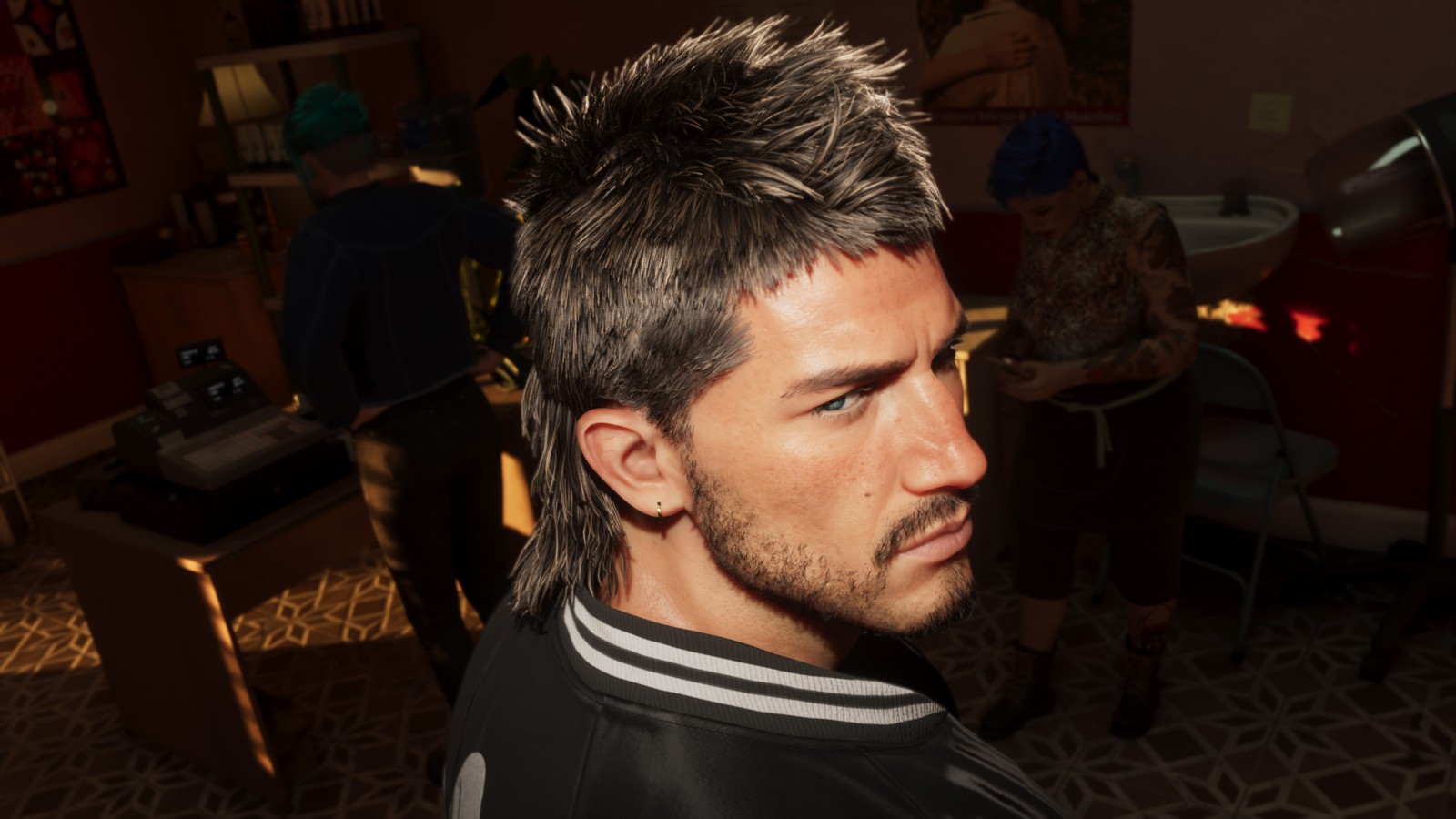
Nelson distinguishes basic hair adjustments available at a safehouse from visiting a barber or salon for new styles. The distinction gives the two places different functions. Home offers a limited form of upkeep; a specialist business offers a broader choice.
If every cosmetic option were available from a single menu anywhere in the world, the player would have little reason to associate a look with a place. Distributing some options across shops creates that association. The journey can become part of the customization process, rather than something that delays access to it.
That does not tell us how many styles exist or how widely individual items are distributed. The important confirmed idea is the mix of common and distinctive stock. It creates the possibility of discovery without requiring every store to be completely unique.
Promotional outfits need their edition context
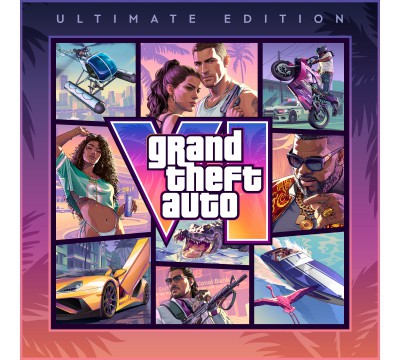
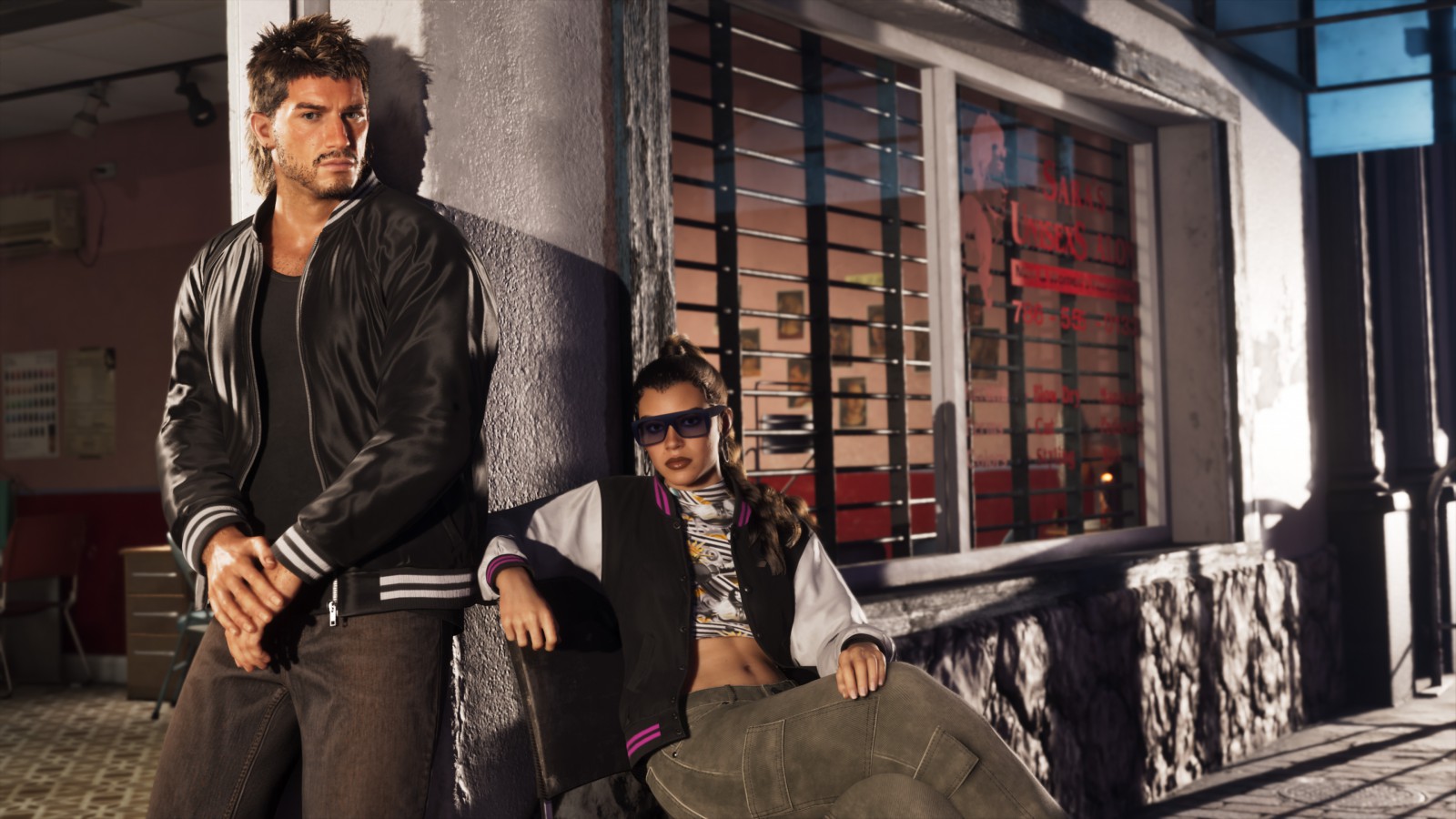
The official site separately presents the benefits of the Ultimate Edition, including Sara’s Unisex Salon material. The images used here come from that presentation. They should not be mistaken for a promise that every pictured option is included in every edition on identical terms.
This is where a useful distinction can disappear in a screenshot roundup. A picture may accurately show the game while still depicting a specific package’s benefit. The appearance is real promotional material; the entitlement attached to it needs its own description.
Rockstar’s edition selector describes those package differences. For someone interested mainly in the world’s everyday routines, the more fundamental question is how shopping fits into play, rather than whether one promotional outfit is the definitive look for a character.
A personal look can become a memory of a place
Grand Theft Auto VI has named protagonists, so choosing clothes is not the same as creating an entirely new character. The player works within an existing identity while deciding how that person presents themselves during a particular part of the journey.
That gives cosmetic choice a useful middle ground. Jason and Lucia can remain recognizable people while differing from the exact appearances in a trailer. An outfit can mark a visit to a district, a preference for a particular style, or simply a change of mood without requiring a new biography.
The published material does not justify a claim about infinite combinations, a full fashion simulation or the price of every item. It supports something more grounded: shops are intended to have enough individuality that looking around can be rewarded.
In a large open world, a memorable haircut is a modest prize. A shop you can remember how to reach without consulting a marker is the more revealing result. Customization has done useful work when it helps turn an address on the map into somewhere you know.