GTA VI’s radio can keep playing after the engine stops
On-foot listening and on-demand podcasts change the role of in-game audio beyond the size of a soundtrack list.
In this guide
Leaving the car will no longer have to mean leaving GTA's radio behind. Rockstar says GTA VI lets Jason and Lucia listen to radio and on-demand podcasts both in vehicles and on foot, using headphones or earbuds connected to their phones. That extends one of the series' most distinctive features beyond the dashboard.
The detail comes from Rockstar's October 8 radio announcement, which previewed six stations. It is worth revisiting before Grand Theft Auto VI's November 19 launch because the change concerns how players inhabit the world, not merely how many songs appear in a soundtrack list. The six featured stations are a selection, not a confirmed total for the game.
A broadcast can follow a walk
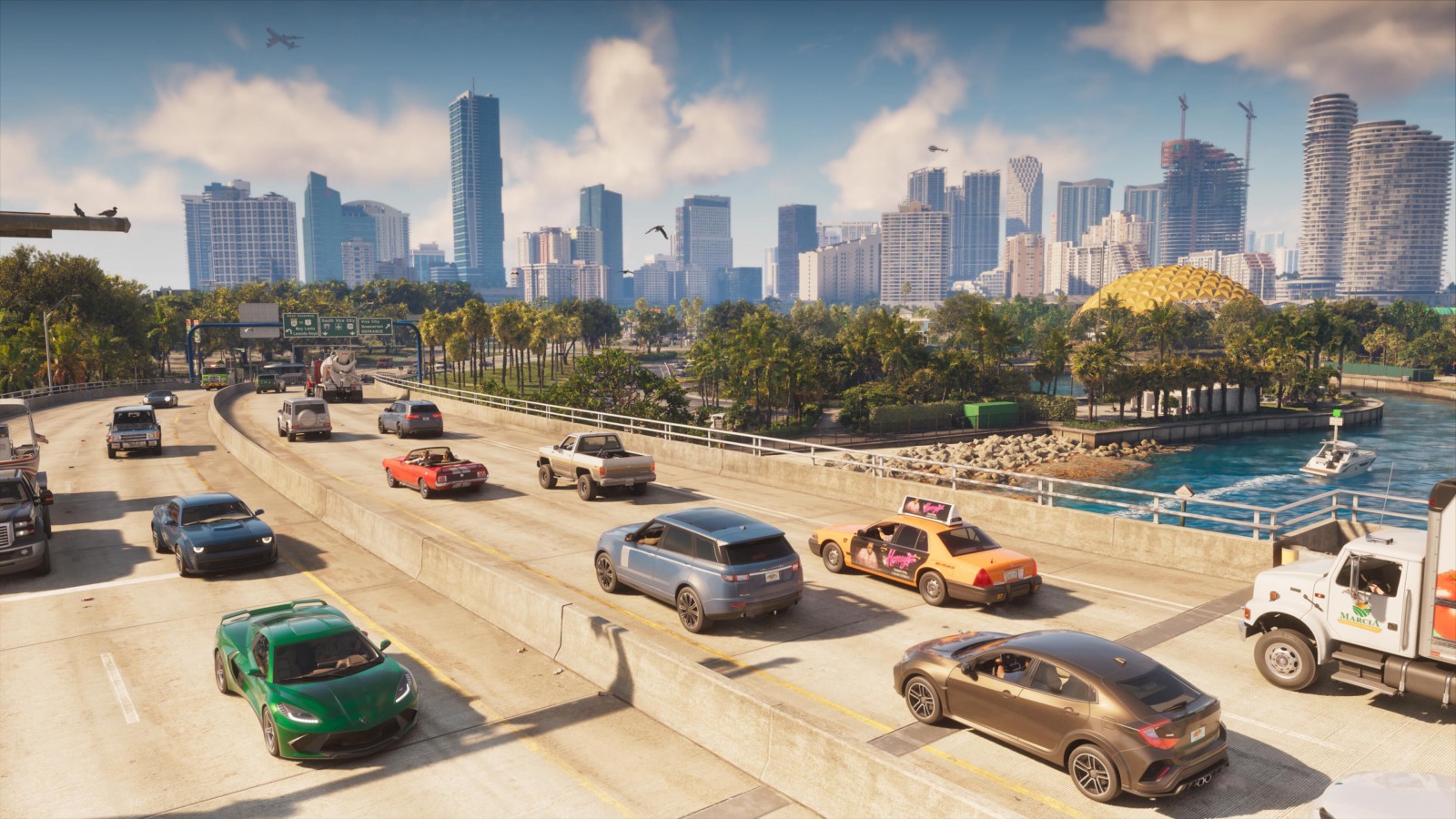
Car radio gives an open-world journey a particular rhythm. Music and presenters accompany movement, while arriving at a destination can interrupt the listening session. Allowing radio on foot loosens that connection between the vehicle and the program: the player's choice to keep listening can survive a change in transport.
That creates a different relationship between exploration and sound. A walk along a street can carry the same station identity as the drive that preceded it. Conversely, choosing to stop listening can make room for the surrounding environment. Rockstar confirms the listening options, but its announcement does not establish every control shortcut or how audio priorities behave in each situation.
It would therefore be premature to promise that a program always continues uninterrupted through missions or that every spoken scene can coexist with a podcast. The confirmed feature is access in more places. Its complete rules remain distinct from the broad idea.
Podcasts add a different kind of choice
On-demand listening and a broadcast station organize attention differently. A station offers a programmed flow; an on-demand format lets the listener choose a particular program. Putting both inside the game's phone gives the fictional media world more than one way to accompany a journey.
That distinction can matter more than the raw size of the music library. A recognizable host or station format can give a place a voice, while a podcast can hold attention over a longer stretch. These are possibilities created by the formats, not a review of programs we have heard in the finished game.
Six stations are a sample of Leonida
Rockstar's selection spans Cocoteo FM's Latin music, Back Country Radio's country programming, AfroBank FM's African music, metal on The Chamber 106.6, pop on Flash FM and regional rap on Dirty South Classics. The range gives the announcement substance without requiring a speculative full track list.
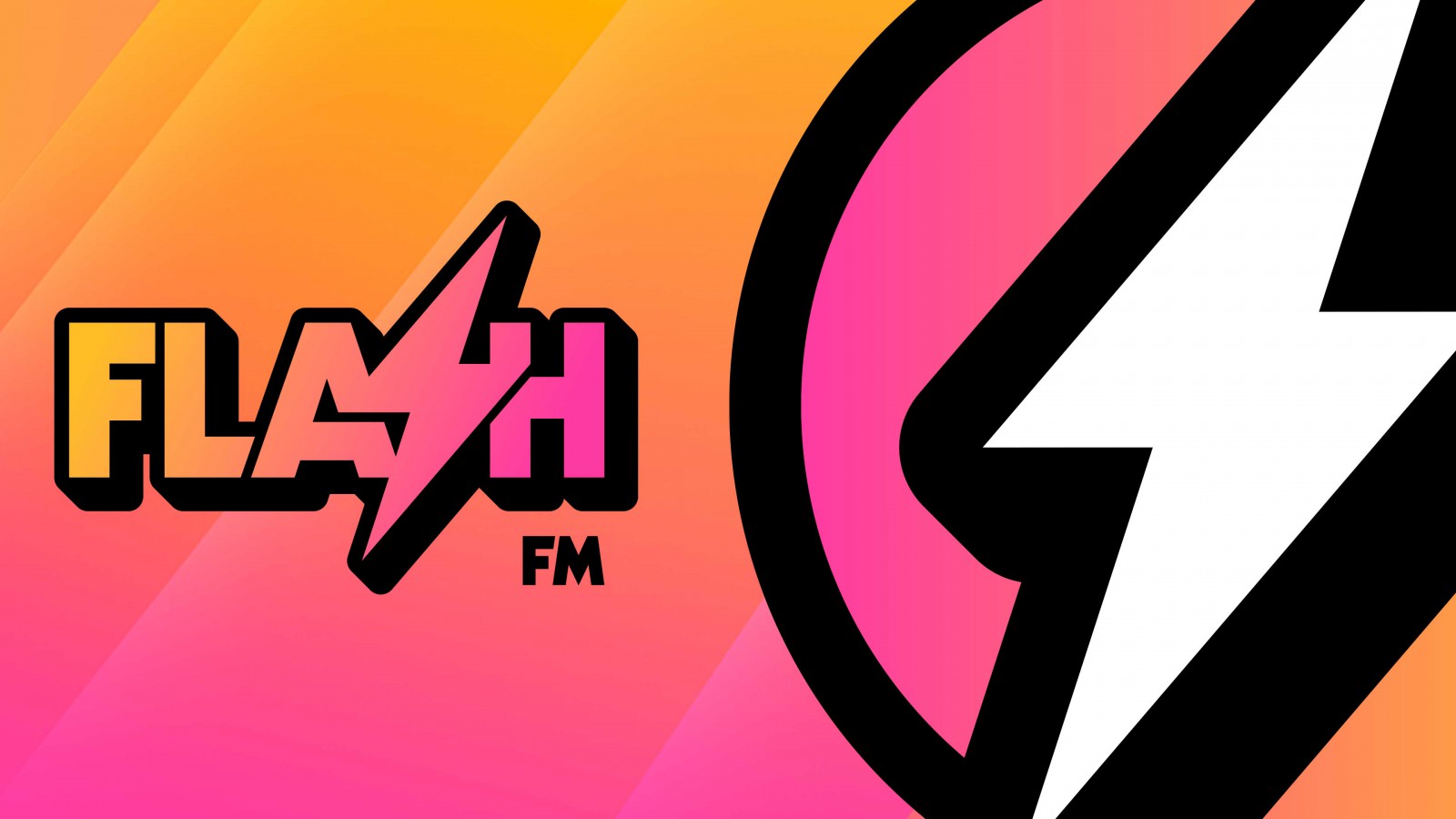
Flash FM is especially useful as a recognizable station identity within Vice City. Its presence does not mean an old playlist returns unchanged. A familiar name can connect a new setting with the series' musical history while the programming reflects the current game's own world.
The station artwork is also part of that identity. The Flash FM mark can communicate its pop-oriented character before a track begins. It should be read as official station branding, not as evidence of a specific radio interface or a complete list of music rights.
The radio is not either album
Our guide to GTA VI's two album releases separates the song collection from the Justice score. Neither should be substituted for the game's full radio catalogue. A soundtrack release packages music for listening outside the game; in-world radio adds hosts, sequencing and a fictional setting around what is heard.
The official Leonida presentation describes a place made of distinct communities. Radio can connect those places without making them sound identical. Bringing it onto the pavement means the connection can continue after the engine stops—the player decides whether the next part of the journey needs a station or the sound of the street.