Perplexity Teammates turns a request into an ongoing job, with permissions to match
The individual Max web preview adds persistent roles and parallel agents. Access rights and recurring credit use become part of the setup.
Perplexity's Teammates preview changes the unit of work from a single request to an ongoing responsibility. Instead of asking an assistant to investigate one bug, a user can assign it a role that watches for new reports, follows up and brings work back for review. That persistence is the useful feature, and also the reason permissions and credit consumption become more important.
The November 6 release notes introduce Teammates alongside other changes, but the products should not be conflated. The setup documentation specifies a research preview for individual Max subscribers on the web. Pro is not included, and Enterprise Pro and Enterprise Max do not automatically receive access.
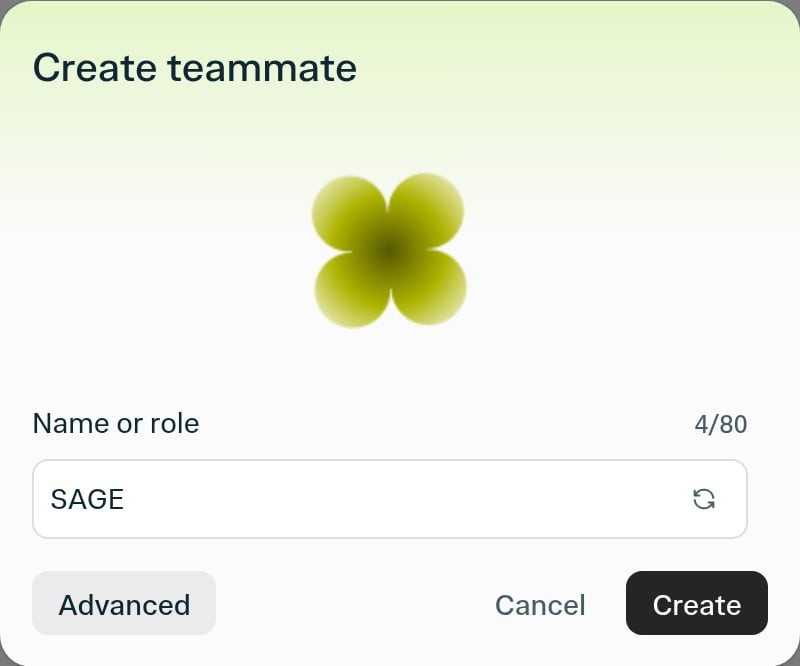
A role survives the conversation
Each teammate has its own role, memory and computer environment. It can use connected tools, a browser and code, and divide a larger job among additional agents. Teammates working in the same Project share its context, files and instructions while retaining separate responsibilities.
This is materially different from returning a long answer to one prompt. A monitoring role can begin work when a new item appears, schedule a follow-up and continue after the original conversation has ended. Perplexity describes examples involving Slack, GitHub and Linear, such as investigating incoming issues or preparing recurring research.
The quality of the assignment therefore matters beyond the first result. “Watch this project” leaves unanswered which changes warrant action, who should receive a report and what the agent is allowed to alter. A useful role identifies the source, expected output, trigger and audience. Those boundaries reduce ambiguity each time the task repeats.

Connected access carries through to the agent
Perplexity says Teammates use installed plugins and skills with their existing permissions, and follow Project permissions. It recommends reviewing requested access and limiting GitHub access to repositories the job needs. Isolation between computer environments is helpful, but it does not make an overly broad account permission harmless.
An agent allowed to read a channel and draft a summary has a different operational scope from one allowed to modify tickets or open code changes. Instructions should make that difference explicit. The documentation describes finished work being returned for review; it should not be interpreted as a guarantee that every possible action in every connected service requires a separate approval.
The distinction is especially relevant when a team is evaluating where information goes. A local-computing headline cannot answer the privacy or access questions for a persistent agent using online connectors.
More parallel work can consume more credits
Max includes a monthly allocation of credits used by Teammates. Perplexity warns that complex projects, parallel agents, large files and frequent automations can increase consumption. A recurring job should therefore be scoped for both useful output and frequency: checking continually is not automatically better than checking at a meaningful interval.
Users can select the model for each teammate, and the documentation describes changing models according to the demands of different tasks. That adds another control, but choosing a cheaper model cannot compensate for a badly defined job that repeatedly produces irrelevant work.
Teammates is most interesting when a responsibility has clear boundaries and a result someone can inspect. A weekly report with named sources and an agreed destination is easier to evaluate than a vague instruction to improve a business. The persistent agent earns its place when it reduces forgotten follow-ups without leaving the owner uncertain about what it has been doing in the meantime.