Samsung’s record quarter hides a sharp divide between memory and mobile
Device Solutions dominates the operating result while Mobile eXperience and Networks together remain in loss.
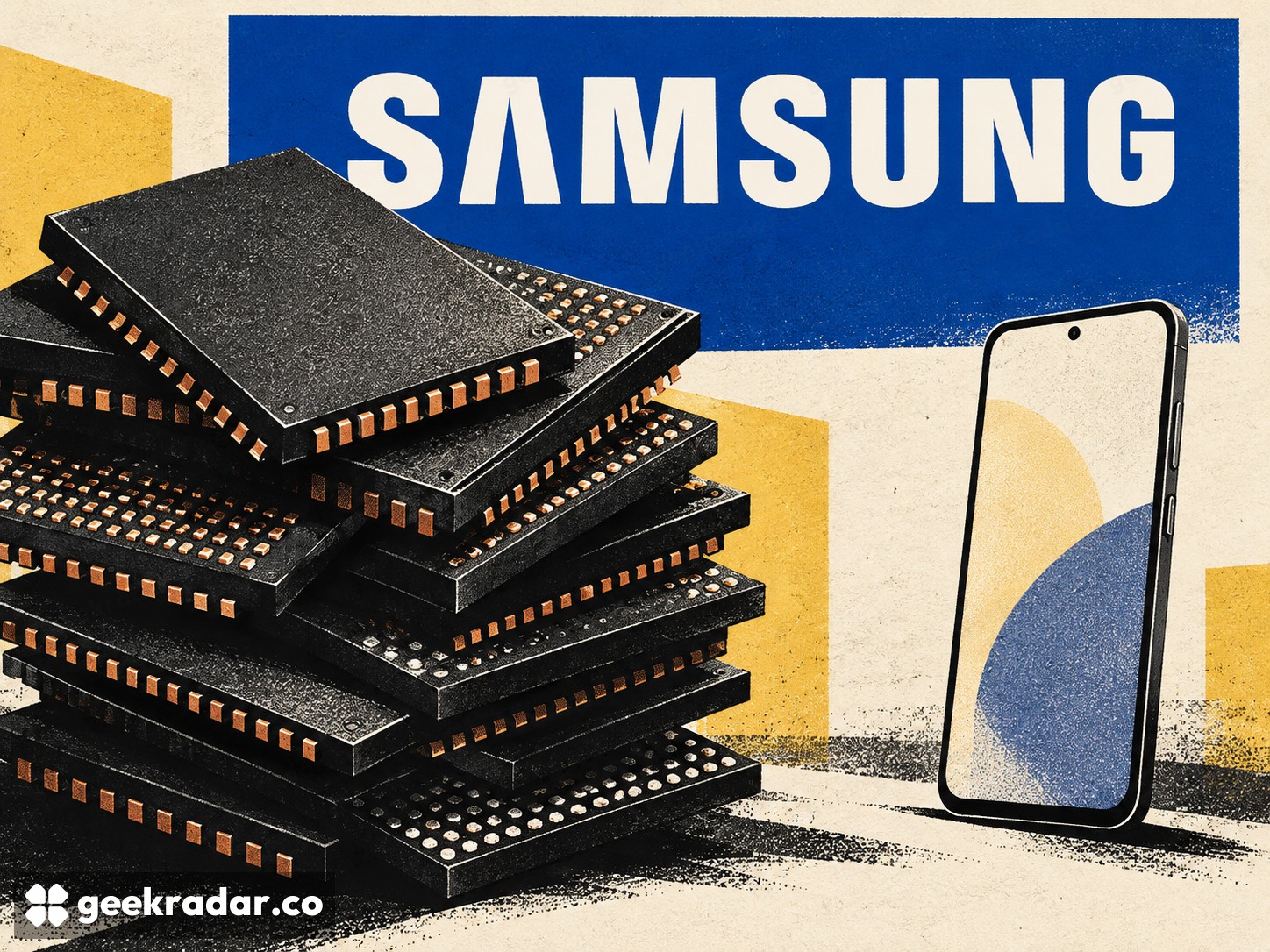
Samsung’s record third quarter contains two very different businesses. Its Device Solutions division reported KRW 106.5 trillion in operating profit, while Mobile eXperience and Networks together recorded a KRW 0.6 trillion operating loss. The company’s strength as a supplier of AI infrastructure is not translating into equally comfortable conditions for its consumer-device operations.
In its October 29 results, Samsung Electronics reported consolidated quarterly revenue of KRW 195.3 trillion and operating profit of KRW 107.4 trillion. The period ended September 30. These are operating figures in Korean won, not net profit, dollar amounts or forecasts for the following quarter.
Memory changes the balance of the company
Samsung attributes the memory business’s record performance to a product mix focused on AI, constrained capacity, stronger server demand and higher market prices. It says sales of HBM4 and server SSDs expanded. HBM is high-bandwidth memory used alongside demanding processors and accelerators; its market should not be treated as interchangeable with a retail PC memory kit.
The company’s plans reinforce that direction. It expects to prioritize HBM, server DRAM and SSD sales, and describes multi-year contracts as part of building a stable sales base. Those are management’s strategy and outlook, not independently guaranteed demand or a promise that supply constraints will last for a particular period.
The important connection is between the product being sold and the customer’s willingness to secure it. A memory supplier positioned around large infrastructure purchases can benefit even while a device manufacturer struggles with the cost of assembling a complete product. Samsung participates on both sides of that divide, making the contrast visible inside one set of results.
| Reported business | Q3 revenue | Q3 operating result |
|---|---|---|
| Samsung Electronics, consolidated | KRW 195.3 trillion | KRW 107.4 trillion profit |
| Device Solutions | KRW 147.1 trillion | KRW 106.5 trillion profit |
| Mobile eXperience and Networks, combined | KRW 37.7 trillion | KRW 0.6 trillion loss |
Figures are from Samsung’s release. Segment numbers should not simply be added to reconstruct consolidated results, which include the company’s reporting adjustments and other operations.
More phone revenue did not erase cost pressure
The combined mobile-and-networks revenue rose both sequentially and from a year earlier, helped by flagship launches including foldables. Samsung says the flagship mix improved earnings from the preceding quarter, while cost pressure reduced them year on year. Networks also faced weaker sales in North America and high-margin software.
The combined result therefore cannot be described as a standalone Galaxy-phone loss figure. It includes Networks, and the release discusses different drivers within that grouping. Equally, the group’s record profit cannot establish that the phone division is prospering simply because its parent is.
For the year-end period, Samsung plans to emphasize its flagship Galaxy families and improve efficiency. That tells readers where the company intends to concentrate its commercial effort; it does not establish future retail prices, discounts or the success of an unannounced product.
The results make a useful distinction for anyone following Samsung through the device in their pocket. The familiar consumer brand is also a major supplier to businesses building computing infrastructure. This quarter, the components going into those systems explain far more of the operating result than the phones carrying the same name.