Nokia’s 2360 Flip moves setup to a helper’s phone. Its 2G limit comes first
SMS-based Family Assist simplifies remote help, while the SOS button calls configured contacts rather than an independent response service.
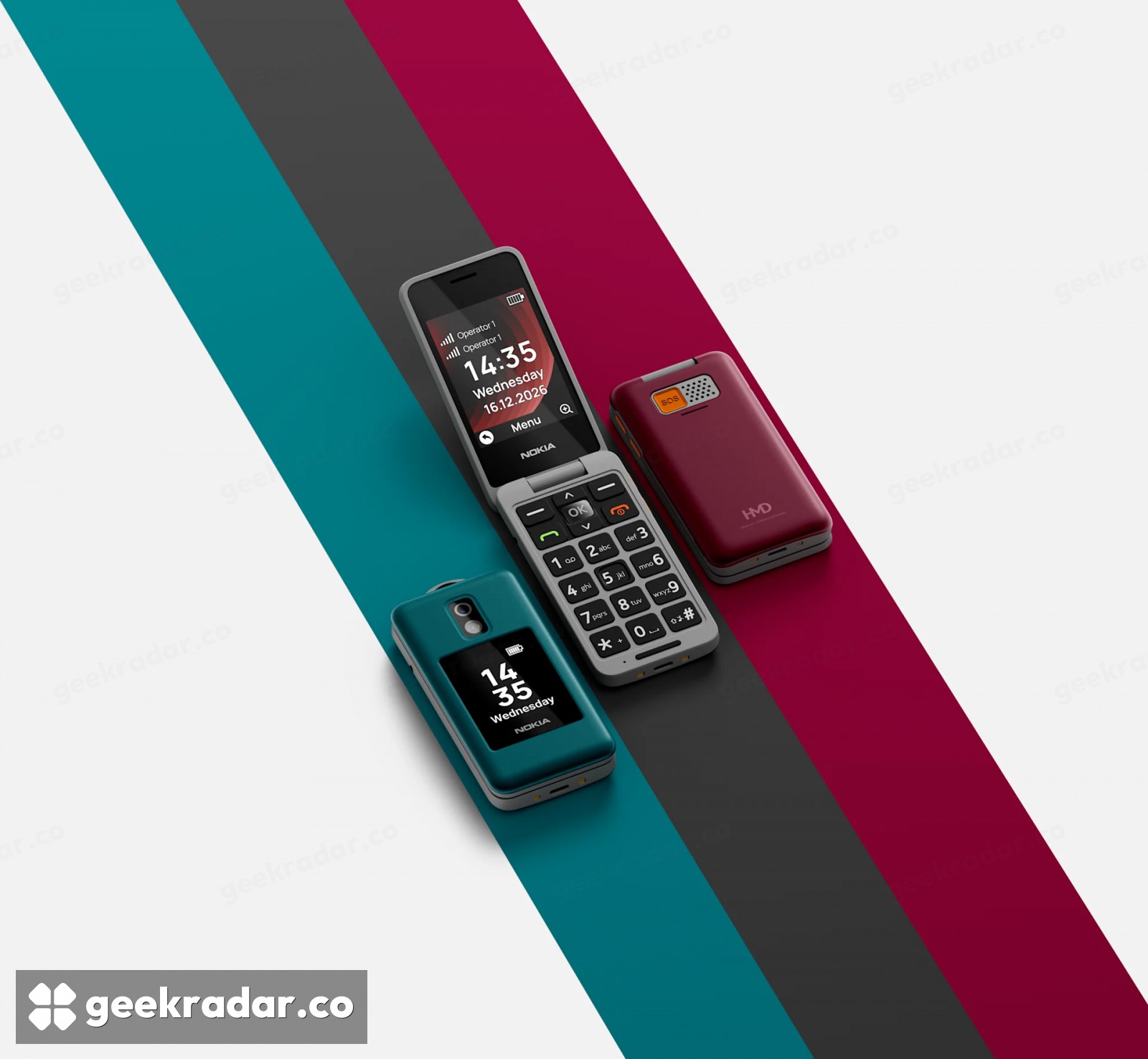
Nokia’s new 2360 Flip puts remote setup ahead of smartphone-style features. A family member can use HMD’s Family Assist app to manage contacts, reminders, volume and the phone’s SOS configuration through SMS, without a mobile data plan on the flip phone itself.
The central buying consideration is just as plain: HMD identifies the 2360 Flip as a 2G phone. Its suitability therefore depends on the intended operator’s network, not simply on whether a SIM physically fits.
Remote help without a shared screen
Helping someone configure a basic phone often means being beside it or explaining menus over a call. SMS-based management changes that arrangement. A contact can be corrected remotely, and reminders or volume can be adjusted without asking the owner to reproduce a long sequence of button presses.
That is a different goal from adding a full smartphone operating system. The recipient can keep a simpler handset while another person uses an app on their own device. HMD offers Family Assist through the Android and iPhone app stores and says SMS charges may apply on the managing device.
“No data plan” should consequently not be read as “no connectivity cost.” It describes the flip phone’s management channel, not a promise that every message, call or account is free. Remote administration also creates a relationship between two people: the person carrying the handset should understand what the helper can change.
Two screens and a qualified SOS feature
The internal display measures 2.8 inches; the 1.77-inch external screen can show who is calling before the phone is opened. The battery is removable and rated at 1,450mAh. Opening and closing the handset can answer and end calls, keeping the physical interaction familiar.
HMD’s detailed description says holding the SOS button for three seconds calls a preset number and texts up to five emergency contacts. Its footnote explicitly says this is not a substitute for public emergency services. That qualification matters more than the reassuring language surrounding the feature.
The same device also has family-PIN controls for restricted contacts, school mode and individual app blocking. Those are separate functions from remotely helping an older relative; their presence does not mean every owner should have the same restrictions enabled.
Network support comes before simplicity
HMD’s international page does not provide a universal launch price or a worldwide availability promise. A local product listing and operator compatibility remain necessary to evaluate a purchase in a particular market.
The design’s appeal is coherent: fewer actions for the person holding the phone, with setup help moved to someone else’s device. But a familiar hinge and large icons cannot compensate for an unsuitable network. The first question is whether the phone will remain usable on the intended service; only then does the easier interface become a benefit.