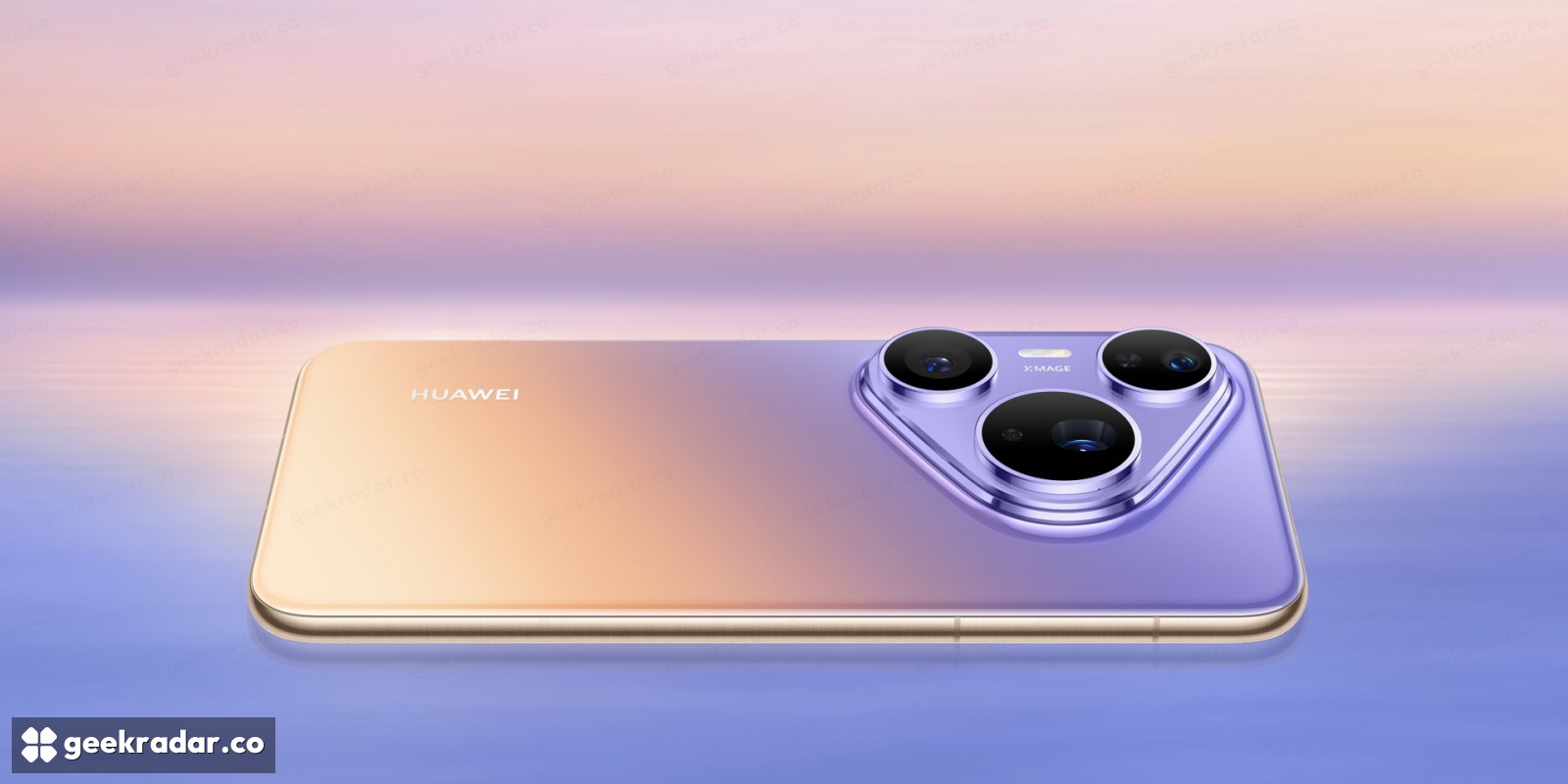
Huawei Pura 90 Plus puts a one-inch camera ahead of a misleading memory number
A variable aperture and close-focusing telephoto define the camera proposition. The “16 GB experience” does not mean 16 GB of physical RAM.
Huawei’s Pura 90 Plus moves beyond the reservation stage with a China launch built around a one-inch-type main camera and a variable aperture. The interesting part is how that optical flexibility sits alongside increasingly aggressive software assistance. More light at capture and more intervention after capture solve different problems, even when both appear under the XMAGE name.
The official Chinese product page lists a starting price of CNY 5,499, HarmonyOS 7 and a 5,700 mAh typical battery. GSMArena’s launch report gives October 31 as the Chinese sale date. Those details advance the story beyond the earlier reservations; they do not establish worldwide availability.
Optical choices before computational ones
The main camera’s aperture can physically change. A wider opening admits more light, while stopping down can increase the range of distances that look sharp. A large sensor can help in difficult light, but it also makes focus placement more consequential when photographing nearby objects. Variable aperture offers another tool for managing that tradeoff; it is not a guarantee that every automatic exposure will choose well.
Huawei also emphasizes a telephoto camera with an f/2.1 aperture and close focusing down to 5 cm. This connects distant subjects and small details in one part of the camera system. It does not mean that the heavily enlarged examples on a product page all represent the same optical magnification or the same image quality.
XMAGE assistance includes composition suggestions and editing tools. The fine print deserves attention: some demonstrated features require a software update, and several demonstration sequences use other Pura 90 models. A shared software demonstration should not quietly become evidence of this particular phone’s camera output.
Read the memory and charging numbers literally
Huawei advertises an experience comparable to 16 GB for keeping apps available, but identifies the actual RAM as 12 GB. Memory management and compression can change how often apps reload; they do not add four gigabytes of physical memory. The comparison also uses a specified older phone and software baseline.
The wireless figure requires a separately purchased compatible charger and the specified power equipment. Actual power varies during charging, so neither maximum is a full-charge average. Huawei’s satellite messaging qualification is also limited to mainland China.
For readers outside the launch market, the Pura 90 Plus is useful evidence of where phone cameras are heading. It is a less straightforward buying proposition until software, service support and regional availability are established. The most persuasive upgrade will be a photograph whose difficult focus or lighting problem was solved at capture, rather than a specification that needed its footnote removed to sound larger.