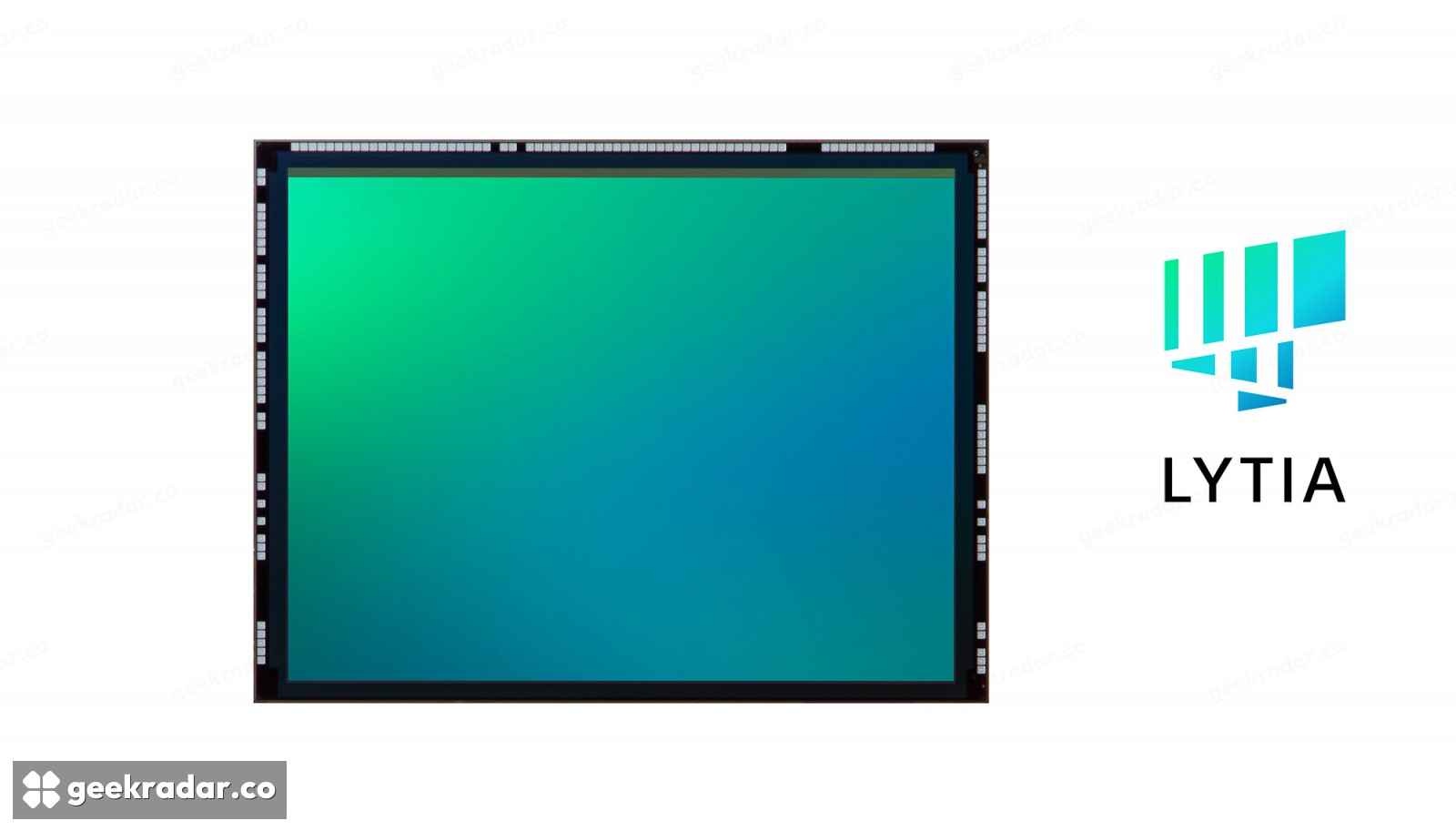
Sony’s LYTIA 720 promises cleaner shadows before a phone’s software gets involved
The 50-megapixel sensor combines a lower-noise circuit with 4K60 HDR and all-pixel autofocus. Its shipping date does not establish a handset launch.
Sony's new LYTIA 720 aims to improve a familiar weak point in phone cameras: the grain that appears when light becomes scarce. The company says its new circuit design reduces random noise by roughly half compared with LYTIA 700, while supporting 4K video at 60 frames per second with HDR and all-pixel autofocus. That is a sensor announcement, not yet a verdict on a finished phone.
The October 28 announcement schedules mass-production shipments for early November. It describes a roughly 50-megapixel, 1/1.56-type stacked sensor. That optical-format label should not be read as the literal diagonal in inches: Sony specifies a 10.24mm diagonal. No handset launch can be inferred simply from the component shipping date.
The gain begins before the photograph is processed
A sensor converts incoming light into electrical information. When the useful signal is small, noise introduced while reading it becomes more conspicuous. Sony calls its approach Ultra High Conversion Gain, or UHCG: the circuit converts charge into voltage more efficiently, aiming to preserve a cleaner weak signal.
This is different from making a noisy photograph appear smoother after capture. Software noise reduction can help, but aggressive processing may also remove fine texture. Improving the incoming information gives the later imaging pipeline a better starting point; it does not specify what a phone maker will do with that information.
Sony's comparison with LYTIA 700 is a manufacturer claim under its stated conditions. It is not evidence that a LYTIA 720 phone will produce half as much visible noise as every competing handset. Exposure time, optics, stabilization, processing and the subject's movement all affect the result a person sees.
HDR video has to leave time for focusing
The other consequential claim concerns work happening simultaneously. The sensor supports HDR recording at 4K60 while retaining autofocus information across its pixels. Sony attributes that combination to faster analogue-to-digital conversion. A useful video camera must keep handling focus and changing light while delivering frames on schedule, rather than demonstrating each capability separately.
The company's LYTIA technology overview explains the distinction: HDR addresses scenes containing bright and dark regions, while all-pixel autofocus gathers focusing information across the sensor. A face near a bright window can challenge both systems at once. Correct focus will not recover clipped highlights, and preserving highlights will not rescue an unfocused face.
A better component still needs a coherent camera
The 1.0μm pixel pitch and Quad Bayer layout describe the sensor's physical organization. They do not settle a phone's default photograph resolution or prove how its zoom will look. Manufacturers can choose different readout modes, lenses and processing priorities around the same component.
That is why the interesting promise here is less about adding another 50-megapixel label than improving useful information under difficult conditions. Cleaner shadows can preserve the texture of clothing; reliable focus can keep a moving subject recognizable; suitable HDR can hold a window without flattening the rest of a room. Whether a phone delivers those benefits depends on the whole camera. LYTIA 720 gives its designers another way to avoid losing information before their software even sees it.