Rugtake’s T3 Pro puts Ethernet and HDMI on a tablet, with trade-offs beyond the ports
Built-in connectors can remove adapters, but the Android software, real RAM and charging time still shape the work it can do.
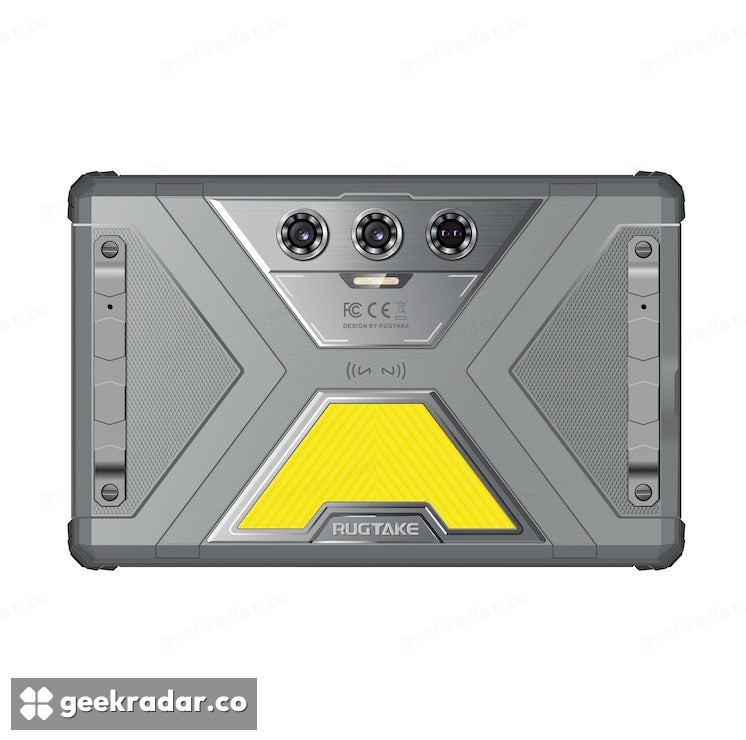
RugTake's T3 Pro makes an unusual argument for a tablet: bring the network socket and display connector with you. Its published specification includes RJ45 Ethernet and HDMI alongside USB-C, in a thick, rugged Android device built around a 20,080 mAh battery.
The appeal is less about replacing a lightweight entertainment slate than reducing adapters in places where wired connections matter. A technician checking equipment or showing a diagram on an existing display has a different set of priorities from someone reading on a sofa. The specification describes that use case, although it does not establish how well the product performs in it.
Ports remove one obstacle, not every compatibility check
An integrated Ethernet socket means a separate USB network adapter is not required for that physical connection. HDMI output provides another route to a monitor. Neither guarantees compatibility with every organisation's authentication, management software or display requirements.
The useful questions are specific: which network controls are required, what output modes the display supports, and whether the needed Android applications work with the connected equipment. A connector's presence is a starting point for that assessment, not a substitute for it.
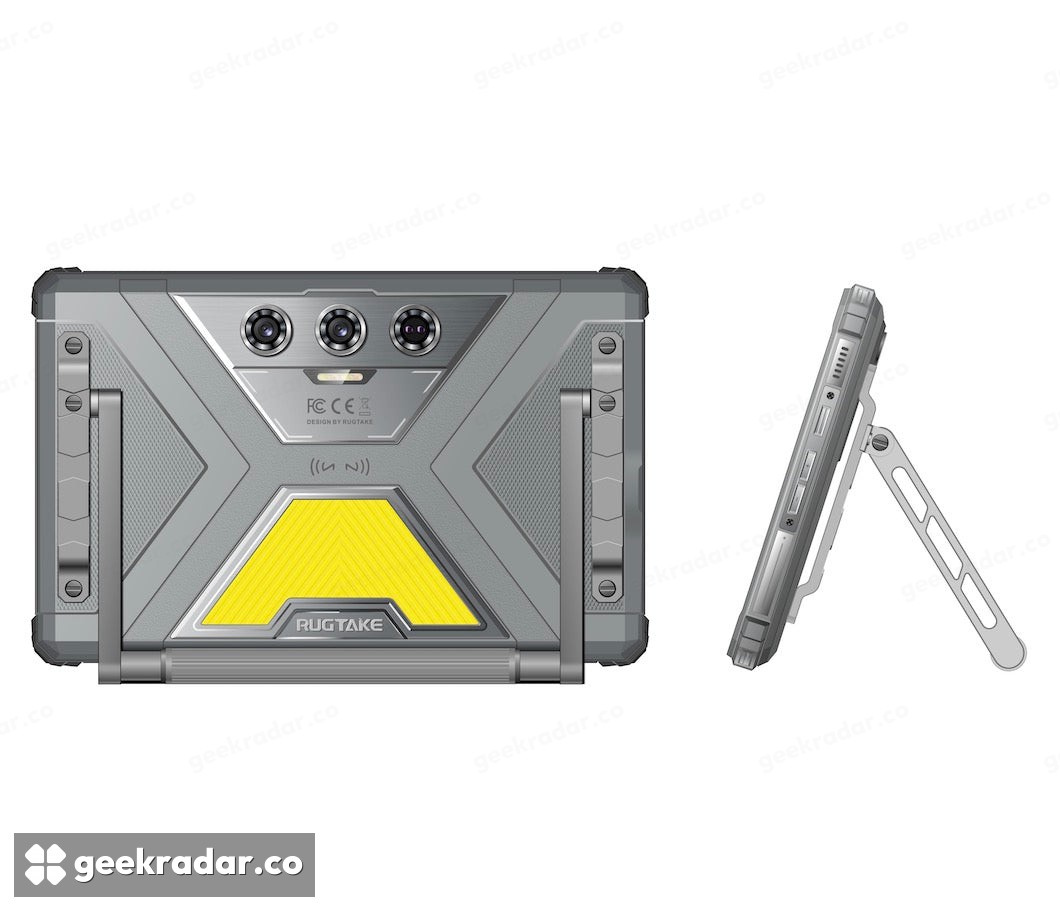
The chassis is listed at 18.5 mm thick, with a handstrap and stand among the accessories. That suggests a device intended to be held, secured or positioned during work rather than judged solely by how easily it disappears into a small bag.
Read the memory and battery numbers separately
RugTake lists 6 GB of physical RAM and up to 24 GB of extended memory, plus 256 GB of storage. Extended memory uses storage to support memory management; it should not be added to the physical RAM figure as though all 30 GB had the same performance characteristics.
A large battery can provide useful reserve, but capacity is not a measured runtime. Screen brightness, cellular reception, attached equipment and workload all affect endurance. Likewise, 20 W is the charging specification, not a promise of a short refill for such a large battery.
Rugged claims still have conditions
The product page lists IP68, IP69K and MIL-STD-810H testing. Those claims concern particular ingress or environmental tests; they do not mean the tablet is indestructible or suitable for every chemical, impact and temperature it might encounter. Field deployment still needs the detailed conditions and warranty terms.
There is also a commercial gap. The page's zero-dollar display is not a credible basis for calling the device free, and a settled purchase price and regional distribution should be confirmed before treating it as a buying recommendation.
The T3 Pro is interesting because it puts physical interfaces back into a category that often removes them. Its case will be strongest where one built-in socket prevents a missing adapter from stopping the job, provided the software, support and actual hardware performance hold up to the same practical test.