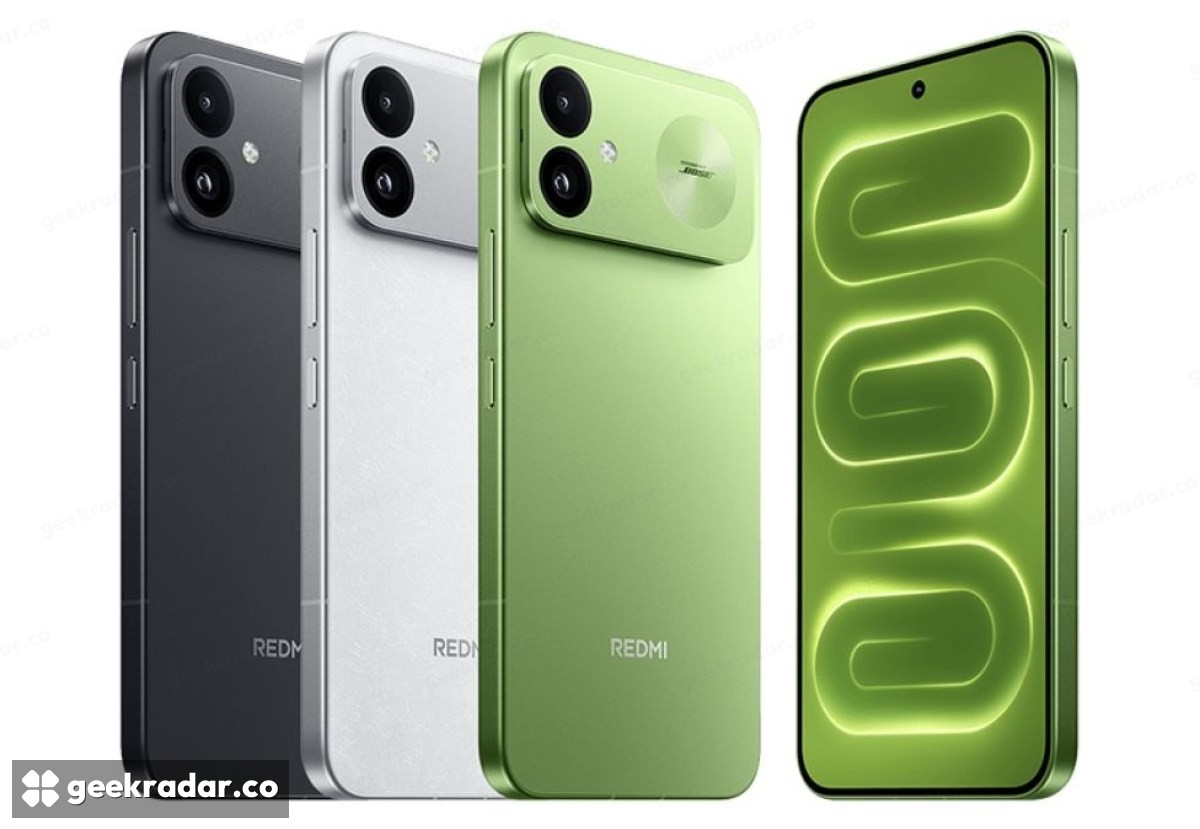
Redmi K100 puts a 10,000 mAh battery behind a familiar flagship chip
The Chinese launch pairs an older high-end processor with a large battery and 165 Hz display. Those numbers answer different questions.
Redmi K100’s Chinese launch puts a 10,000 mAh battery beside a Snapdragon 8 Elite and a high-refresh OLED display. It is an unusually clear statement of priorities: keep a large-screen performance phone running longer, rather than reserve a very large battery for a basic or heavily ruggedised device.
Xiaomi’s Chinese store lists the K100 family’s entry price at CNY 3,499. GSMArena’s October 28 launch report identifies that as the 12 GB/256 GB version and details 100 W wired charging. These are Chinese-market terms, not a global price or confirmation that the same configuration will launch elsewhere.
Capacity and speed solve different problems
A larger battery increases the energy available between charges. Faster charging reduces some of the time spent replenishing it. Neither specification establishes the phone’s runtime by itself, and the peak charging figure does not describe power delivered continuously from empty to full.
That distinction becomes especially relevant with a 6.83-inch OLED running at up to 165 Hz. High refresh can make supported motion smoother, but applications need to produce enough frames to use it, and workload affects consumption. A large battery provides more room for those choices; it does not erase their energy cost.
The Snapdragon 8 Elite identifies the performance platform, while sustained gaming depends on cooling, software and the particular title. A launch specification cannot substitute for a measured session showing frame consistency and temperature. The practical question is how much useful play the complete phone delivers, rather than whether two impressive numbers appear beside each other.
The camera arrangement shows where priorities differ
The reported rear system combines a 50-megapixel main camera with optical stabilisation and an 8-megapixel ultrawide. That is a different allocation from a camera flagship built around several large sensors and a dedicated telephoto lens. It suggests a product designed around a particular balance of performance, endurance and cost, rather than uniform ambition in every component.
For a buyer, that can be a sensible compromise. Someone who mostly photographs with the main camera may value the battery more than another focal length. Someone who frequently shoots distant subjects should not assume that the processor or battery compensates for the absence of a dedicated telephoto camera.
A Chinese launch is not an import recommendation
The announcement also places the phone on Android 17-based HyperOS 4. Software services, network support and warranty conditions still need to be checked for the actual market in which a device will be used. Converting the Chinese price into another currency does not include those differences or establish a local retail offer.
K100’s most interesting contribution is the combination it proposes: flagship-class processing with a battery capacity that changes expectations for an ordinary performance phone. Whether that combination becomes a good purchase elsewhere depends on a regional product and real endurance results, not the size of the battery printed on the launch card.