Ford Fathom moves home-power conversion into the truck
Available bidirectional AC power could simplify home hardware. Backup protection, installation and utility approval remain separate requirements.
Ford wants its forthcoming Fathom electric truck to make home power support cheaper by putting more of the conversion work in the vehicle. The company says the 2027 model will offer bidirectional AC power without a separate wall-mounted inverter, with output projected to exceed 10 kW. That could simplify the equipment needed around the home, but it does not make the connection free or automatic.
The October 27 announcement distinguishes everyday energy management from backup during a power cut. The two uses need different equipment and approvals. They should not be collapsed into a single claim that buying the truck alone turns a house into a self-sufficient power system.
Moving the conversion does not remove the installation
An EV battery stores direct-current energy, while a home’s ordinary electrical circuits use alternating current. Conversion has to happen somewhere. Ford’s approach moves that capability into the vehicle, reducing the need for a separate inverter in the home installation.
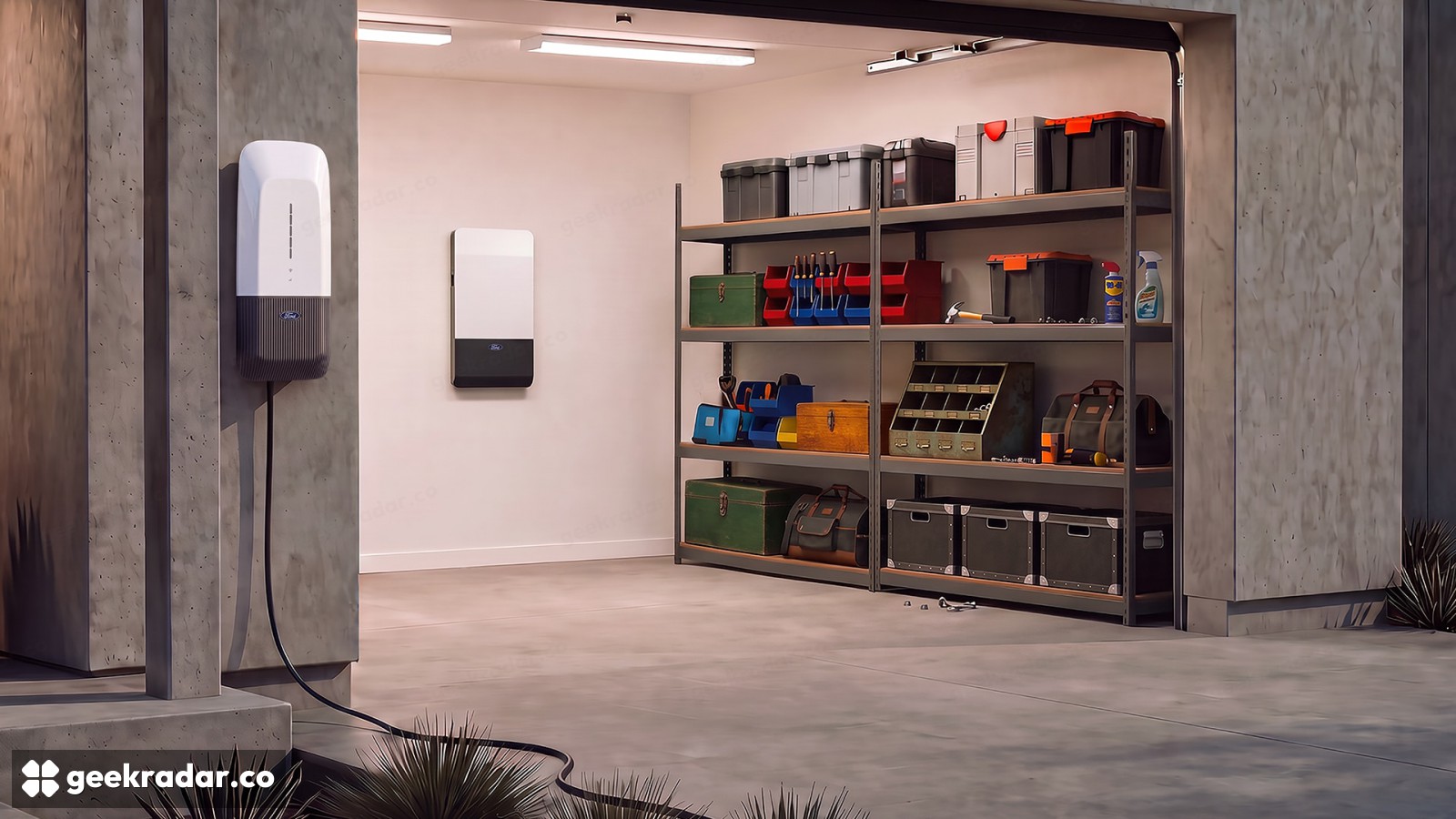
The company still specifies its Home Power Station. Backup operation also requires a Home Backup Power Panel. The distinction is important because feeding a connected home during normal operation and safely supplying it when the grid is down are different electrical tasks. This is an installed system, not an invitation to connect a vehicle to a household socket in reverse.
Ford says the new station is expected to cost around half as much as its first-generation bidirectional charger, while the backup hardware is expected to cost at least 60% less than the earlier arrangement. Those are manufacturer projections for hardware, not a complete installed quote for every property.
Peak power is not backup duration
The projected output above 10 kW describes the rate at which energy can be supplied. It does not say how many hours the house can run. Duration depends on usable battery energy, the charge reserved for driving, conversion losses and the loads left switched on.
The everyday savings case also depends on the gap between electricity prices at different times. Moving energy is not automatically profitable once equipment, installation and service costs are included. Ford requires an active trial or plan for Home Power Management and notes utility approval requirements.
The vehicle price is only one part of the decision
Ford’s earlier Fathom announcement gives a US starting MSRP of $28,350 for the standard-range base model, excluding taxes and other fees, with preorders planned for early 2027. That is a vehicle price, not the price of a home backup installation or a confirmed offer in every market.
The design could make the battery already parked outside do more useful work. The meaningful comparison, however, is the full cost and capability of the installed system, including the energy kept for the next journey. A truck that supports the house still has to be ready to leave it.