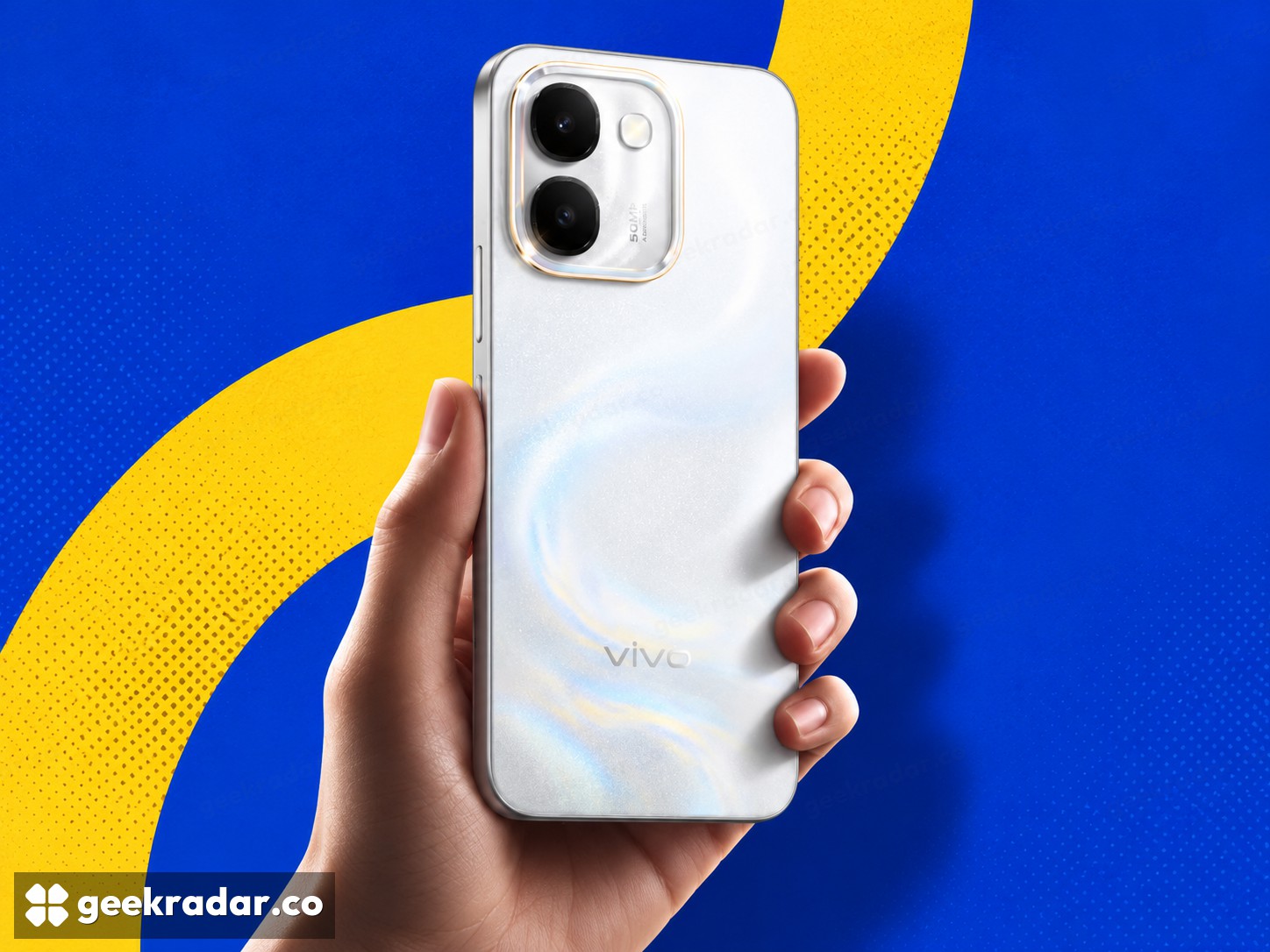
vivo Y600 puts a 10,000mAh battery in a phone. The record needs context
China gets the new handset first. Battery chemistry, capacity and a controlled endurance record explain more than the headline number alone.
Vivo's Y600 puts a 10,000mAh battery into a mainstream phone, moving a capacity more often associated with a separate power bank inside the device itself. Announced in China on October 26, with sales starting October 30, it is an endurance-led alternative to phones that spend their budget on faster processors or more elaborate cameras. The interesting question is how much of that enormous battery remains useful away from a controlled test.
The Chinese launch details put the starting price at CNY1,999 before applicable local subsidies. That is a Chinese retail price, not an international price announcement. Vivo's product documentation makes the battery's electrical specification unusually helpful: 10,000mAh typical capacity at 3.73V, equivalent to 37.3Wh. The rated minimum is 9,800mAh.
A bigger reserve, with conditions attached
Watt-hours express the stored energy; milliamp-hours alone can be misleading when comparing batteries operating at different voltages. Here the practical promise is straightforward: a larger reserve can absorb more navigation, poor reception and long periods away from a socket before charging becomes urgent. It does not make those workloads equally demanding.
Vivo cites a Guinness-record endurance demonstration lasting 32 hours and 37 minutes. The company's footnotes identify a continuous phone test broadcast conducted in Chiang Mai on August 5–6. That is evidence of a particular demonstration, not a prediction that every owner will get that duration while gaming or navigating. Its other endurance figures use specified brightness, network and audio conditions. A bright outdoor screen and a struggling cellular connection can change the result substantially.
Durability needs its small print
The Y600 combines the battery pitch with IP68 and IP69 protection claims. These address defined laboratory conditions rather than an unrestricted invitation to swim with it. Vivo explicitly warns against beach or swimming-pool use and against charging the phone while wet. Its documentation also says liquid damage is outside the ordinary warranty, while launch-period service benefits have their own eligibility and redemption terms.
That distinction matters more than the splash imagery. A phone intended for long days outdoors must still cope with a damaged seal, a worn charging port and the difference between fresh water and other liquids. Durability specifications reduce particular risks; they do not erase maintenance or repair costs.
Endurance is the priority, not a flagship claim
The Dimensity 7300e processor and 6.83-inch, 120Hz display place the design emphasis on a large everyday handset. Vivo's memory-extension feature borrows storage for memory management; it does not turn the device's physical RAM into the larger combined number shown in marketing.
The battery is the more consequential choice. Many people do not need their next phone to finish a benchmark faster. They need it to keep maps, messages and calls available at the end of a long journey. The Y600 makes that tradeoff unusually visible. Whether it is the right one will depend on independent endurance results and the comfort of carrying the phone, not just the largest number on its specification sheet.