The iPhone Duo teardown shows why a replaceable screen layer can still be a difficult repair
iFixit’s disassembly separates accessible components from procedures that need precise alignment. Repairability is more than whether a part comes off.
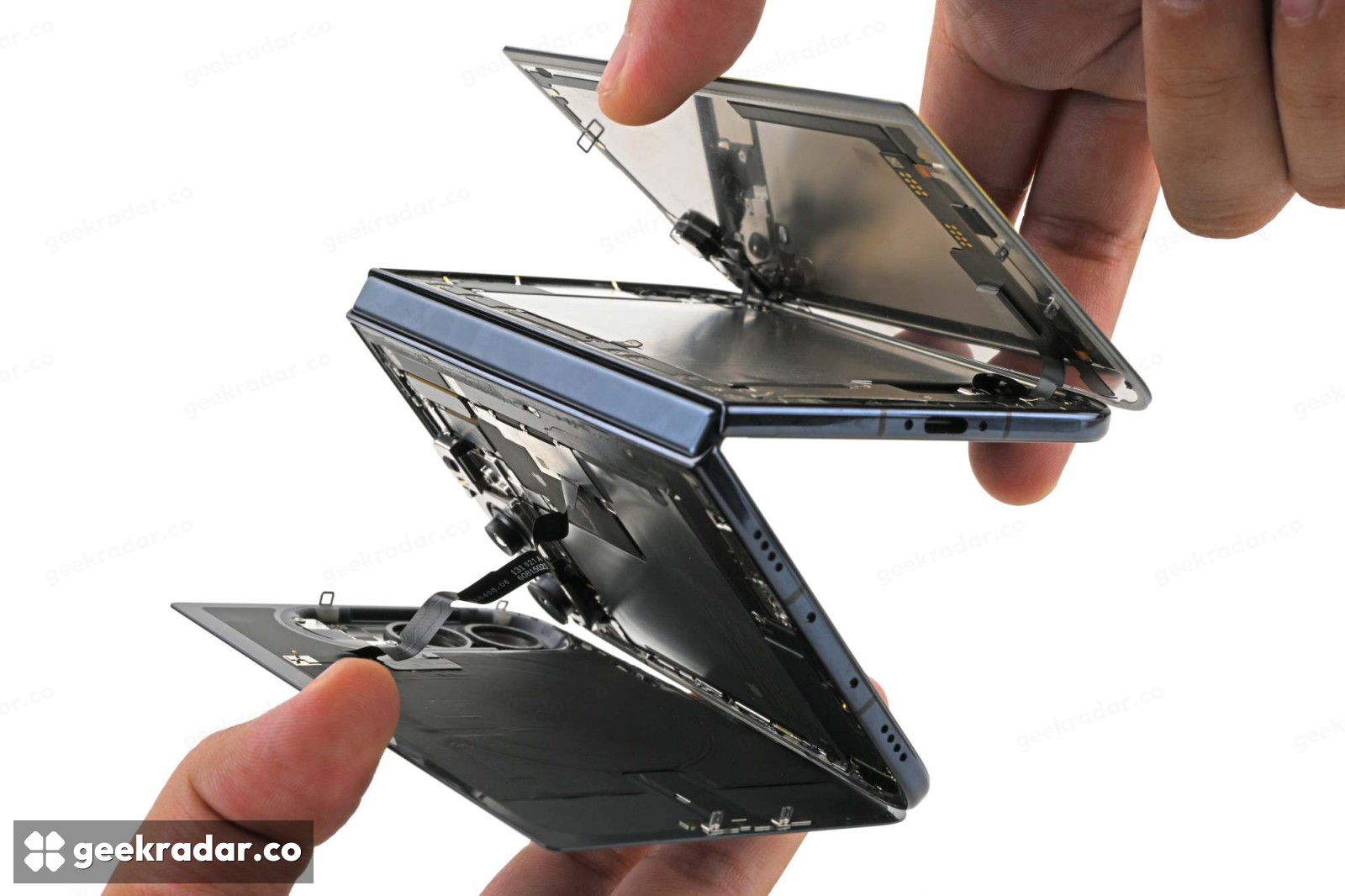
iFixit's iPhone Duo teardown gives Apple's folding phone a qualified distinction: the repair specialist considers it the most repairable foldable it has dismantled, while still describing the inner screen as a difficult repair. Those findings can coexist. Making batteries and exterior components easier to reach does not remove the mechanical demands of a display that bends through the middle.
The teardown is valuable because it follows specific parts rather than treating repairability as a single impression. Electrically releasable battery adhesive, an outer display that comes away intact and a less destructive route through the internal trim improve individual jobs. The hinge and flexible screen remain a different proposition.
Better access changes the cost of a mistake
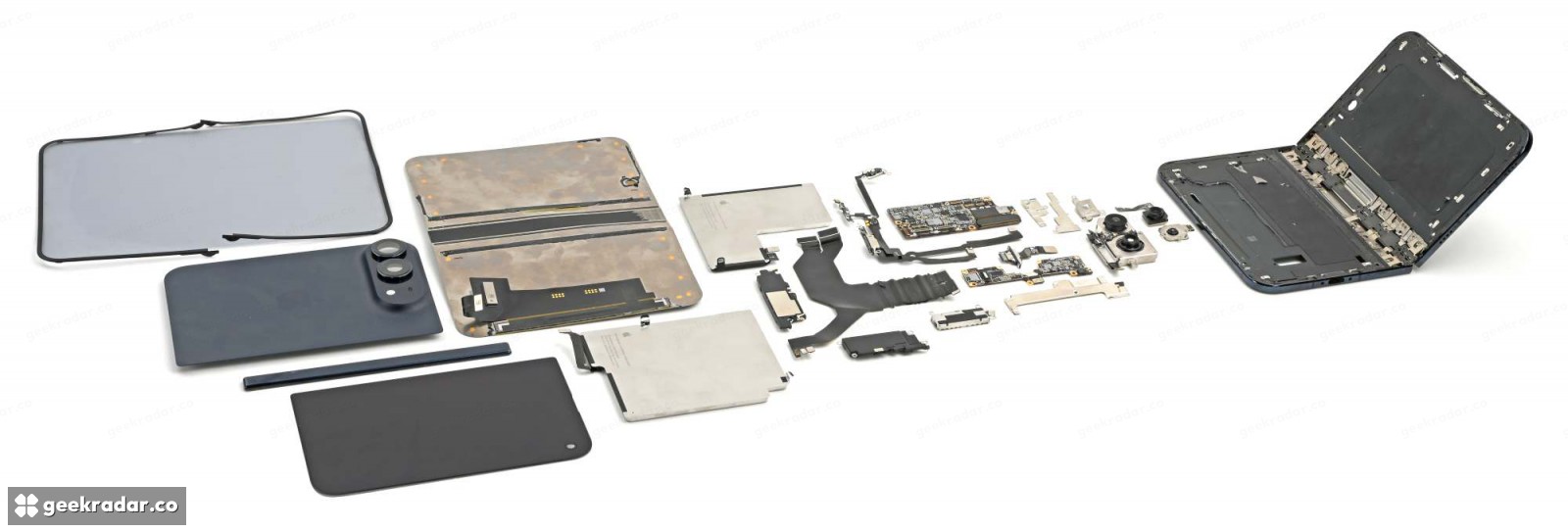
The Duo's two batteries use adhesive that can release when an electrical potential is applied through the intended service connection. That reduces the need to bend or pry a cell free. Metal battery enclosures add protection, although opening a phone and working around lithium-ion cells remains a repair procedure, not casual maintenance.
Access matters beyond the battery. If replacing one component first requires sacrificing another, the repair becomes more expensive and less predictable. iFixit found that the inner-screen trim could be removed intact and that the outer display avoided the breakage problems it had encountered in other devices. These are unglamorous improvements with a direct effect on the sequence of work.
They do not make every part inexpensive or interchangeable. A flexible OLED assembly, its supporting layers and the adhesive needed to reinstall it still demand care. The useful conclusion is that some routes through the phone are better designed, rather than that the entire device has become easy to fix.
A less visible crease is still a moving structure
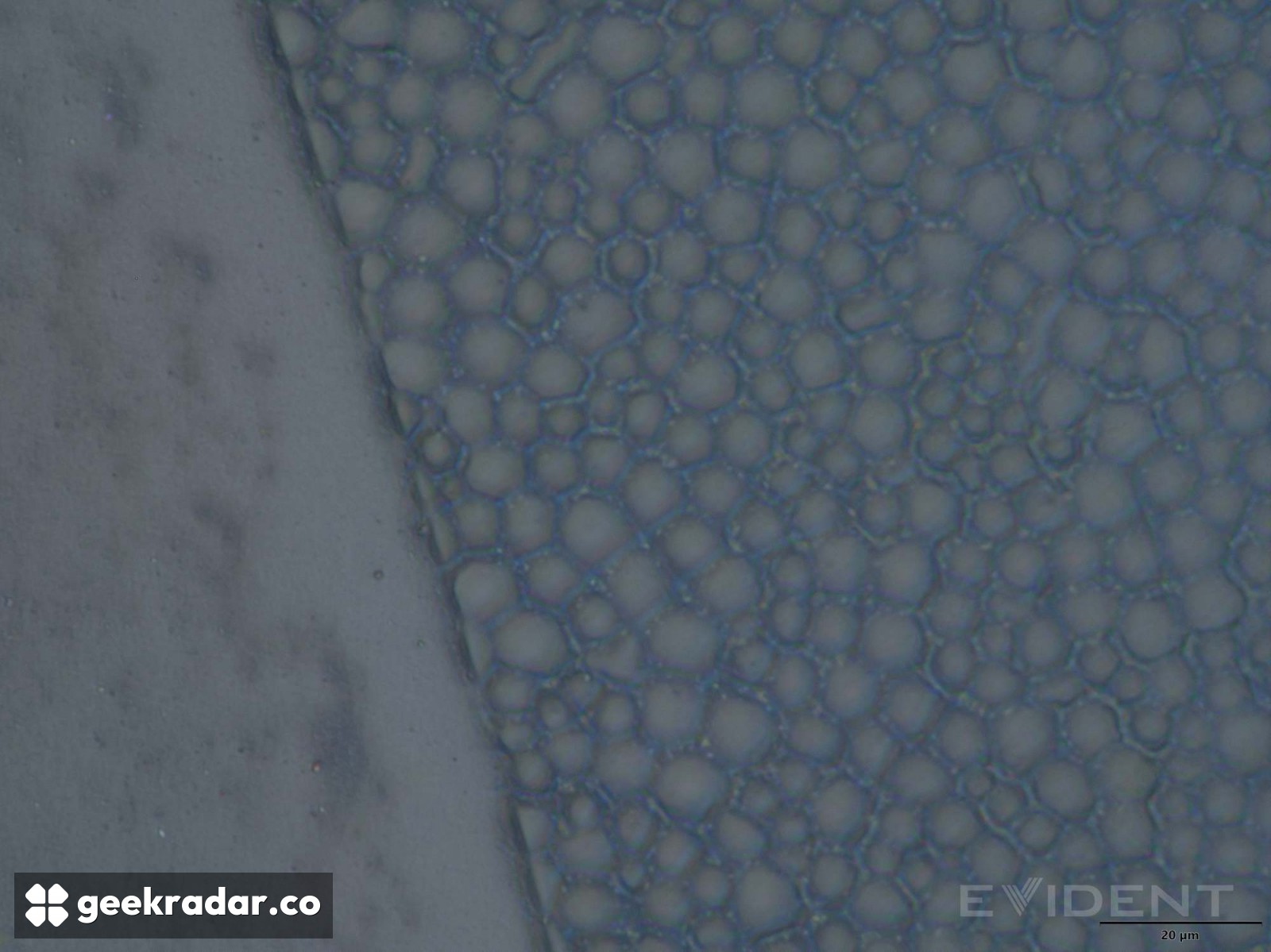
Under magnification, iFixit found a textured surface that scatters reflections. Combined with the display support and hinge geometry, that helps make the fold less conspicuous. The optical effect is different from eliminating the bend itself: the layers still move and experience stress as the phone opens and closes.
The teardown also identifies a replaceable cover layer above the OLED. Apple's linked service procedure uses specialist fixtures and alignment steps, so this should not be mistaken for permission to peel off a conventional screen protector. The practical benefit is narrower and more useful: damage to one serviceable layer need not always require replacing the entire display beneath it.
What the hinge evidence can actually tell us
iFixit examined reports of damaged screens and used scans and modelling to explore possible stress points. Those are hypotheses about a mechanism, not a confirmed diagnosis for every reported failure. The report does not supply the population data needed to calculate a failure rate. Turning a handful of accounts into a claim that all Duo hinges are defective would go beyond the evidence.
Its fluorescent-powder experiment also has a defined scope. The team worked the phone open and closed in powder and then traced ingress; some reached moving hinge parts, which became noisy. iFixit explicitly says this is not an IP certification test. The result illustrates a maintenance vulnerability, but cannot be converted into a standardized dust-resistance rating or a prediction about ordinary use.
GSMArena's coverage captures the tension between accessible components and a complicated hinge. For an owner, the distinction is practical. Easier battery replacement can help keep a phone useful for longer; it cannot make the folding screen behave like a rigid sheet of glass. The Duo's progress is worth recognizing precisely where it occurs, without asking a repairability score to answer a durability question it was never designed to measure.