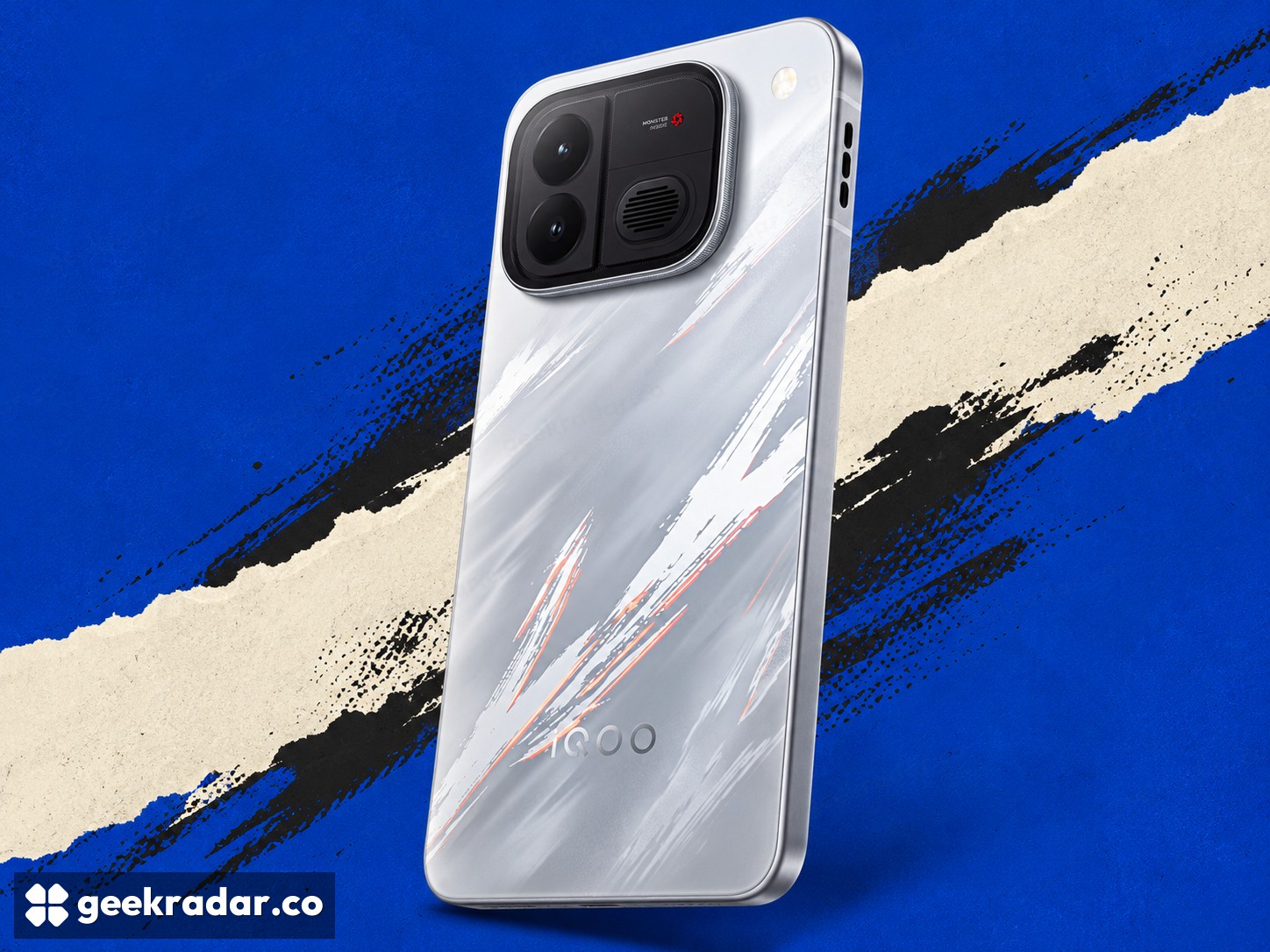
iQOO Neo12 teases 185Hz ahead of its October 28 reveal. Games decide what that means
The Chinese launch preview confirms display ambitions and finishes. Native frame rates and interpolation remain different promises.
iQOO's Neo12 launch is set for October 28 at 19:00 in China, and its gaming-display pitch deserves a careful reading before the specification sheet becomes a shopping verdict. The company is promoting a 2K, 185Hz screen and high-frame-rate gaming support. Those figures describe several different stages of the image pipeline, not a blanket promise that every game runs natively at 185fps.
An iQOO promotional post distinguishes native high-frame-rate support in selected games from simultaneous super-resolution and frame enhancement. The distinction is more informative than simply repeating the highest number. It tells buyers to ask which game, rendering mode and settings produce the advertised experience.
Refresh, rendering and interpolation are separate
A display refresh rate sets how often the panel can present a new image. Native rendering describes frames calculated by the game. Frame-generation or interpolation techniques can create additional displayed frames between rendered ones, while super-resolution reconstructs an image from a lower-resolution input.
These techniques can improve perceived smoothness or image detail, but they do not make the underlying workload and responsiveness identical to native rendering at the same headline figure. A fast-looking camera pan and a quickly processed input are related experiences, not the same measurement.
A launch preview should not become a rumor checklist
The official appearance reveal reported by IT Home shows three finishes, including a design developed with the China Academy of Art. The article also combines announced and reported specifications. Those categories should remain separate: an appearance reveal does not independently confirm every chipset, cooling or battery claim circulating alongside it.
For now, the useful confirmed focus is the launch timing and the display-related claims made in iQOO's own promotion. Pricing, final regional configurations and the full conditions behind gaming demonstrations should be judged from the completed launch material. A phone can be technically interesting without every prelaunch detail being settled.
The missing comparison is sustained use
Even a supported high-frame-rate mode has to operate within the phone's power and thermal limits. A brief demonstration cannot establish an entire session's behavior. Resolution, graphics settings, room temperature and the duration of a test all affect whether a peak figure remains useful after the first few minutes.
The Neo12's presentation will be more informative if it makes those conditions easy to compare. The practical question is not whether a large refresh-rate number can appear on a poster. It is whether the games people actually play remain clear, responsive and stable in the modes they would choose to use.