Pixel 9 gets another free year of Satellite SOS. Coverage still has conditions
Google confirmed the extension, while its support guidance distinguishes country availability, activation and the conditions needed for a connection.
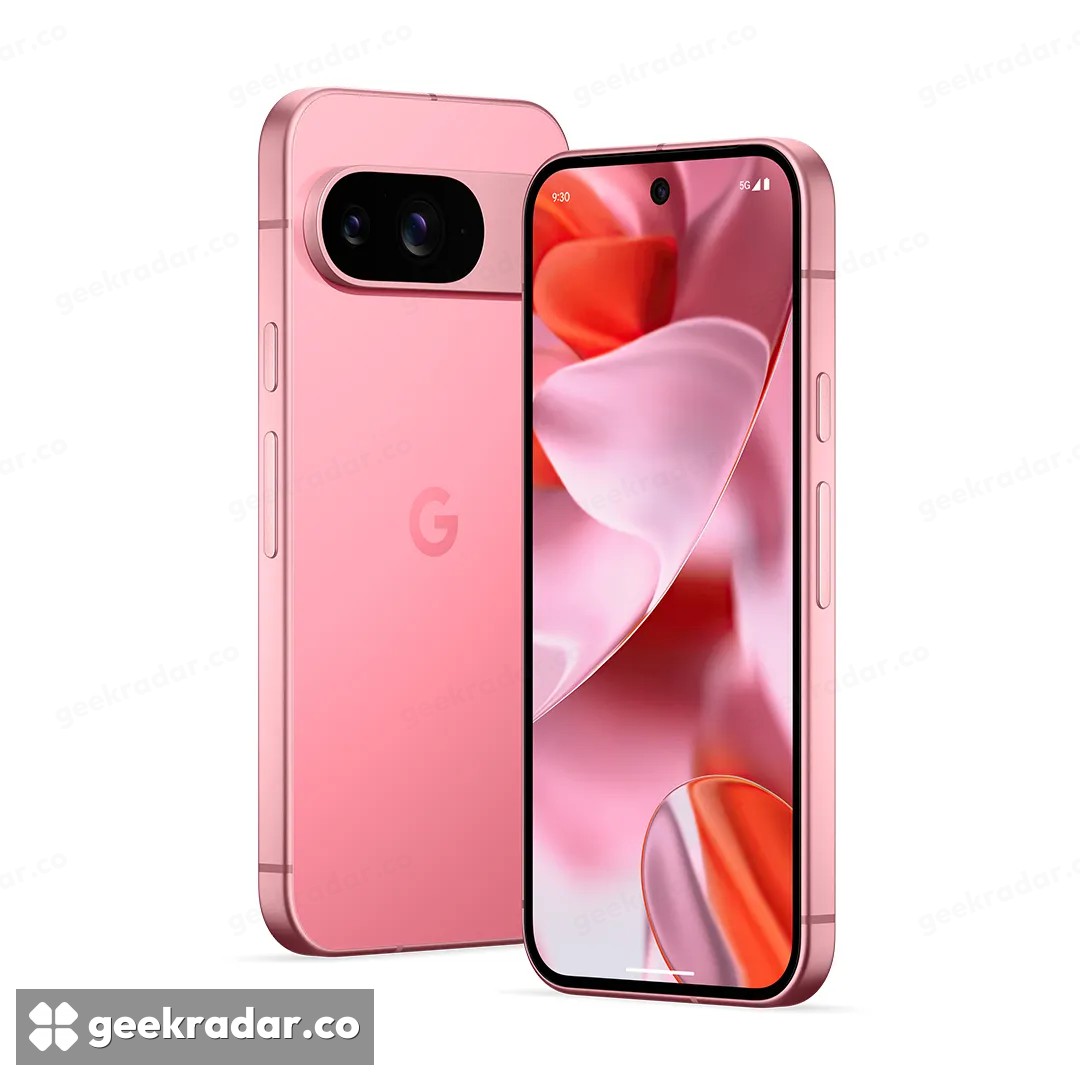
Google is extending free Satellite SOS access for Pixel 9 owners by another year. A company spokesperson confirmed the extension to PCMag, while declining to provide further details. The immediate consequence is continued access without an added charge; the statement does not settle the service’s long-term price.
The original offer described two free years after activation. That wording matters: a service period tied to activation should not be casually converted into one universal expiry date for every owner. The extra year is useful, but it is not an announcement that Satellite SOS will remain free forever.
Image: Google.
Free access and usable coverage are separate questions
Google’s current support page includes Italy among the supported countries. It also makes clear that a country listing does not guarantee a connection at every location. Network conditions, terrain, buildings and the available view of the sky can affect the link.
The same page lists support on Pixel devices from the Pixel 9 generation onward, excluding Pixel 9a. The extension discussed here concerns Pixel 9 owners; it should not be interpreted as a new hardware capability for an unsupported model.
Satellite SOS is intended for an emergency when ordinary mobile and Wi-Fi connections are unavailable. It is not a general replacement for a mobile-data plan, nor a promise that arbitrary apps can connect through a satellite. Keeping that scope clear prevents a safety feature from being confused with everyday satellite broadband.
Use the demonstration before the emergency
Google provides a demonstration under the phone’s Safety & emergency settings. That is the appropriate way to become familiar with the positioning instructions without contacting emergency responders. The company notes that the demo temporarily disables the mobile network and restores it on exit.
Actual use requires following the on-screen guidance and keeping a clear view of the sky. Google also specifies that Messages must be the default messaging app for the service. These are practical dependencies that a free-access extension does not remove.
For an Italian reader, the relevant news is therefore more specific than “satellites are free for another year.” Italy appears in Google’s current availability list, but the owner still needs the right Pixel, completed software and service activation, and suitable conditions. Check the feature’s status before a trip rather than discovering its setup requirements when connectivity is already absent.
The extension also illustrates a wider difference between owning hardware and having an associated service. A phone can retain the physical ability to communicate while the commercial terms of that communication remain undecided. Google has chosen to postpone an extra charge for this group of users; it has not published the eventual business model.
That uncertainty need not obscure the immediate benefit. Pixel 9 owners have another year in which cost is not the new barrier described by the original offer. The preparation that matters most remains free too: verify the feature, try the demo and learn what the phone needs before asking it for help.