Capcom’s breach update separates a global data exposure from 19 shopping accounts
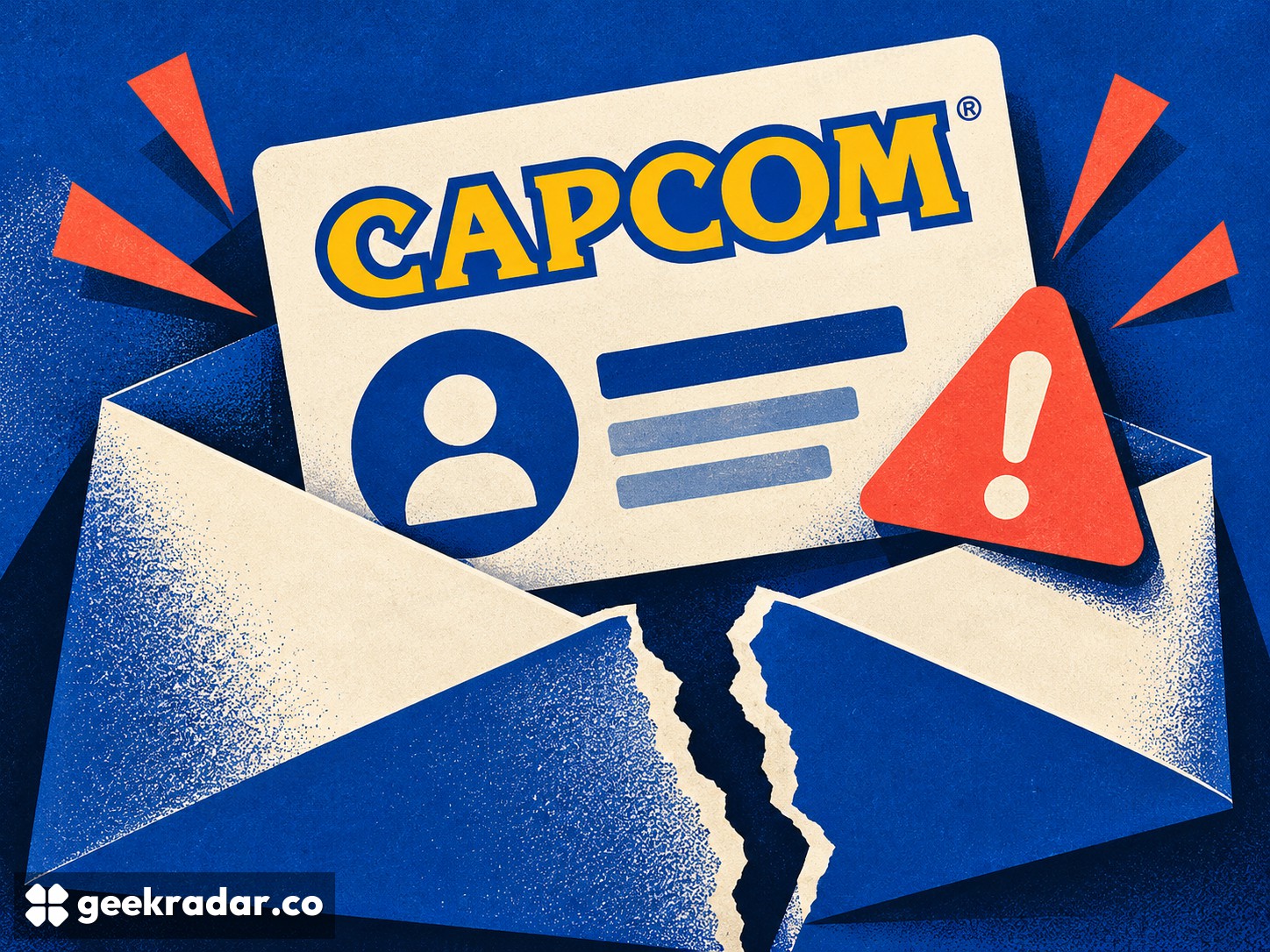
The latest notice adds Japanese purchase records to the incident. The smaller figure does not replace the 11.77 million affected CAPCOM ID accounts.
Capcom’s account breach now has two very different scales: a worldwide exposure of account information and a much smaller group whose Japanese shopping records were accessed. The company’s October 23 update says an intruder reached the e-Capcom account pages of 19 customers after unauthorized password changes. Addresses and purchase histories were among the information exposed. Credit-card information was not included.
That update does not replace the much larger number in the original October 22 notice: 11,774,247 CAPCOM ID accounts worldwide had email addresses and associated account metadata affected. The two notices describe different layers of the same incident. Reading only the smaller number would substantially understate its reach.
Three numbers, three different risks
The initial disclosure identified 196 accounts whose passwords had been changed without authorization. The subsequent investigation found access to Japanese e-Capcom shopping pages for 19 of those accounts. Capcom says it found no further information compromised through the password changes on the other accounts in that group.
The worldwide exposure included account-creation and login metadata. A further 43 records in the original disclosure included additional profile details. Capcom has not said that all affected customers lost all these categories of information. Nor does an unauthorized password change, by itself, establish that an attacker obtained the customer’s previous password.
Those distinctions matter because a breach notification is a description of exposure, not a single score. An email address can support a convincing impersonation attempt. An address book and purchasing history can make that attempt much more personal. Neither is harmless simply because a payment-card number was absent.
A message can look convincing without being legitimate
The practical danger is a follow-up communication that appears to know enough about the recipient to be trusted. A supposed account-recovery message may mention a familiar service, then direct the customer to a different login page. The sensible response is to open the service through a known bookmark or independently entered address, rather than follow a recovery link in an unexpected message.
Capcom specifically warns about fraudulent emails, texts and calls impersonating it or related parties. Its notice links the official support form for Europe and other regions. Italian users should use the European support route and their own notification to establish what applies to their account; the Japanese shopping exposure should not be generalized to everyone outside Japan.
The company says its investigation into the scope is complete and monitoring will continue. That is a statement about this investigation, not a guarantee that stolen information immediately becomes unusable. We have seen the same distinction between containment and downstream consequences in our coverage of the Railway breach.
For affected players, the most useful detail is therefore the category of information in their individual notice. It tells them which kinds of impersonation may be credible. The headline number describes the scale of the incident; the personal notification describes the problem they actually have to manage.