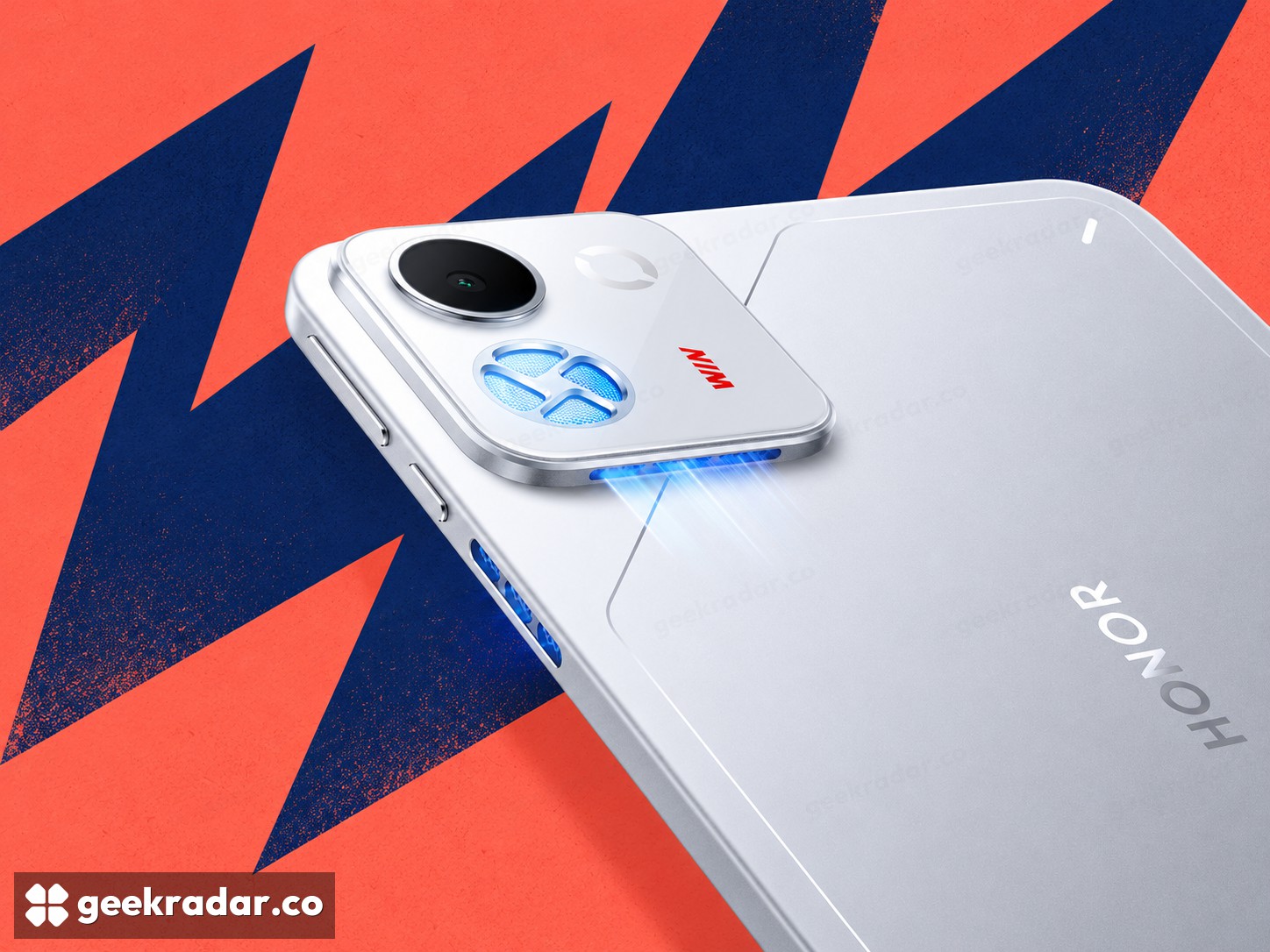
Honor’s WIN tablet makes 240 Hz a question about the game, not just the screen
An 8.4-inch OLED and active cooling target sustained gaming. Honor’s own footnotes separate native high frame rates from interpolation.
Honor's WIN tablet combines an 8.4-inch OLED screen with a 240 Hz refresh rate and an internal cooling fan. It is a compact gaming device built around keeping a fast display fed during a long session. The important qualification is in Honor's own game-support notes: some titles can supply native high frame rates, while others use interpolation to reach the advertised output.
That distinction changes what 240 Hz means. A panel can refresh 240 times a second without the game engine producing 240 new, independently simulated frames. Both approaches may make motion look smoother; they are not interchangeable evidence of the processor's rendering performance or input response.
A fast screen needs a compatible game
Honor lists native 240-frame support for selected titles and separately identifies interpolation for games including Honor of Kings and Peace Elite. Support is therefore a property of a particular game and mode, rather than a universal setting that turns the entire Android library into 240 fps gameplay.
The practical consequence is that a buyer should begin with the games they play. An impressive panel specification has limited value if a favorite title remains capped well below it. Conversely, a supported rhythm or competitive game may benefit more from the compact high-refresh screen than a slower game with richer graphics.
This does not make interpolation useless. It makes the label important. Comparing an interpolated output figure with another tablet's native frame rate would give the appearance of a benchmark without measuring the same thing.
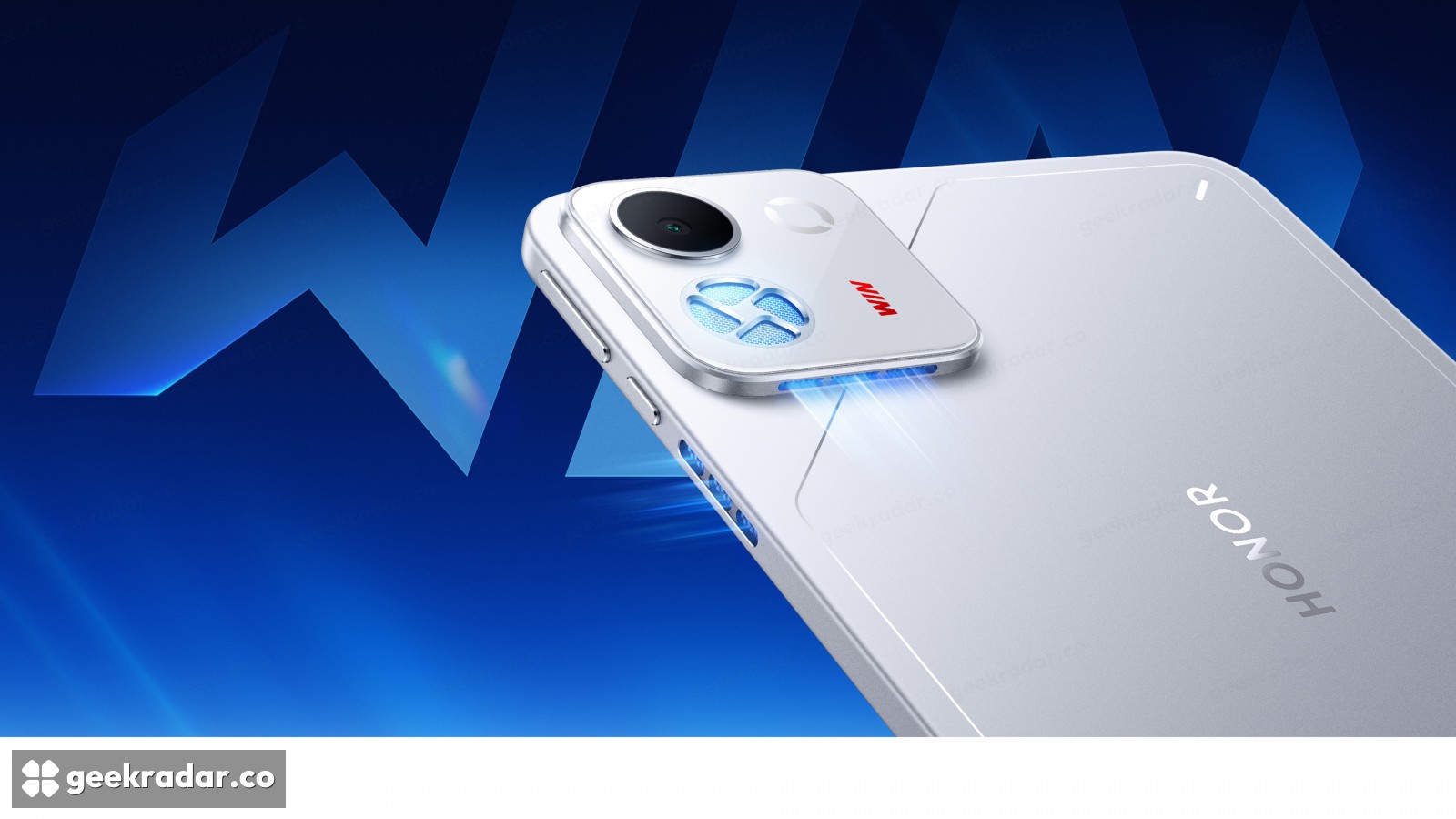
Cooling is part of the product's shape
The specification sheet lists Snapdragon 8 Elite Gen 5, a 10,000 mAh battery and a weight of about 315 grams in a body approximately 6.1 mm thick. Honor adds a fan and vapor-chamber cooling rather than relying entirely on passive heat spreading.
Active cooling has an obvious purpose in this format: moving heat away from a processor that is being asked to work continuously. A short burst and a sustained game session are different thermal problems. The fan creates another variable, too, because noise, airflow and power consumption become part of the handheld experience.
Honor's quoted temperature improvement is a manufacturer comparison under its own conditions, not a measured advantage over every competing tablet. Nor should the screen's peak brightness claim be treated as its full-screen sustained brightness. Those qualifications matter most in the very use case the product targets: extended play, with a bright screen and the processor under load.
China first, with Italy still unconfirmed
The verified launch material is for China. It does not establish an Italian release, European software configuration or local warranty arrangement. An imported listing would not resolve those questions. The device is still relevant beyond its first market because it extends the gaming-first design choices seen in Honor's WIN phones into a larger handheld screen.
For the international Gear desk, the interesting comparison is not simply tablet versus phone. It is whether a small tablet can devote more of its physical design to sustained play while remaining comfortable to hold. The WIN's fan, battery and panel make that a coherent proposition; they do not establish the answer before independent use.
The strongest reason to consider this tablet would be a game you actually play, supported at the frame rate you want, in a version you can buy and maintain locally. The number on the display box comes after those decisions.