Apple opens app subscriptions to bulk buying by businesses and schools
Organizations can buy and assign multiple seats through managed Apple channels. Consumer group purchases are a separate launch planned for winter.
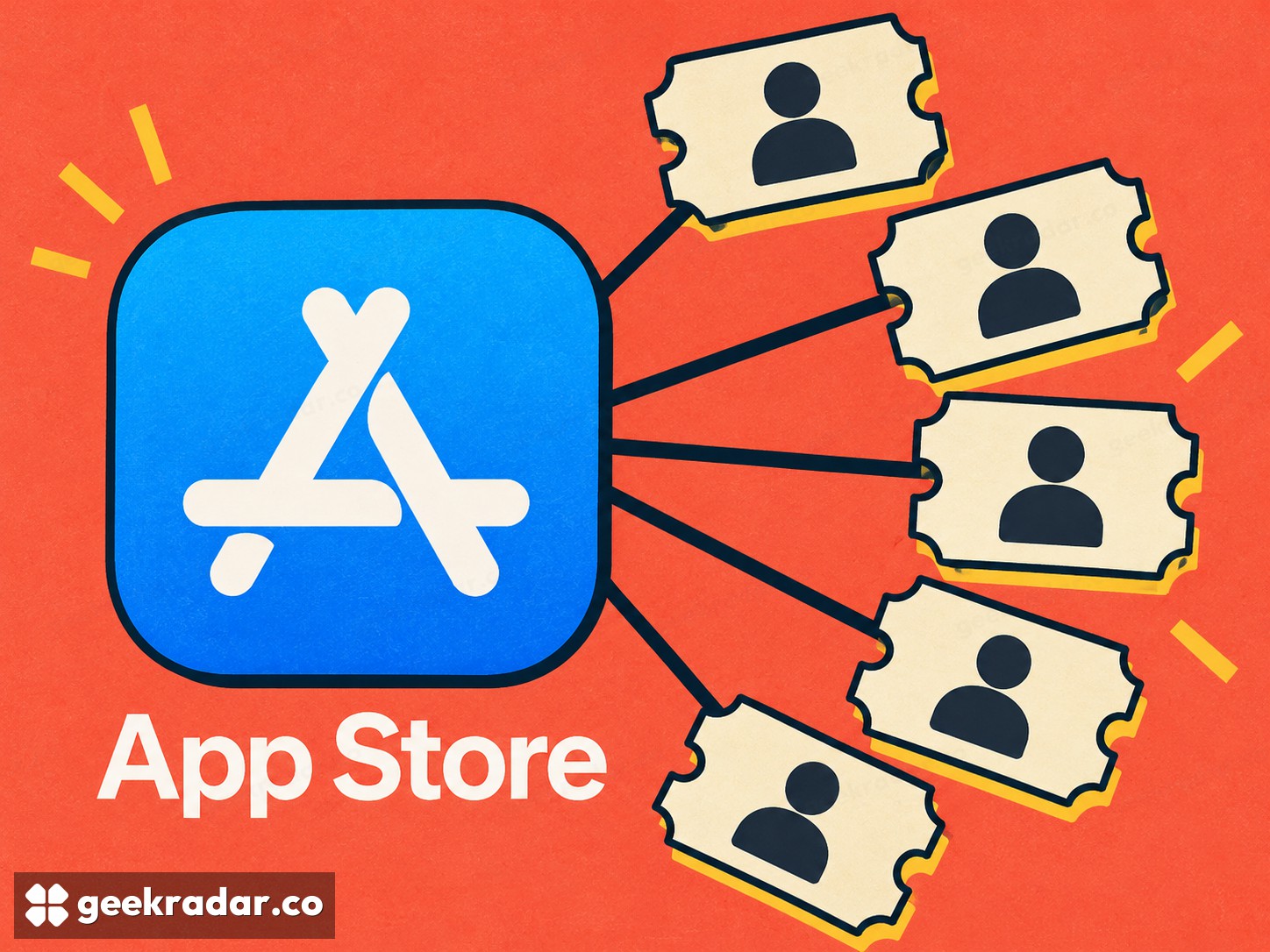
A school or business can now buy several seats for a participating app subscription in one transaction and assign them through its existing management tools. Apple enabled the organizational version of multiseat purchasing on October 22, extending auto-renewable subscriptions into Apple Business and Apple School Manager.
The developer announcement separates that launch from a feature consumers might easily confuse with it: buying a group subscription in the App Store and inviting other people. Sandbox testing for that second route is due to begin October 28, with customer availability planned for winter. It is not already live simply because the organizational feature is.
The unit being bought is access for a person
The practical change is administrative. An organization can purchase the number of seats it needs, assign access and adjust the quantity as its requirements change. Instead of treating every employee or student as a separate purchasing process, it can manage a shared subscription purchase through its established device-management arrangements.
That does not mean every app subscription becomes an unlimited site license. The number of seats still matters, and the developer controls which purchasing channels offer the subscription. A school should therefore check the specific app and subscription rather than assume a platform announcement changes all of its existing software contracts.
For European and Italian organizations, the announcement is relevant as a distribution capability. It does not establish the price, tax treatment or regional availability of an individual app. Those remain properties of the actual offer shown to the organization.
Developers should inspect the defaults
Apple says multiseat purchasing is enabled by default unless the setting was previously changed. Its purchase-options documentation adds exceptions for existing subscriptions, including cases involving StoreKit support or Family Sharing. That makes the subscription's current configuration more useful than a blanket assumption about the default.
The same documentation distinguishes allowing multiple seats from selecting where a subscription can be sold. Those are related controls with different consequences. Turning off new multiseat purchases can prevent additions while existing subscriptions continue under the documented rules. Removing an organizational sales channel can affect renewal. These are commercial lifecycle decisions, rather than cosmetic settings.
A developer's product also needs a coherent account model. A paid seat, an application account and access to an organization's data are connected concepts, but they are not necessarily the same record. A purchase mechanism makes it easier to sell access; it does not automatically decide what should happen to shared documents when a member leaves.
A simpler purchase should not hide the ownership question
For a small team, fewer separate receipts and assignments can be a real improvement. For an administrator, the useful promise is control over who has access and how many seats are being renewed. For a developer, the opportunity is to serve customers who already buy through managed Apple channels.
The App Store archive covers the platform around those transactions. This change is most valuable when the app's own permissions and offboarding process are equally clear. Buying five seats in one step should make access easier to manage, without leaving five people uncertain about who controls it.