Spotify Memberships reach Italy. Premium and a paid podcast are different purchases
Creators can sell up to three tiers of benefits. The 90 percent revenue share and ad-removal promise both need their fine print.
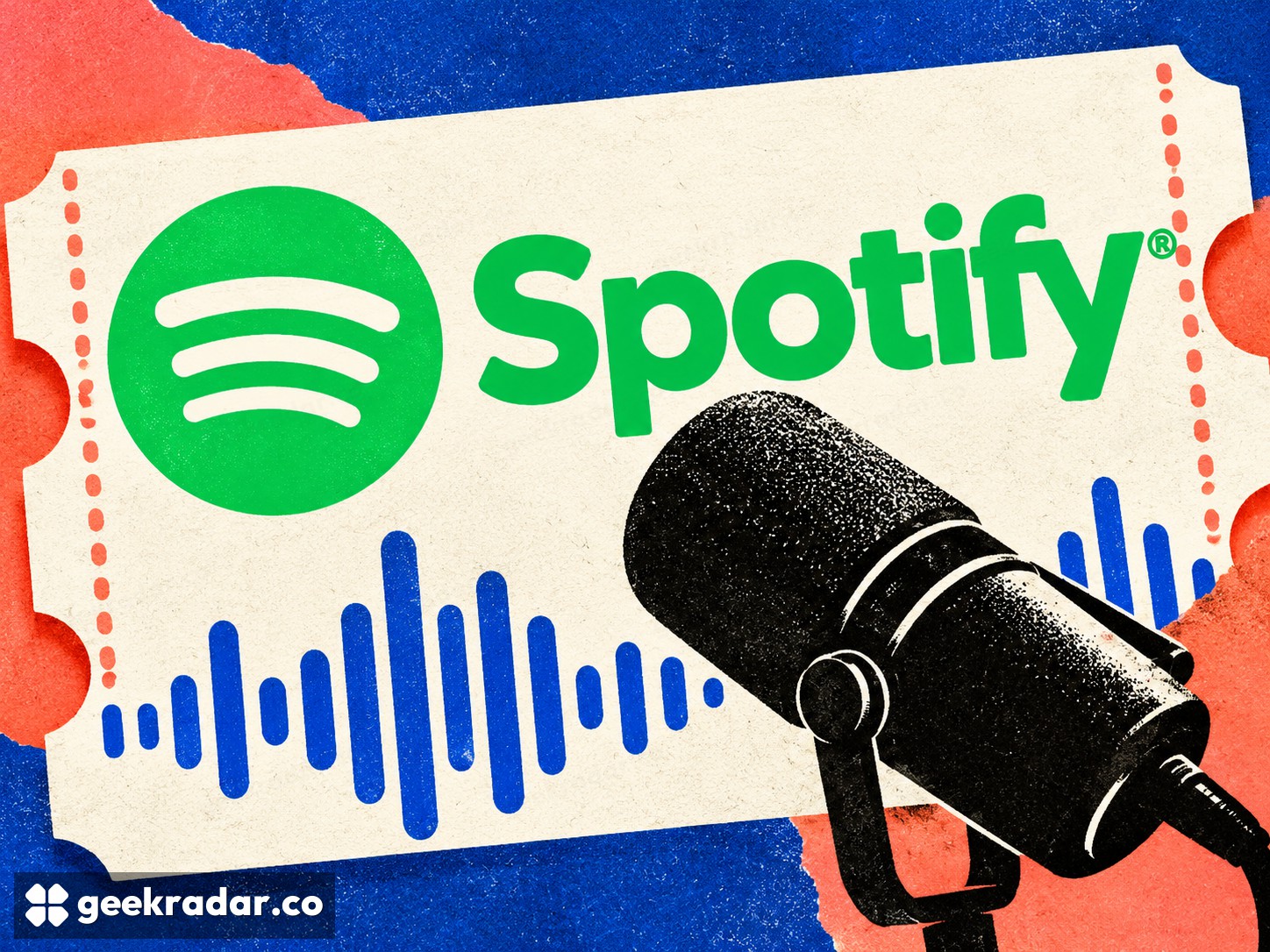
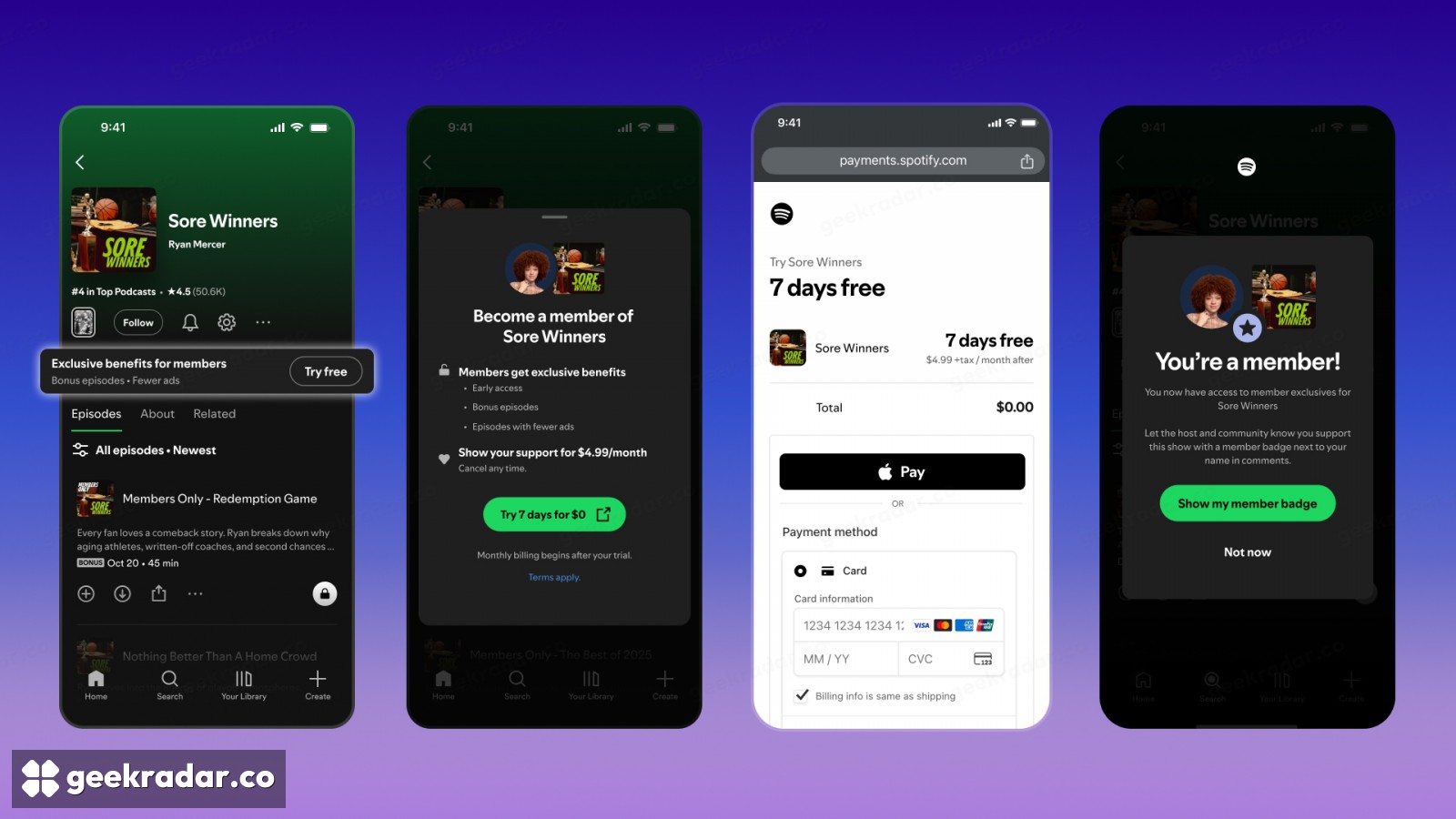
Spotify is putting a paid fan club inside the podcast page. Its new Memberships offering, launched on October 20 in 34 markets including Italy, lets individual shows sell benefits to listeners who already use the app. For listeners, the important distinction is the bill: a show membership is a separate purchase, available to Free and Premium users, rather than another benefit automatically included in Premium. Spotify’s launch announcement describes exclusive episodes, early access and other creator-defined perks.
That makes the show page a more consequential storefront. Following a podcast, subscribing to Spotify and paying its creator now represent different relationships. Before joining, look at what that particular show promises; there is no universal membership package that makes every podcast ad-free or unlocks every archive.
A smaller audience can qualify
The eligibility rules require three published episodes, 100 listeners or viewers and 100 consumption hours during the preceding 30 days. Existing Podcast Subscriptions users retain eligibility as the old offering becomes Memberships. Italy is explicitly on the supported-country list for creators and fans.
Creators can offer up to three tiers. This is a useful distinction from a single subscription switch: an inexpensive tier might support a show, while a higher one could pay for additional work. It also creates a communication problem. A listener should be able to tell what the extra payment buys without comparing a maze of near-identical descriptions.
What the 90 percent promise means
Spotify advertises a 90 percent creator share. Its fee schedule supplies the necessary qualification: the platform takes 10 percent of net earnings, with payment processing, foreign exchange and payout fees included. Applicable taxes are separate, and currency movements can still affect the amount a creator receives.
That is not the same as receiving 90 cents from every dollar visible at checkout. If tax is included in a member’s price, it must be removed before the platform share is calculated. The distinction matters particularly when a show sells across borders: a single advertised price is not a reliable shortcut to its income.
Legacy subscriptions have another wrinkle. Spotify says migrated subscriptions retain their previous 5.5 percent processing fee, plus applicable foreign exchange fees, until the subscriber cancels. Creators should separate those continuing subscriptions from new memberships when estimating revenue rather than applying one percentage to the entire audience.
The valuable part may be the relationship
The creator introduction describes conversion analytics, promotions and exportable contact information from members who choose to share it. That last condition matters. A payment does not automatically give a creator permission to move every listener into an external mailing list.
An optional email relationship can nevertheless make a membership more durable than a badge beside a comment. It gives a show a way to explain a schedule change or deliver a promised benefit outside the listening session. Whether that is useful depends on what the creator actually does with it; more dashboards do not produce another worthwhile episode.
This is a different proposition from the household rules behind Spotify Family’s QR checks. One governs access to a shared platform plan; the other asks fans to fund a particular show. For readers following our Spotify coverage, the practical test is simple: judge the membership by the additional work or access it delivers, not by the fact that the checkout now sits closer to the play button.