Mori’s quiet robot companion comes with a very concrete subscription question
The mushroom-shaped device combines light, sound and movement. Its early-access offer separates the lasting hardware from two years of included content.
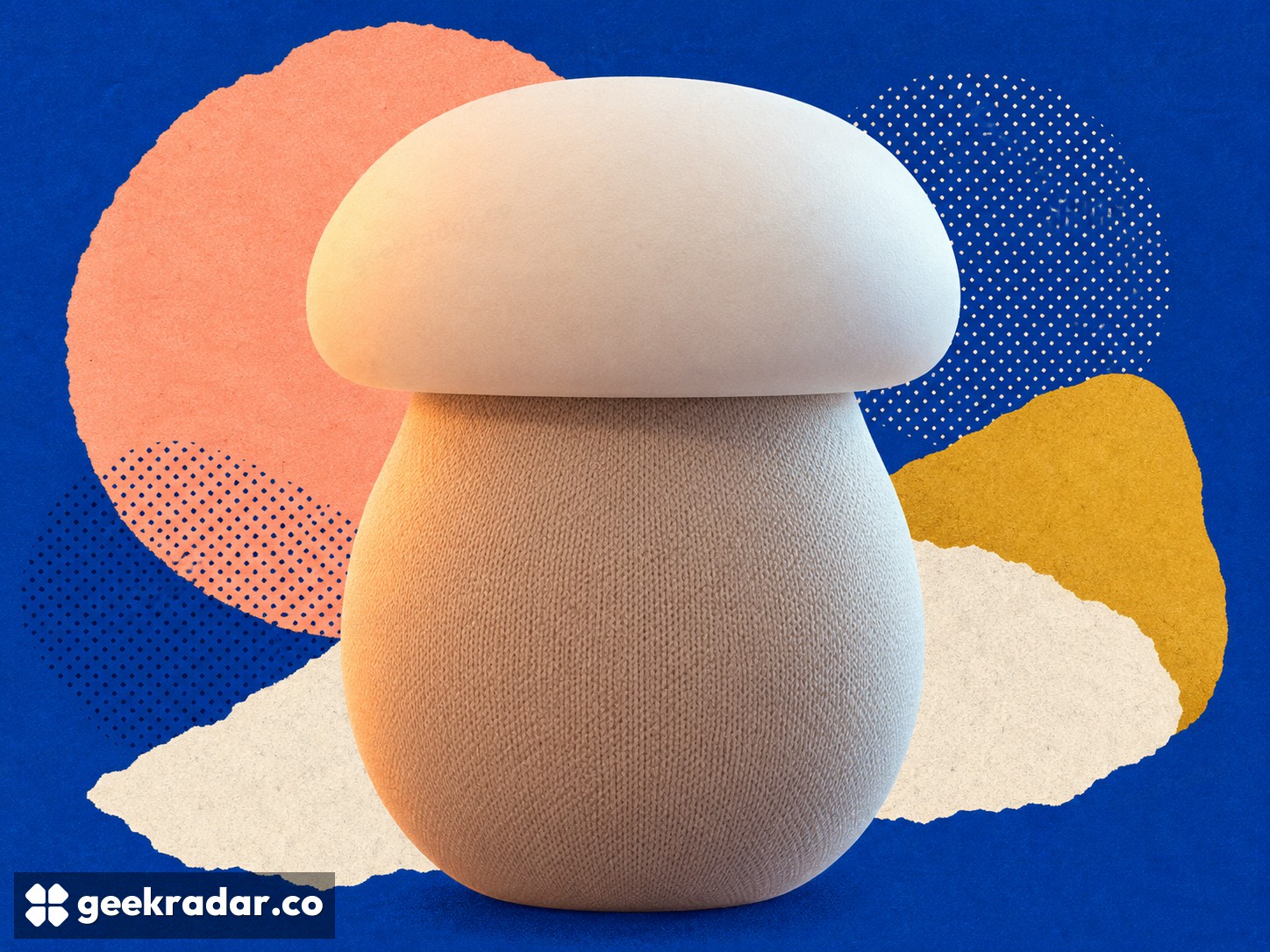
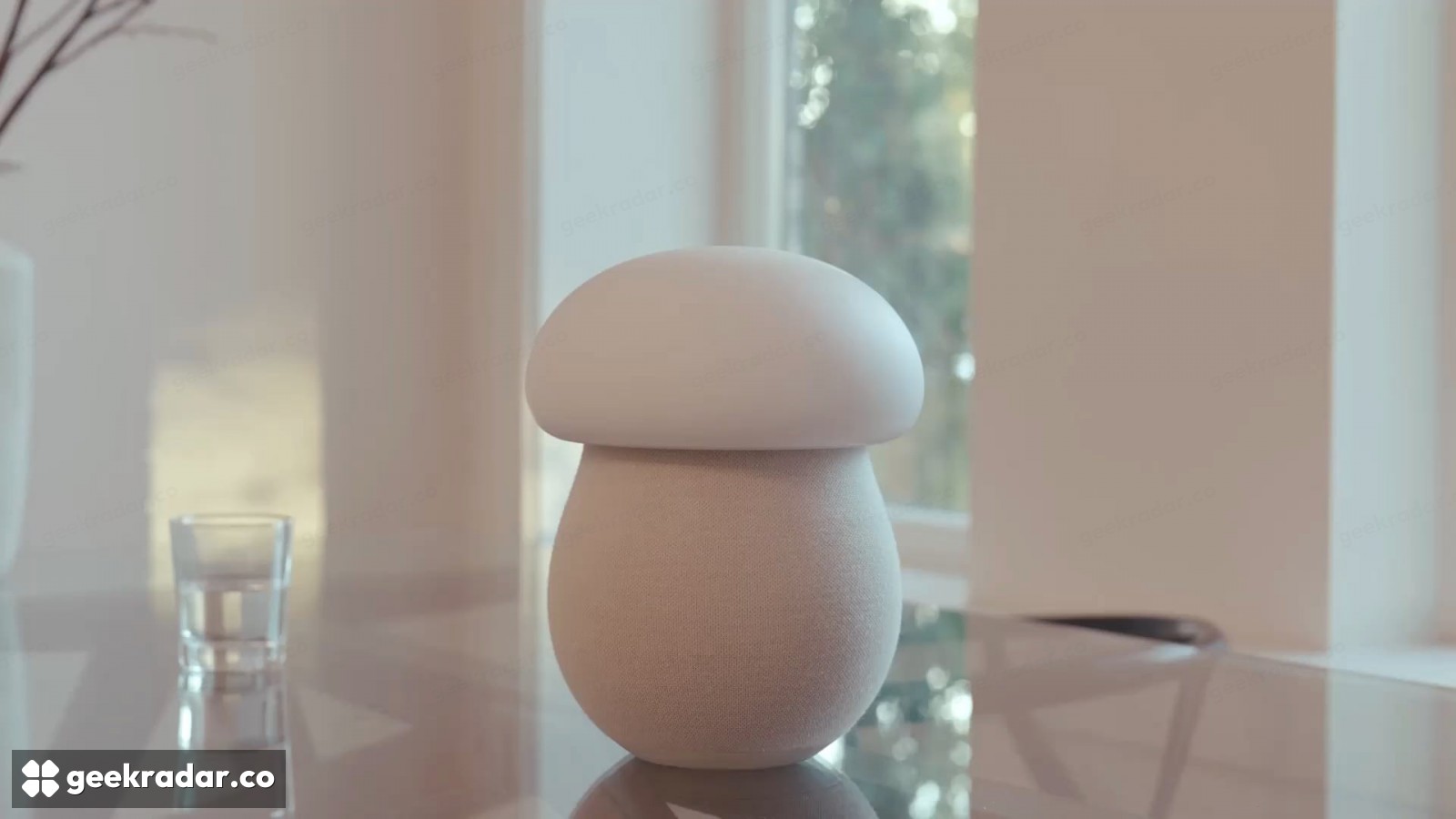
Mori is a home robot designed to communicate through light, sound and gentle movement rather than a screen full of answers. One Kind Artifact’s presentation gives it a rounded textile body and a mushroom-like dome: an object meant to sit in a room, not demand a place at the center of every task.
The more consequential detail is in the First Access offer. The listed $649 price includes two years of Nature Time content. The company says that content plan will not automatically charge when the included period ends, and basic functions continue without it. That separates the purchase of a physical object from an ongoing content relationship.
A companion without a conversation window
Mori’s pitch belongs to a different category from an assistant that manages a calendar or answers research questions. Ambient light and motion can alter the feel of a room without asking the user to formulate a request. That is a design proposition; it is not evidence of a therapeutic benefit or of a machine understanding a person’s emotions.
The distinction is useful because “companion” can invite expectations that exceed the demonstrated behavior. A responsive object can be appealing without being alive, emotionally aware or a substitute for another person. Its value has to come from the experience it actually provides.
The company says sensed data is processed on the device rather than in the cloud. That is a relevant privacy claim, but remains a manufacturer’s account of the architecture. It should not be expanded into a statement that every connected function is independently audited or that no information of any kind ever leaves the product.
Read the offer as a timeline
The same product page also describes a later reservation route with a deposit. That should not be confused with the full-payment First Access offer. A smaller number elsewhere on a page does not necessarily describe the transaction currently being selected.
For buyers outside the confirmed sales arrangements, including Italy, the dollar price does not establish local availability, import costs, warranty handling or delivery timing. Those details need an explicit checkout or regional commitment. The design can be relevant internationally before the purchase terms are equally clear everywhere.
Quiet technology still needs a durable purpose
Mori’s attraction is partly that it asks less of its owner than another display. That can be a meaningful contrast in a home already populated by notifications. But a calm appearance cannot answer the practical question of whether the object remains satisfying once its novelty fades.
The content plan makes that question tangible. A buyer needs to distinguish the enduring interactions built into the device from the variety supplied over time. Knowing that basic functions continue is useful; knowing exactly which experiences belong to each side is what makes the price assessable.
The most persuasive version of this idea would be an object someone still wants switched on after the introductory content period ends. Mori’s long-term case rests on that ordinary evening at home, not on how convincingly a launch page describes companionship.