OpenAI models are coming to Google Cloud. The preview and the promised controls are different things
Marketplace billing may simplify adoption, while general availability and some data controls remain on the roadmap.
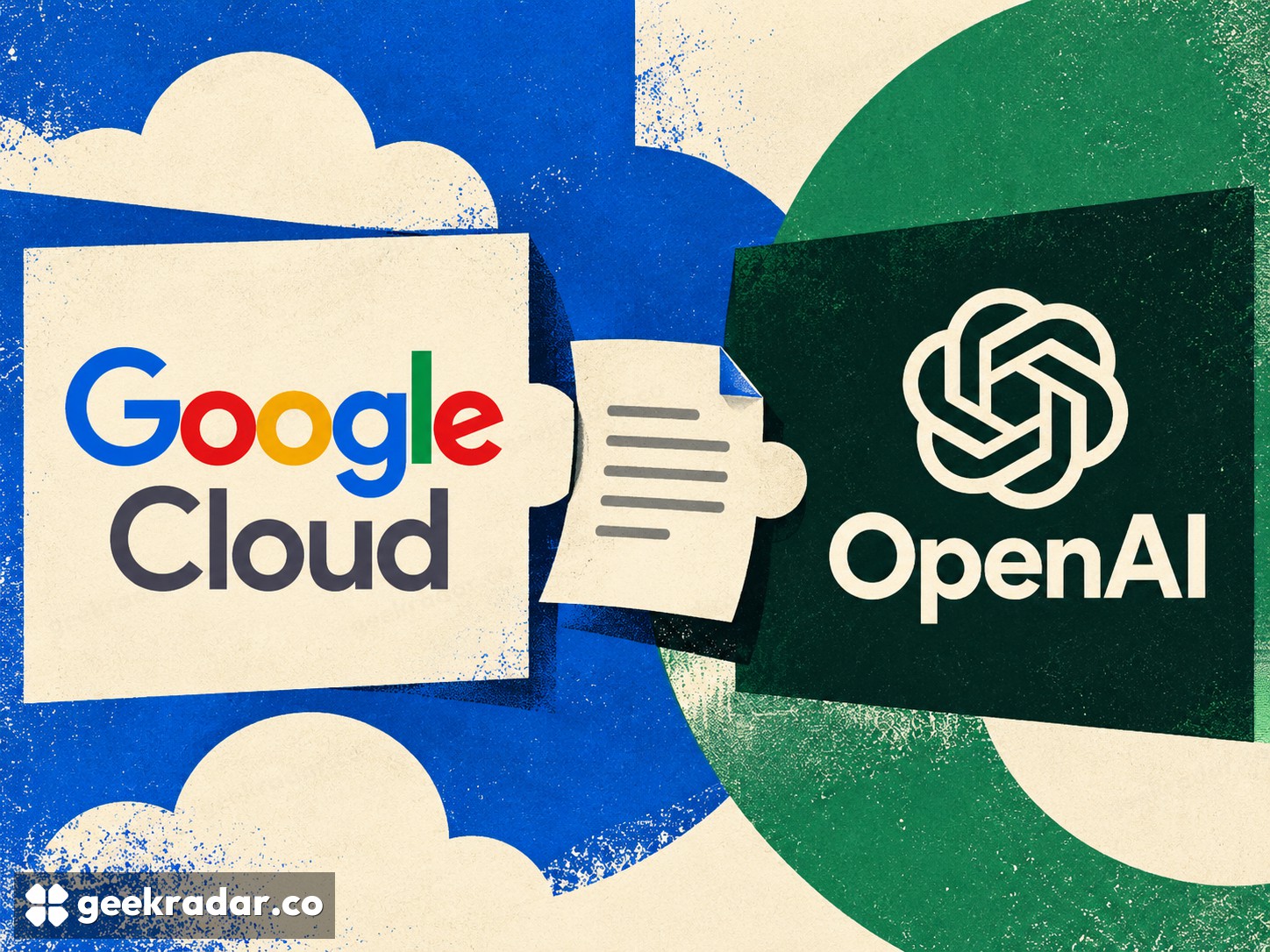
Google Cloud is adding OpenAI models to Model Garden, with a private preview for selected enterprise customers already beginning. The practical change is a purchasing and operating route: a company can evaluate OpenAI alongside other models inside its existing cloud arrangement. It is not general access for every Google account, and several advertised safeguards and integrations are still forthcoming.
Google's October 21 announcement names GPT-6 Astra, GPT-6.1 Sol and GPT-6 Luna for the preview. OpenAI's announcement puts general availability in the coming weeks. Read those statements together: the partnership exists now, while broad availability remains a rollout commitment.
The cloud bill is part of the product
Google says purchases run through Cloud Marketplace and can draw down existing cloud spending commitments. OpenAI confirms that purchasing route. For an enterprise already committed to spending with Google, that can change the decision before anyone compares a model's answer quality. A new supplier normally brings procurement, contracts and billing work; consuming an existing commitment can make an experiment easier to authorize.
That is not the same as free usage or a demonstrated lower unit price. A commitment is still money the organization has agreed to spend. The useful comparison includes inference charges, the volume of calls required to finish a task, and the operational work around the model. A cheap request that needs several retries can be less economical than a more expensive request that completes the job correctly.
That distinction matters across cloud computing: the invoice is only one part of the operating cost. Here, the new option matters most to teams whose applications, identity controls and budgets already sit on Google Cloud.
A shared catalogue does not make models interchangeable
The attraction of a model garden is the ability to compare alternatives without rebuilding the entire commercial relationship. But a common entry point does not guarantee identical behavior. An application may depend on how a model follows instructions, returns structured information or handles a tool error. Those differences survive a shared invoice.
For example, an internal assistant that extracts a contract deadline needs more than fluent answers. It must preserve the date, identify the relevant document and handle ambiguous wording in a way the application can detect. Moving that workflow to another model should be an evaluated change, even if the infrastructure makes the substitution easy. This is a workflow example, not a claim about a measured weakness in any of the announced models.
Read the availability of the safeguards separately
Google describes identity, audit and data-perimeter controls for the offering. Its announcement also labels Zero Data Retention options and Confidential Compute as coming soon. Those are materially different states. A team whose approval depends on either capability should not treat the current preview as already satisfying that requirement.
The same caution applies to planned integrations with Google's business and development tools. Their inclusion in the partnership announcement is not evidence that every customer can enable them today. No Italy-specific entitlement or Italian hosting location follows simply from being a Google Cloud customer; organizations need the applicable region, contract and feature details for their deployment.
The strongest reason to welcome this arrangement is the reduction in friction around a real choice. Its value will show up when a team can change models because the work demands it, while still knowing who can access the data, what the task costs and which promised controls have actually shipped.