Pokémon GO’s Minior event has two clocks: evening encounters and the real Orionids
The current event offers an evening encounter boost and a battle transformation. The real meteor shower peaks on a different timetable.
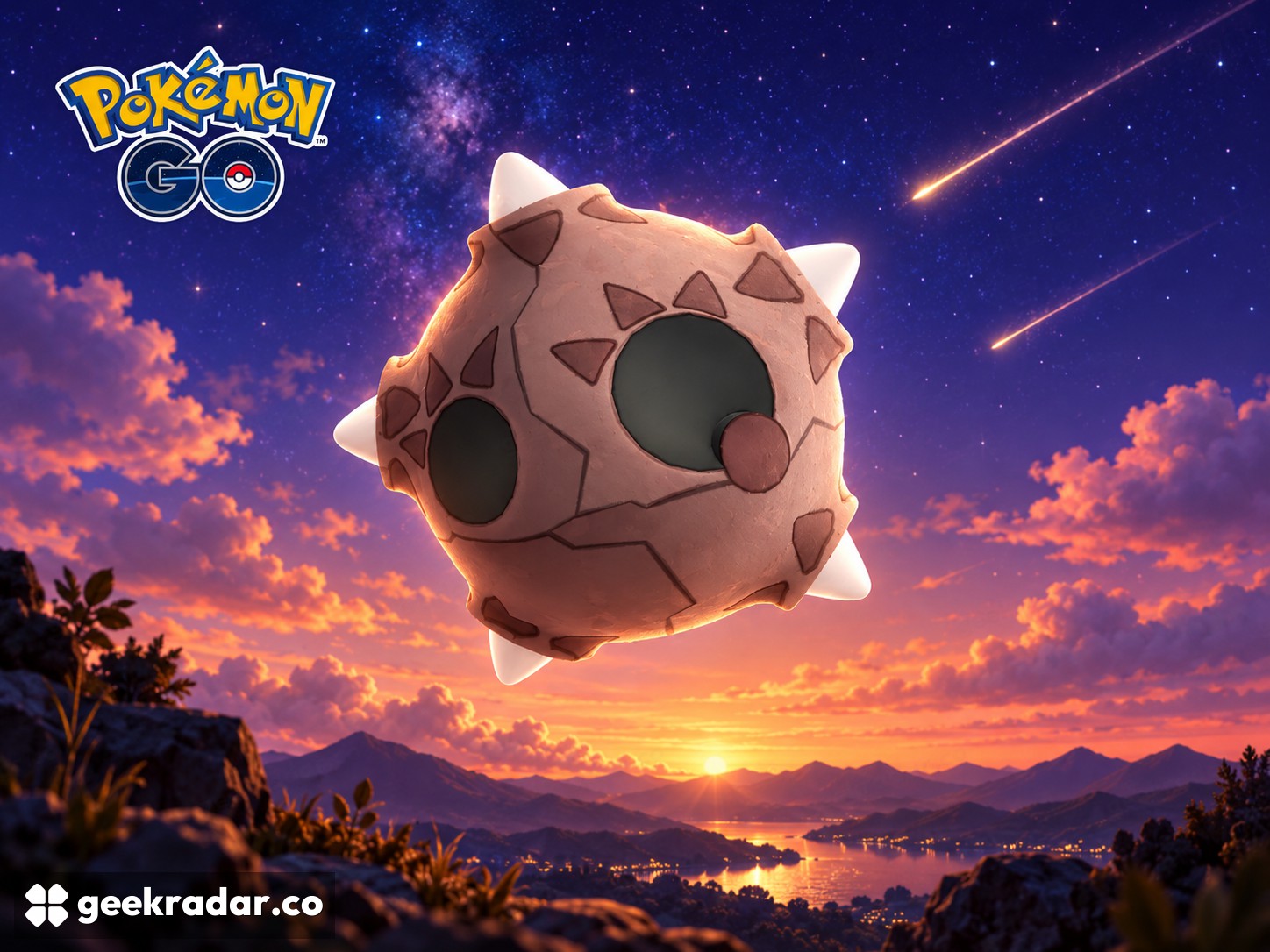
Pokémon GO’s Orionid event brings Minior encounters, with increased chances and shooting-star effects from 17:00 to 21:00 local time each day.
The overall event runs from October 19 at 17:00 through October 24 at 23:59 locally. The four-hour boost is a useful planning window, rather than a guarantee that a particular outing will end with a catch.
The shell changes the battle, not just the appearance
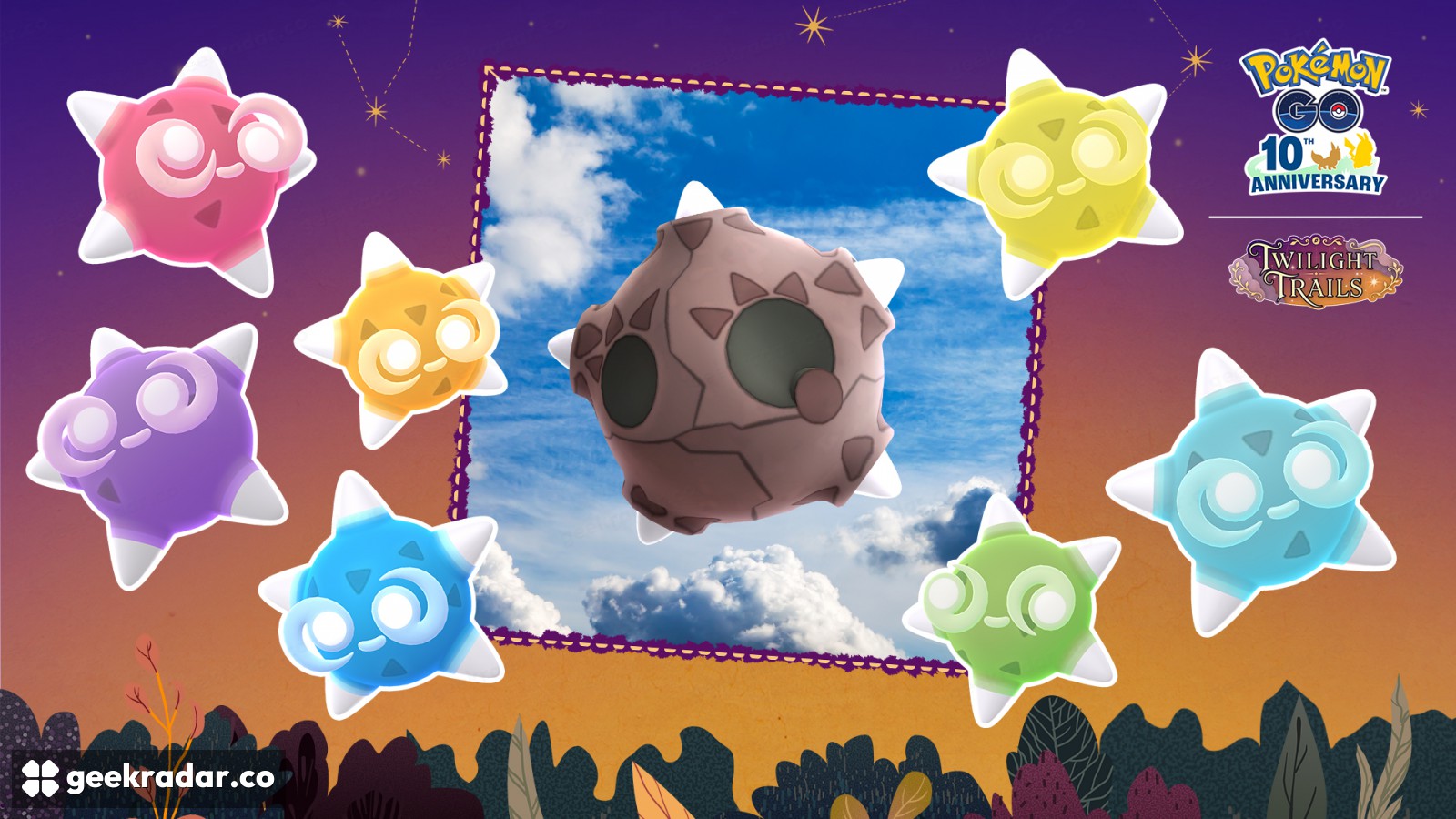
Wild Minior appears in Meteor Form. Below 50% health, its core emerges, increasing Attack and reducing Defense. Initially, this works against Team GO Rocket, team leaders and in GO Battle League; Minior is excluded from the 2027 Latin America International Championships.
Those rules introduce an unusual tension. Losing health ordinarily reduces the room for error; here it also opens a more aggressive phase. That does not automatically make taking damage a good decision. A Pokémon still needs enough time to use the offensive opportunity, and the transformation alone says nothing about a particular matchup’s outcome.
The seven core colors arrive across different meteor showers, rather than all becoming available this week. Collection and combat therefore ask different questions: which version can you find, and how will you use it once the battle starts?
The real Orionids run on a different clock
The astronomical connection has substance beyond the event’s name. NASA’s Orionids guide explains that the shower comes from debris shed by Halley’s comet. Its apparent origin near Orion is a viewing direction, called the radiant; the particles are not arriving from the constellation’s stars.
NASA lists the 2026 peak for October 21–22 and recommends watching after midnight, away from city and street lights. The shower is visible from both hemispheres. Its meteors can cross a much wider area of sky than the radiant itself, so staring at one tiny patch is unnecessary.
The overlap is a pleasing fit for a mobile game built around moving through the world, but there is no need to treat the two activities as simultaneous. A clear sky does not establish a better in-game encounter rate, and an animated meteor on a phone does not report one overhead.
Catch opportunities can be planned to the minute. The real shower asks for something less transactional: darkness, patience and time with the screen put away. This event offers a useful excuse to do both, without mistaking one kind of discovery for the other.