TSMC's 2nm process reaches 8% of wafer revenue as quarterly sales climb
The foundry reports $46.72 billion in quarterly revenue. Its manufacturing mix shows why a new process does not replace older nodes overnight.
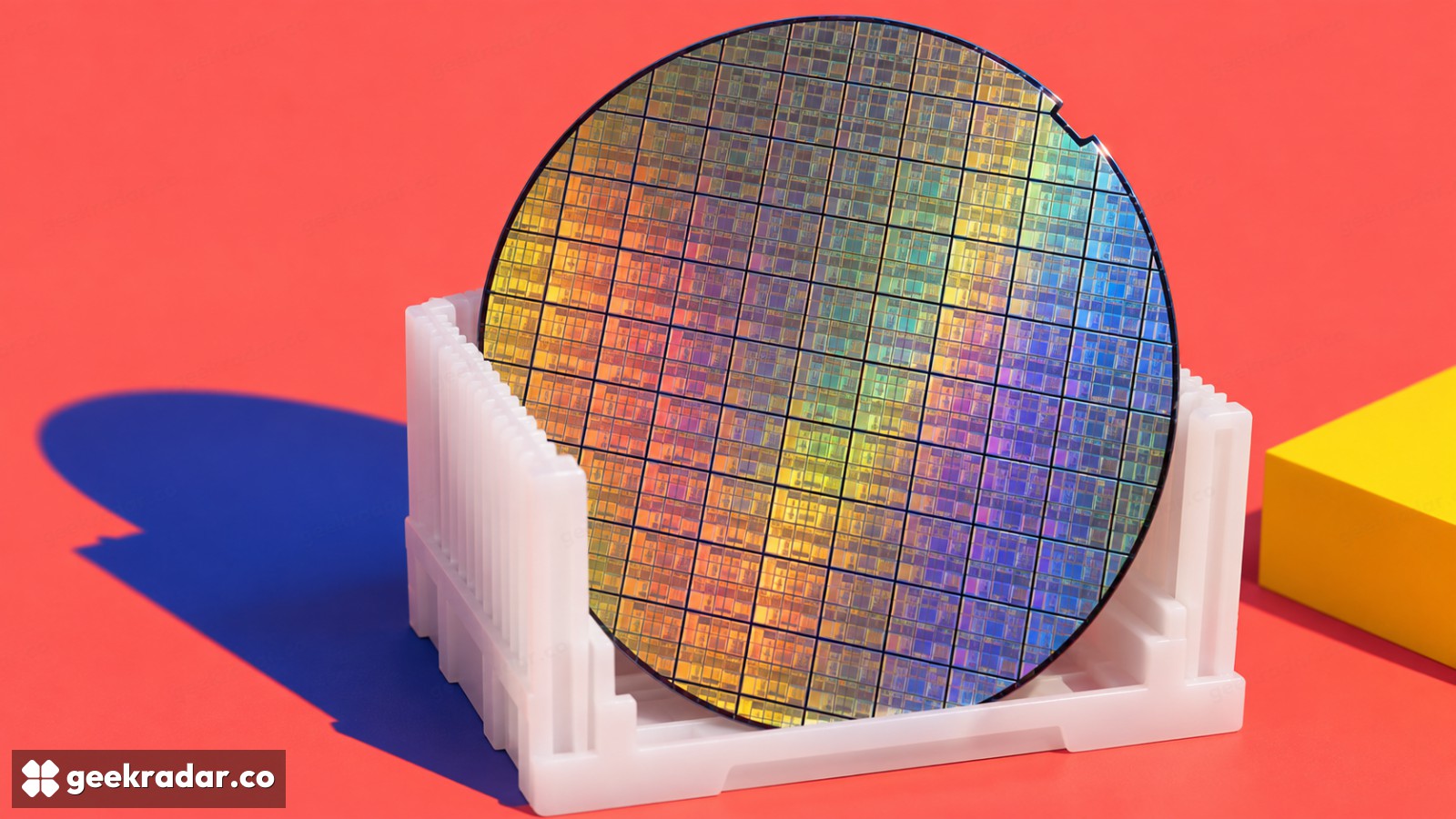
TSMC's 2nm manufacturing process accounted for 8% of its wafer revenue in the third quarter, giving a concrete measure of how far the new technology has moved into commercial production. The company reported quarterly revenue of $46.72 billion and forecast another increase in the final quarter of 2026.
The October 15 results put 2nm alongside much larger contributions from 3nm and 5nm. The newest process is becoming financially meaningful, but established advanced processes still supply most of the business. That is a more informative picture of a manufacturing transition than the idea that one node instantly replaces another.
Revenue mix is not a count of chips
TSMC says 3nm represented 33% of wafer revenue, 5nm 28% and 7nm 10%. Together with 2nm, those technologies accounted for 79%. The remaining 21% came from older processes.
| Process | Share of Q3 wafer revenue |
|---|---|
| 2nm | 8% |
| 3nm | 33% |
| 5nm | 28% |
| 7nm | 10% |
| Older processes | 21% |
These are revenue shares, not percentages of chips shipped. A wafer's selling price varies with the process and product, while the number of usable chips cut from it depends on die size and manufacturing yield. Eight percent of wafer revenue therefore cannot be translated into eight percent of phones, processors or finished devices.
The distinction becomes clearer in the quarterly presentation. TSMC's 12-inch-equivalent wafer shipments rose 9.6% from a year earlier, while dollar revenue rose 41.2%. Revenue grew much faster than the normalized physical shipment count. Product mix and pricing are relevant to that gap; the figures do not support treating it as a simple increase in the number of wafers made.
The new process changes the transistor
TSMC's technology overview says N2 began volume production in the fourth quarter of 2025 and uses its first-generation nanosheet transistors. The current results describe the subsequent production ramp, not the first announcement of the process.
A process generation is a manufacturing platform that chip designers must adopt in a real design. Moving a product onto it involves more than changing a label: the design, verification and production preparation must work together. That helps explain why several generations continue to generate substantial revenue simultaneously.
Nor is the smallest available node automatically the appropriate choice for every component. A product's requirements include cost, power, density, analog behavior and an established supply chain. TSMC's continued revenue from older processes is part of that diversity, rather than evidence that every customer is waiting to buy the same cutting-edge technology.
Strong growth still has physical costs
The presentation records NT$443.21 billion of capital expenditure during the quarter. That spending sits alongside the expanding revenue base: manufacturing capacity depends on facilities and equipment that have to be installed and operated, not merely on demand for more processors.
Gross margin was 66.4%, down from 67.7% in the previous quarter, even as revenue increased. Growth and margin do not have to move together. For the next quarter, management projects revenue of $52.3 billion to $54.3 billion and attributes support to advanced-process demand, including the 2nm ramp. That is a forecast, not revenue already earned.
The result also helps explain why the chip industry cannot be read directly from global smartphone shipment figures. Handset volumes and a foundry's revenue measure different things, with different product mixes and prices. TSMC's current report shows a growing business moving more of its value into advanced manufacturing. It does not establish that every device category is growing, or that the next generation of consumer hardware will become cheaper.