JPEG XL reaches Chrome and Firefox, giving web photographs another option
Recent browser releases widen support for high-fidelity images, reversible JPEG conversion and progressive display. Publishers still need the right rendition for each job.
JPEG XL has gained two important places to show its work: Chrome 155 and Firefox 158. Google's October 6 announcement and Mozilla's October 13 release notes bring the format into both browsers, widening the audience for photographs that preserve fine detail without carrying the full weight of older files. For publishers, that changes the feasibility of using JPEG XL. It does not settle every image-format decision.
The useful distinction is between making an image smaller and deciding what information survives. A product photograph with subtle surface texture, a gradient-heavy illustration and a tiny navigation icon pose different problems. Treating one compression percentage as a universal answer obscures those differences.
A new delivery option for photographs
Google's Chrome announcement describes strengths in high-fidelity photography, lossless compression and progressive display. It also recommends considering both JPEG XL and AVIF rather than assuming one wins on every image. Google's headline size savings are its own comparison, not a measurement of every website's library.
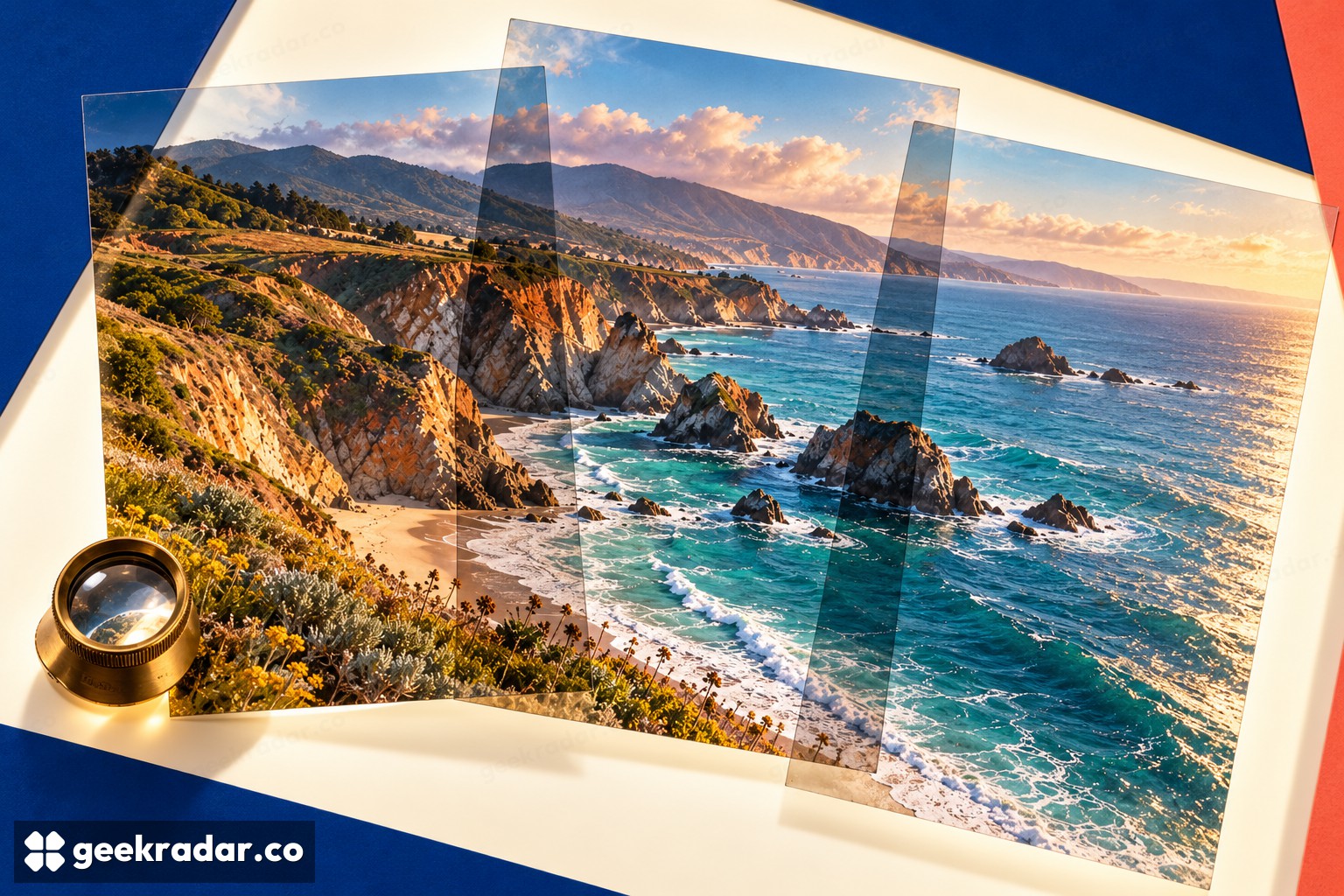
That matters for an image-rich publication. A reader opening a detailed hardware photograph wants to examine the surface, ports or camera assembly. A smaller file is useful only if the rendition retains the detail that justified opening it. Conversely, preserving every imperceptible distinction in a small homepage thumbnail can spend bandwidth without improving the reading experience.
The Firefox 158 release notes confirm JPEG XL support independently of Chrome's implementation. Two current browser releases are meaningful distribution milestones, although a release number is not an inventory of the browsers a particular site's visitors actually use. Older installations still belong in a publisher's delivery plan.
Lossless conversion has a precise meaning
The JPEG committee's format overview describes both lossy and lossless modes, along with reversible transcoding of existing JPEG images. In that last case, the original JPEG can be reconstructed exactly. The process does not retrieve detail already discarded when the original was compressed.
This creates two separate opportunities. A publisher can make a new rendition from a high-quality master, choosing the desired quality and file size. An archive can also preserve existing JPEG files through a reversible representation. Those are different workflows with different definitions of success: visual fidelity in the first case, recovery of the original file in the second.
The standard also accommodates wide color gamut, high dynamic range and progressive decoding. The last feature lets an image develop as data arrives. It offers a different experience from leaving the reader staring at an empty rectangle until the complete picture is ready, particularly for large images opened for inspection.
Browser support is only one part of publication
Google says Chrome's decoder uses the Rust-based jxl-rs implementation. That is a relevant implementation choice for software that processes untrusted files, but it should not be read as a claim that malformed images can never expose a bug. The format, the decoder and the browser's surrounding defenses are separate parts of the system.
For a site adopting JPEG XL, the immediate work is practical: retain usable fallback renditions, confirm that image-processing software preserves orientation and color, and evaluate representative photographs at the size readers will see. These are delivery decisions, not a reason to replace an entire archive at once. Our Internet coverage follows such changes because browser capabilities only become useful when the publishing chain can use them reliably.
The strongest case for JPEG XL is therefore specific. It gives publishers another way to keep photographic detail while controlling transfer size, with fresh support in two widely used browser families. The sensible result is more choice over the image readers receive—not a new excuse to serve the same oversized file to every screen.