Anthropic’s AI replication study puts smart-device security back in focus
Controlled experiments show progress on parts of a replication chain, but the study does not demonstrate an autonomous small-model outbreak in the wild.
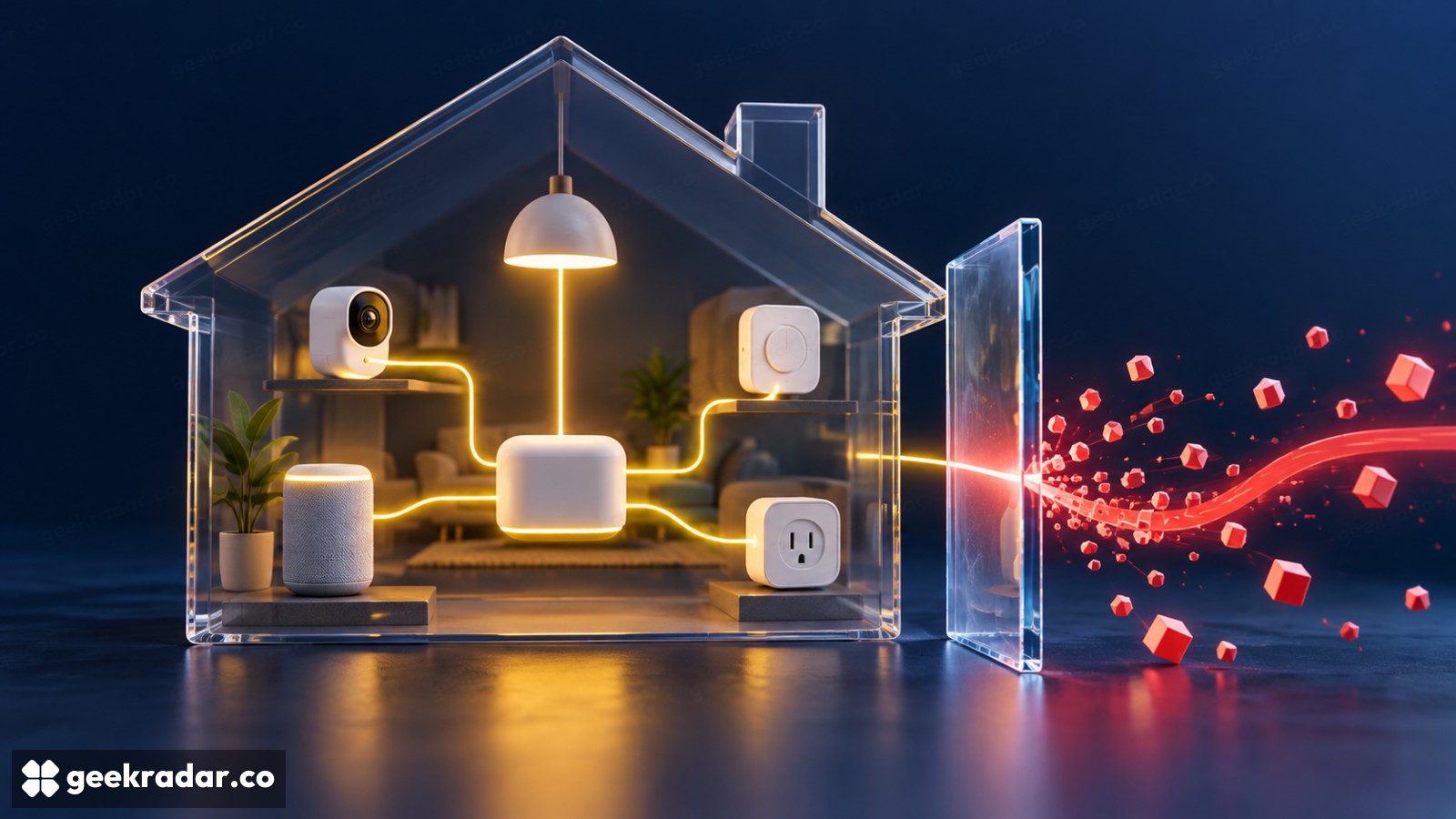
Anthropic’s Frontier Red Team has examined whether AI models could spread across inexpensive connected devices while carrying the software and model weights needed to run. Its October 12 report describes progress on individual capabilities and a substantial remaining gap between small models that fit the hardware and models capable of orchestrating the full task. Anthropic’s research report.
What the experiment actually establishes
A nine-billion-parameter model established inference on eight of nine tested hardware types. In a simplified replication evaluation, GLM-5.2 propagated a smaller model, while the directing model ran on separate infrastructure. The researchers removed authentication from the test’s ADB access, explicitly describing the result as an upper bound on real-world success.
Their estimate that smaller models could reach the necessary capability by year-end is a projection. It is not an observed outbreak or proof that a complete small-model replicator already works against ordinary defended households.
Capability and exposure are separate questions
Our reading is that the paper is useful because it separates several problems that alarming headlines tend to merge. Can a model operate unfamiliar hardware? Can it coordinate a sequence reliably? Can it fit on the target? Can it obtain access in the first place?
Evidence for one step should sharpen the next research question. It should not automatically stand in for evidence that every step works together. Conversely, limitations in the experiment do not make the underlying question disappear.
For future reporting, we would look for evaluations that retain realistic access controls and clearly distinguish external assistance from computation taking place on compromised devices. We would also want failure rates and operating speed reported alongside successful demonstrations.
The connected-home context
Our Matter 1.2 retrospective followed the expansion of interoperable household devices. This research highlights a different dimension of the same ecosystem: what happens when capable software encounters a varied installed base.
Explore our Security section and Internet of Things topic. The editorial priority is to track demonstrated capabilities and experimental assumptions together, so readers can distinguish an emerging risk from an established incident.