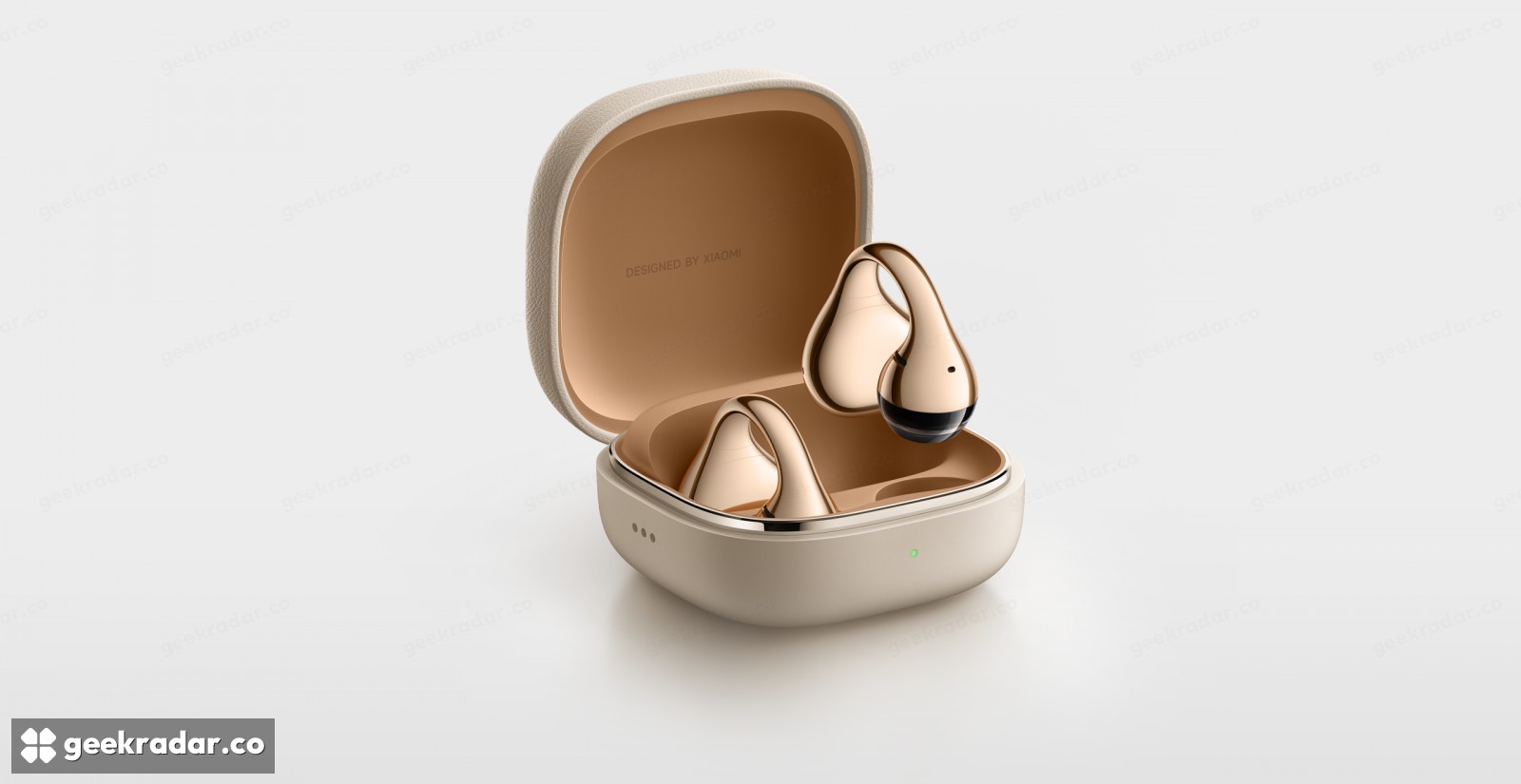
Xiaomi Clip’s nine-hour battery rating drops to six with LHDC
Xiaomi measured the same open-ear buds with two Bluetooth codecs. The difference matters on a long shift, and the charging case has a trick of its own if it goes missing.
Xiaomi gives its new Clip earbuds two different battery ratings for playing music. Choose AAC, the Bluetooth audio format used in its nine-hour test, and a fully charged pair could last an eight-hour shift. Switch to LHDC 5.0 on a compatible phone and Xiaomi rates the same pair for six hours. Both figures start at 50% volume with other features switched off. For anyone choosing the Clip for a long day away from a charger, the three-hour difference deserves at least as much attention as the shape.
The Xiaomi Clip wraps around the rim of the ear. Each side weighs about 5.5 grams, and the charging case adds a second battery that stays in your pocket. That gives the product a third, much larger number on the box: up to 38 hours. It takes several listening sessions, with stops in the case, to use them.
What the phone changes
A codec determines how the phone encodes music for the Bluetooth connection and how the buds decode it. Xiaomi’s published test conditions make a more useful comparison than two battery claims from different manufacturers. The hardware stays the same. The LHDC music test uses a 48 kHz sampling rate. Xiaomi also lists SBC as supported but gives no separate battery figure for it.
| Xiaomi’s test at 50% volume | One charge | Total with case |
|---|---|---|
| Music over AAC | Up to 9 hours | About 38 hours |
| Music over LHDC 5.0 at 48 kHz | Up to 6 hours | About 25 hours |
| Voice calls over AAC | Up to 6 hours | About 25 hours |
Even with AAC selected, a day spent taking calls is a different proposition from a day spent listening to albums. The fast-charge figure also has conditions attached. Xiaomi measured up to three and a half hours of AAC music after ten minutes in a case that still had at least 20% charge. That makes a coffee break a plausible top-up. An empty case offers no such shortcut.
Where the speaker sits
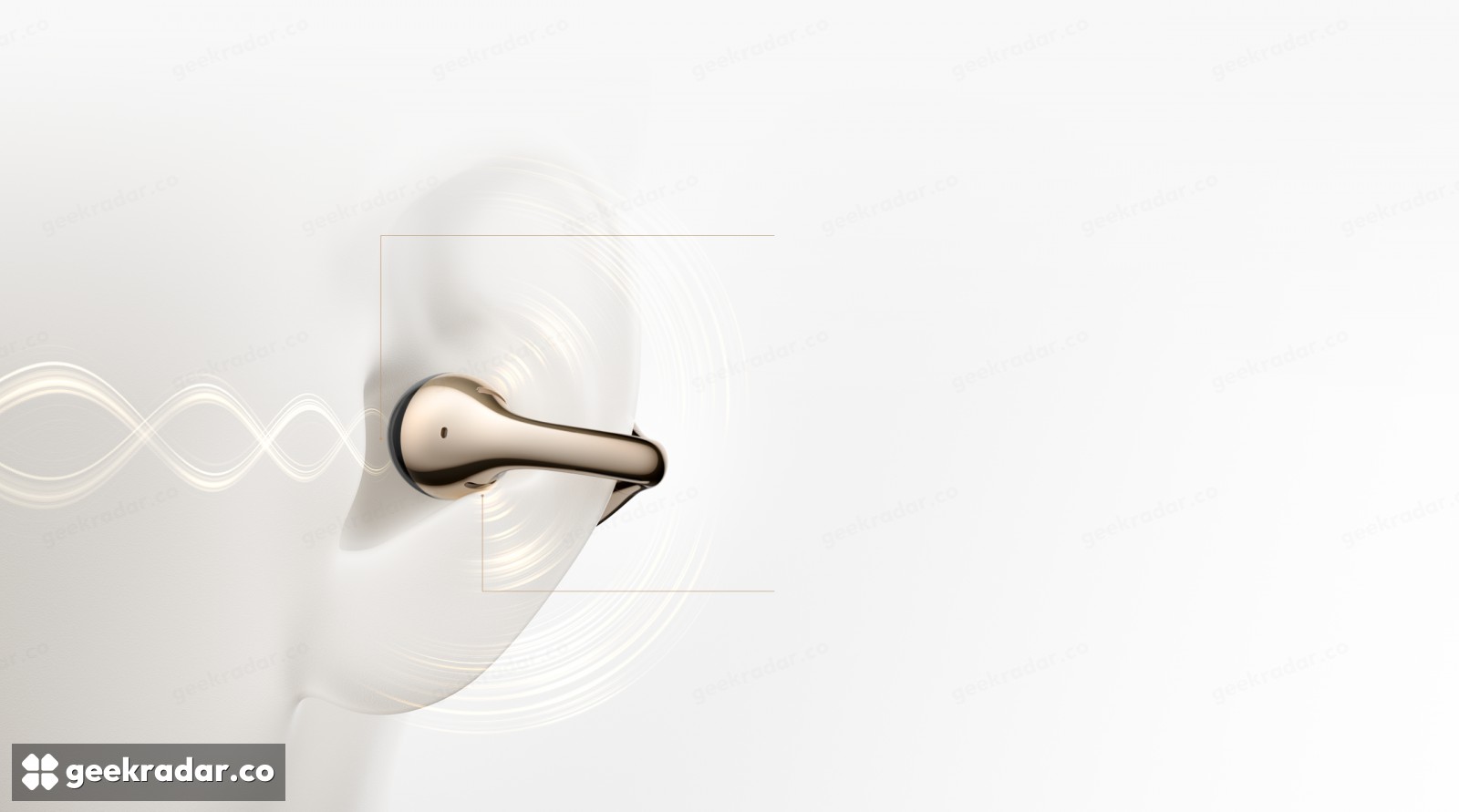
An 11 mm driver sends sound through an outlet angled toward the ear canal. The canal itself stays open, so a conversation at the next desk can remain audible. Xiaomi also directs sound to reduce what escapes toward other people. Those are separate jobs. A quieter office makes leakage easier for a neighbour to hear, which is why even Xiaomi’s own guidance suggests turning the volume down there.
The two halves look similar enough that fit deserves a moment’s attention. In TechRadar’s early hands-on, the writer described putting the earpieces on the wrong sides more than once. There is a designated left and right. With a speaker aimed from outside the canal, taking a second to check the side makes more sense than immediately turning the volume up.
There is one more reason to bring the case. On an iPhone running iOS 18 or later, Apple Find My can locate it, and within Bluetooth range you can make it ring. An individual loose earbud cannot be located that way. Bose’s wired USB-C approach dispenses with a case altogether. With the Clip, the simple habit of putting each bud straight back in its slot buys two things at once: the next stretch of listening and something your phone can actually find.