Proof of Life built a country on paper and borrowed Quito for its streets
For the Meg Ryan thriller, Ecuadorian designer Pablo Iturralde gave fictional Tecala banknotes, stamps and even a newspaper. Quito’s landmarks tell a different part of the story.
Look at the small print in Proof of Life. The Andean republic where Meg Ryan finds herself negotiating for her husband’s life had a currency, a postal service and newspapers of its own. Taylor Hackford could take a camera to Ecuador for the mountains and streets of his 2000 thriller. To get the contents of a wallet right, he needed someone to invent a country.
One of the best places to look for Tecala today is the portfolio of Ecuadorian graphic designer Pablo Iturralde. He worked in the film’s art department and kept examples of what it made. The images reward a kind of attention the thriller can scarcely afford to ask of its audience. You can stop and read the masthead of La Verdad, a paper printed for people who live nowhere outside the story.
It started with a banknote
Iturralde came to the project after working on Sebastián Cordero’s Ecuadorian film Ratas, ratones, rateros. His initial job on Proof of Life was to assist art director Steve Carter. A colleague, Roberto Frisone, was designing banknotes and needed help turning the proposal into a finished piece. In Iturralde’s account, he solved the technical problem in a week. Production designer Bruno Rubeo saw the notes alongside flags and official insignia and asked for Iturralde to become the production’s graphic designer.
Consider what a banknote commits a film to. A camera can pass over its portrait in a fraction of a second, but a note still needs an issuer and a denomination. Introduce a bank elsewhere in the city and a second designer now has something to work from. The same logic runs through the stamps, newspapers and beer labels described in the portfolio. One object gives the next one a history. Iturralde could make Tecala feel familiar to a viewer without putting an actual Ecuadorian institution behind the events of the screenplay.
What the mountains supplied
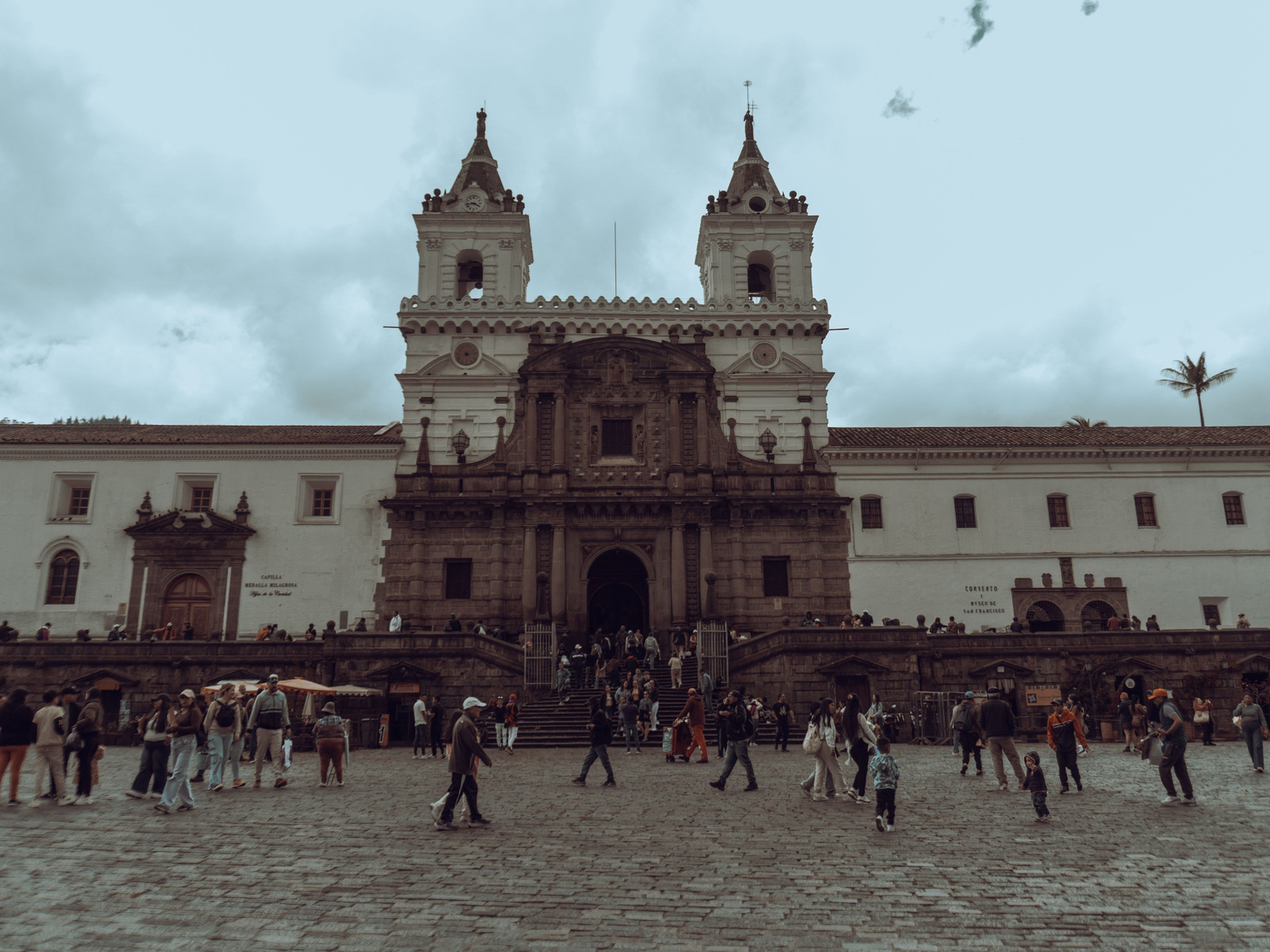
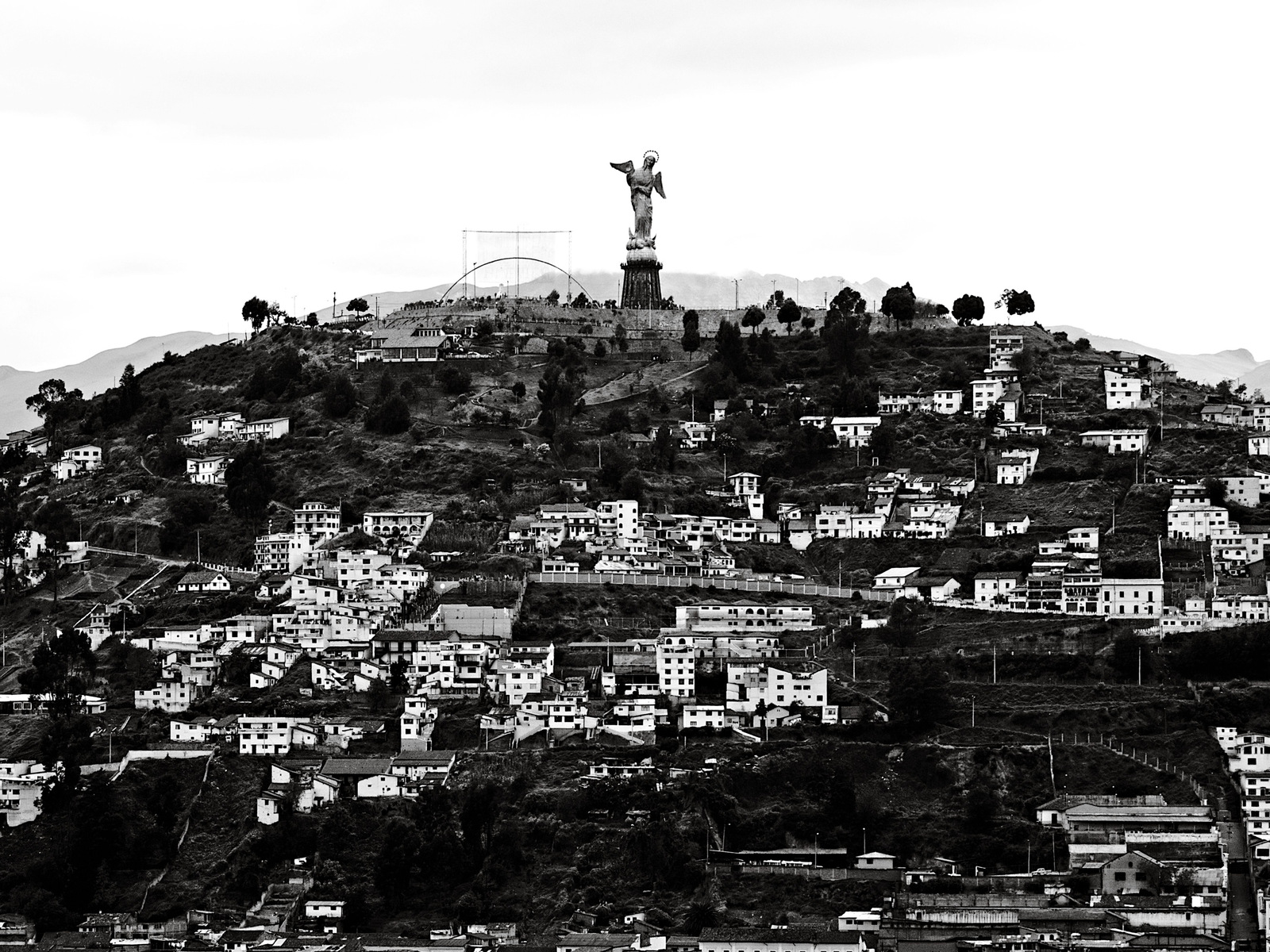
The ground beneath those invented institutions was easier to recognize. Location research in Ecuador identifies Quito’s Plaza San Francisco and the Guápulo district. The city climbs the slopes of Pichincha, with hills breaking up the urban landscape, as UNESCO’s description of Quito makes clear. For someone who knows the square, a few seconds of screen time can be enough to name it.
Location work also put limits on what Hackford could ask of his actors. In interviews at the time of release, David Morse recalled long shooting days at around 14,000 feet, while David Caruso described the director’s determination to work in demanding terrain. The altitude was real even when the name on a sign was made up.
Where the animators of *In Waves* had to translate a page into motion, Iturralde faced almost the reverse problem. He had to design a page that would make sense even if the camera never paused to read it. Of all the things a thriller can leave behind, a back issue of a newspaper from a country that never existed is a particularly good reason to look again.