Overwatch's 6v6 Role Queue test asks a better question than which team size wins
A four-week 2-2-2 mini-season will coexist with 5v5 and Open Queue, backed by dedicated six-player balance changes.
Overwatch is giving competitive 6v6 another route back: a four-week Role Queue mini-season beginning on the first day of Season 6. It will use a 2-2-2 composition and run alongside both standard 5v5 Competitive and the existing 6v6 Open Queue. Blizzard is also preparing balance changes specifically for six-player teams, applying them to both 6v6 queues.
Game director Aaron Keller's latest Director's Take makes the strategic change clearer than a simple “6v6 returns” headline. Blizzard is no longer trying to settle on one format that replaces the other. It wants to support an audience divided between two different ways of playing, while keeping 5v5 as the main mode.
A cleaner test of what players actually want
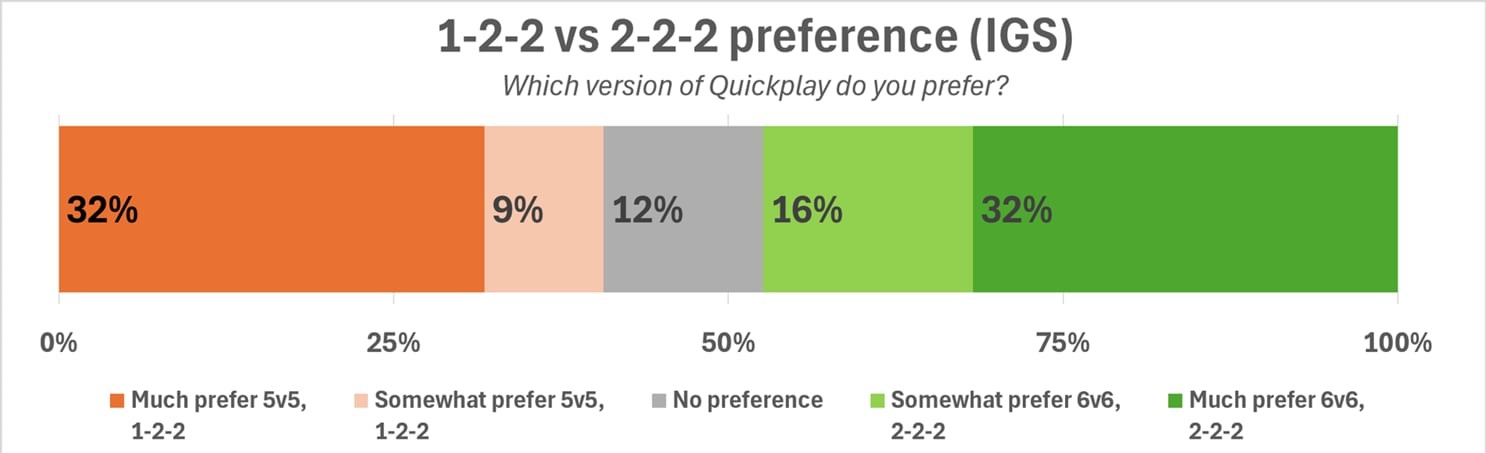
Open Queue bundles two freedoms together: players get six-person teams and fewer constraints on role choice. Its popularity therefore cannot, by itself, tell Blizzard which freedom is doing the work. Someone who likes six players may still want a predictable role composition; someone who likes switching roles may tolerate either team size.
Running 6v6 Role Queue alongside Open Queue helps separate those preferences. The same broad team size will be available with and without the role restriction, so player behavior can reveal something that a single combined mode obscures. That is the most interesting part of the mini-season: it changes the question from whether six-player Overwatch has an audience to which version of it that audience will keep choosing.
Keller says earlier tests with different queueing methods did not fully deliver the experience players wanted. He also reports that 6v6 Open Queue is the second most-played mode in Season 5. Those are Blizzard's assessments of its own game, rather than an independent player census.
Balance needs to follow the format
The new balance work addresses a weakness in treating 6v6 as simply an extra slot on each side. Keller says that after an initial set of adjustments, later seasonal balance changes were inherited by the six-player mode. Hero win rates often stayed similar, but there were exceptions. A shared patch could therefore look reasonable in one format and produce a different result in the other.
The announced dedicated patch gives Blizzard a way to respond to those differences directly. It also matters that Open Queue receives it: the existing 6v6 audience is not being asked to move into Role Queue just to benefit from this round of balancing.
Blizzard has not supplied the full numerical patch in this post. Specific health, cooldown or damage changes should not be guessed from the announcement. The confirmed commitment is a meaningful format-specific balance pass, with the details still to come.
More choice still has a queue cost
The obvious constraint is matchmaking. Adding another competitive queue divides the pool of people available to fill each match. Role requirements can make that problem uneven: a large total population does not guarantee that enough people want every necessary role at the same moment.
Keller acknowledges possible effects on waiting times in this and other modes, and says Season 6 includes matchmaking changes intended to keep them manageable. That is a plan to address the tradeoff, not evidence that it has already disappeared.
For Overwatch, the success of this experiment will involve more than a busy launch day. A mode must stay appealing when players are choosing it for an ordinary evening's games. Dedicated balance gives 6v6 a better chance of earning that repeat visit; acceptable waiting times determine whether people get to make it.