Microsoft’s Black Friday Surface price promise has two deadlines
A January price cut at Microsoft and the same cut at another retailer can produce different refunds. The delivery date, seller and exact configuration decide which offer counts.
Suppose you order a Surface from Microsoft this weekend and spot it for less on January 27. Can you get the difference back? For a qualifying US holiday purchase, the answer can change depending on whose website you’re looking at. A price cut by Microsoft can still qualify that late in January. A cheaper listing at another shop runs on a separate clock that starts when your Surface arrives.
That distinction matters this week. Microsoft’s US Black Friday sale runs from November 19 through November 28, while Windows Central’s Surface deal roundup follows prices at several sellers. A deal page can move you from Microsoft to another retailer in a single click. The name beside the checkout button determines whose promise comes with the purchase.
Two clocks for the same order
The US store’s 2026 holiday terms cover qualifying physical consumer products bought directly from Microsoft between October 1 and December 2. If Microsoft cuts its own price, the buyer can request the difference through January 31, 2027. For a lower price at an eligible outside retailer, Microsoft gives the buyer 60 days from delivery of the new product. Buying on Black Friday does not extend that second window to the end of January.
Take a Surface ordered on November 21 and delivered on November 23. On January 27, more than 60 days will have passed since delivery. If Microsoft still has the identical Surface in stock at a lower price that day, there is time to ask for the holiday adjustment. If only Best Buy has dropped the price, the competitor window on that order has already closed. The reversal works too: if you originally bought from Best Buy, the subsequent discovery of an attractive Microsoft price is a matter for the retailer on your receipt.
The list of eligible sellers is local. Microsoft’s US policy names Best Buy and Amazon for Surface. Its UK policy also names Argos and John Lewis. In either example, opening a familiar retailer’s website is only the first check. An independent merchant offering a tablet through that site’s marketplace can appear on the very same product page.
What makes two Surface listings a match?
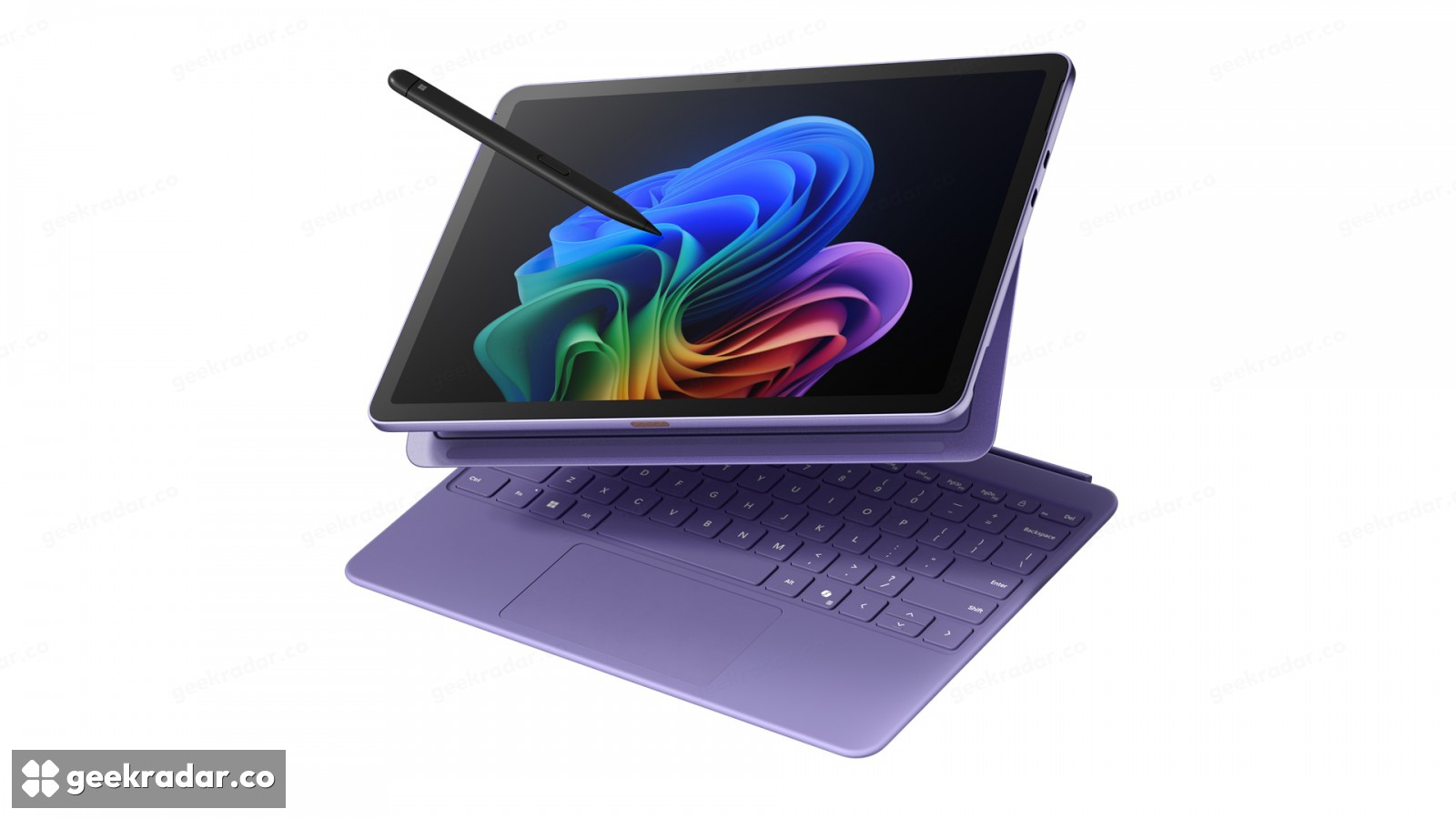
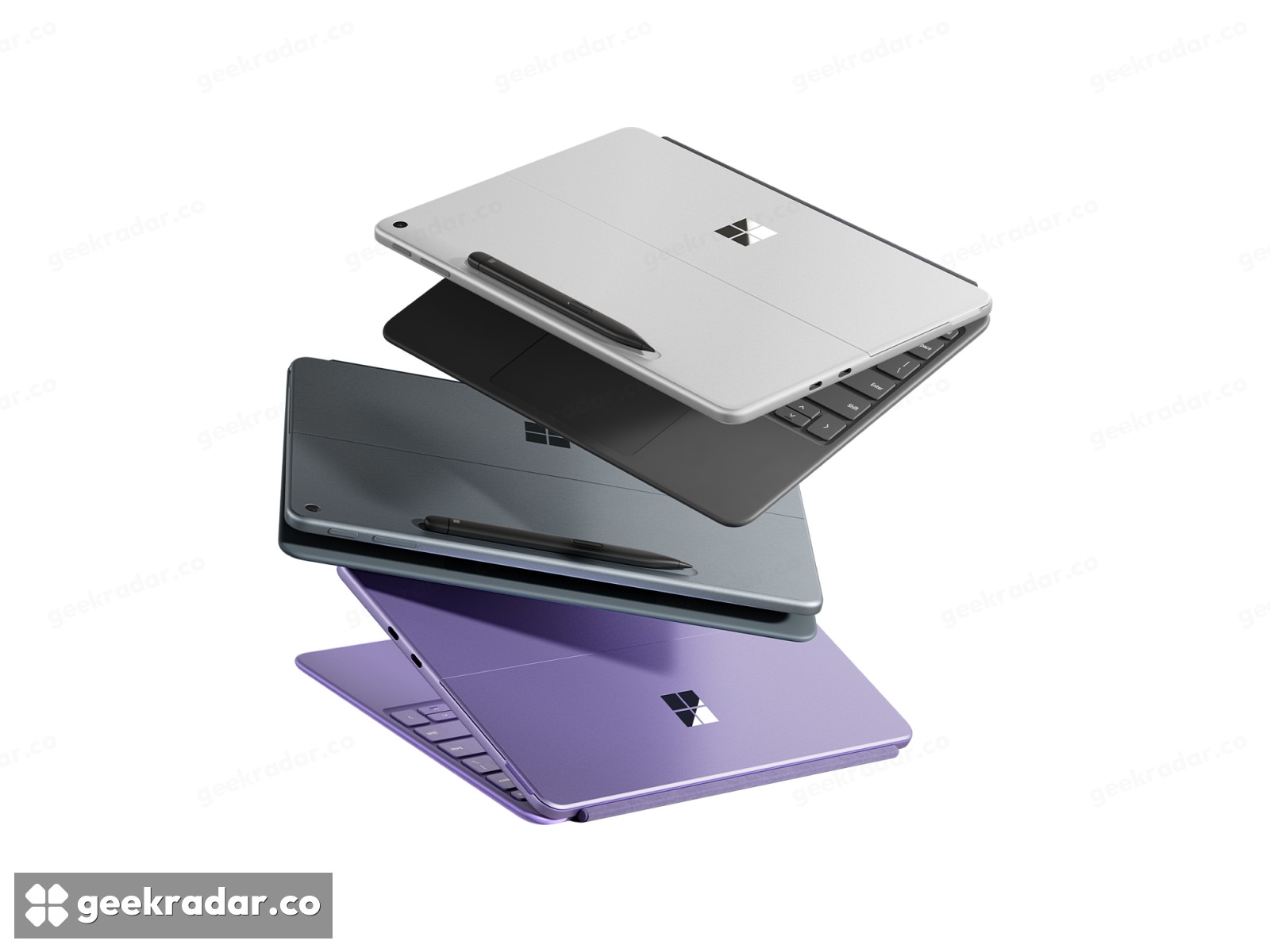
Look at the first-edition 12-inch Surface Pro. Two listings can share that entire name while offering different storage capacities or finishes. Microsoft also photographs the tablet with its keyboard and pen. Those accessories are separate purchases unless the listing includes them. In other words, you can make a very convincing pair of side-by-side screenshots and still be comparing two different baskets.
Bundles are an especially easy trap. If Microsoft reduces the price of the same bundle you bought from its store, its own-price policy can apply. Adding up a discounted tablet at one retailer and a keyboard at another cannot establish a matching bundle. Likewise, a price that requires a flash sale or third-party marketplace seller falls outside the US competitor terms.
If you are still choosing between a Surface and a conventional laptop, price the setup you would actually take home. Once you buy, keep that exact configuration bookmarked. Microsoft allows one adjustment per item, and a lower price has to be verifiable when you ask. The useful bookmark is the page for your particular machine, right down to its color.