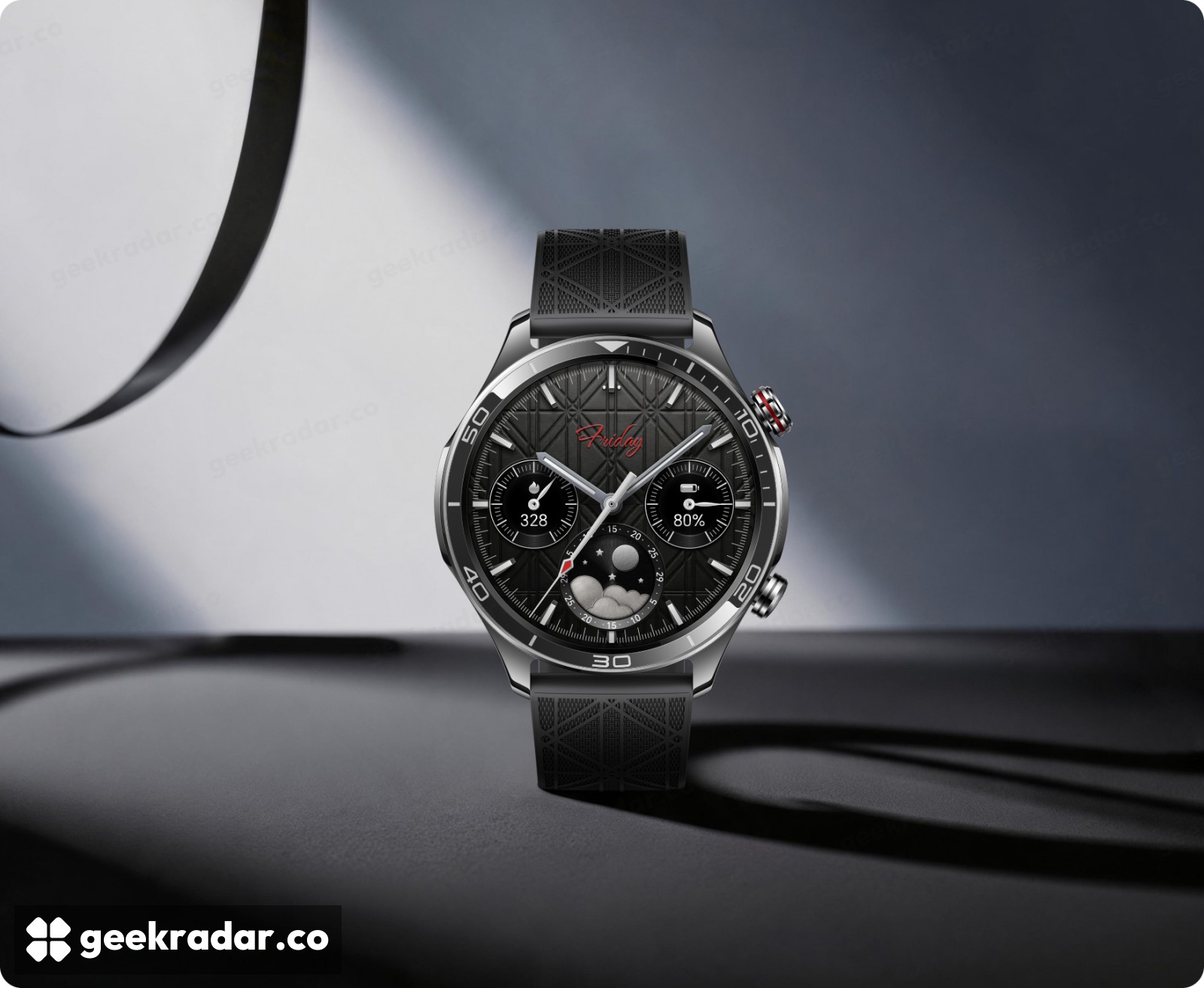
Honor Watch 6 Pro promises 18 days. How much running does that include?
Honor tested three different training weeks. The one behind its always-on battery rating allows half as much GPS exercise as the typical-use test.
Honor’s Watch 6 Pro has reached European markets with two eye-catching figures in its launch materials: a display that peaks at 5,500 nits and up to 18 days between charges. A runner who wants to keep an eye on the clock all day should start with a third number. Honor rates the watch for seven days with its always-on display enabled, and that test includes just 90 minutes of GPS exercise a week. Honor’s display and battery test notes
What the brightness figure tells you outdoors
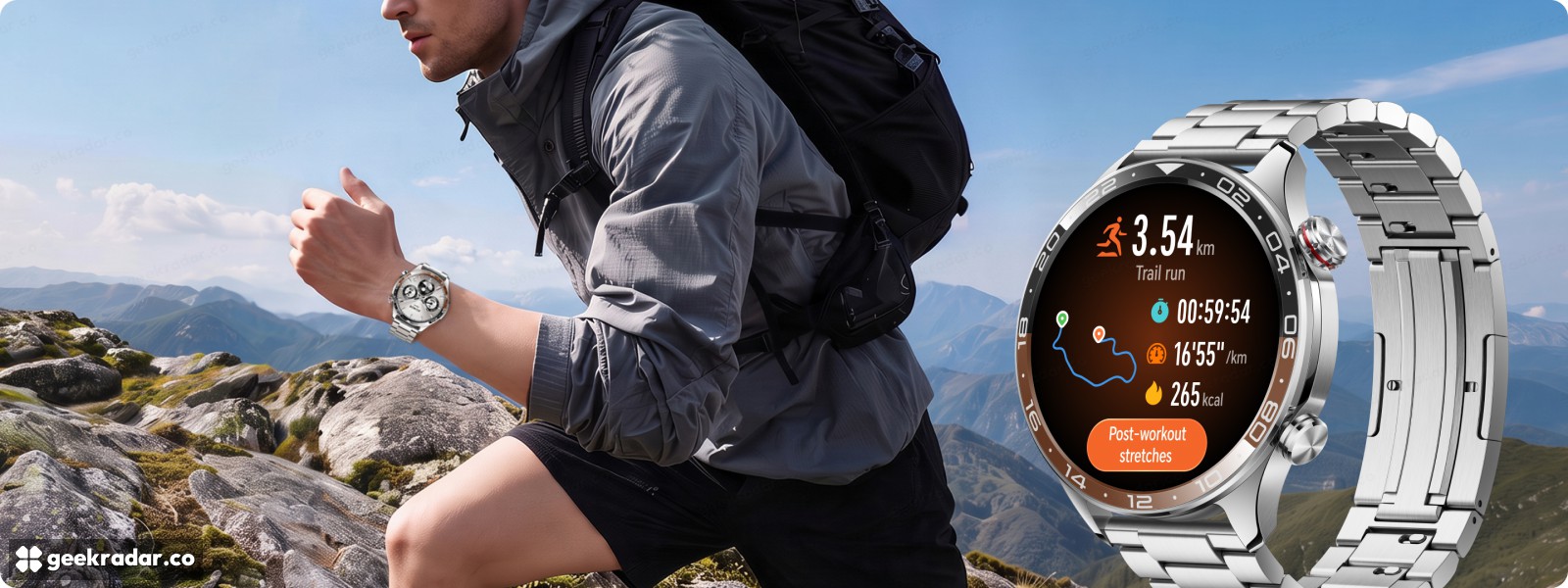
The Watch 6 Pro uses a round, 1.5-inch tandem AMOLED display. A tandem panel stacks light-emitting layers, giving the manufacturer another way to produce more light in the space available on a wrist. A nit measures the light coming off a given area. Extra brightness can make a pace readout easier to pick out when direct sun would otherwise overwhelm it.
Honor quotes two brightness figures. Its rating for global illumination is 4,500 nits, while the higher 5,500-nit figure is a peak that depends on ambient light and what the panel is showing. The published notes give no duration for that peak. A bright numeral on a dark dial and a map filled with pale roads make different demands on an OLED screen. The peak alone cannot tell you how bright the entire map will stay over the course of a run. The European launch coverage from Android Central gives a sense of why that number has attracted attention.
Count the hours you actually train
The more revealing detail in Honor’s battery notes is how the weekly workload changes across its three tests. The longest-running profile still tracks sleep, receives notifications and allows some GPS use. Move to the typical profile and Honor doubles the GPS allowance, doubles the time spent on calls and music, and increases screen activations from 200 to 360 per day.
That last change matters. Subtracting seven days from ten would give the wrong answer to a reasonable question: how much battery does the always-on dial cost? Honor changed the exercise load and the number of wrist raises as well. Isolating the display’s energy cost would require repeating the same week with only the display setting changed.
Honor lists regional stores including the UK, France and Germany in its market selector. Before choosing a watch for a trip, the same exercise we used in our Apple Watch and Garmin comparison applies. Add up last week’s outdoor training. Three half-hour runs fit the GPS allowance behind the seven-day figure exactly. A single two-hour Sunday run takes you beyond it before Monday morning.