What HMD’s reported PureView teaser leaves open about the camera
The Nokia 808 made five-megapixel photos from a 41-megapixel sensor. The Nokia 9 combined five cameras to make one 12-megapixel photograph. The same badge described two very different choices.
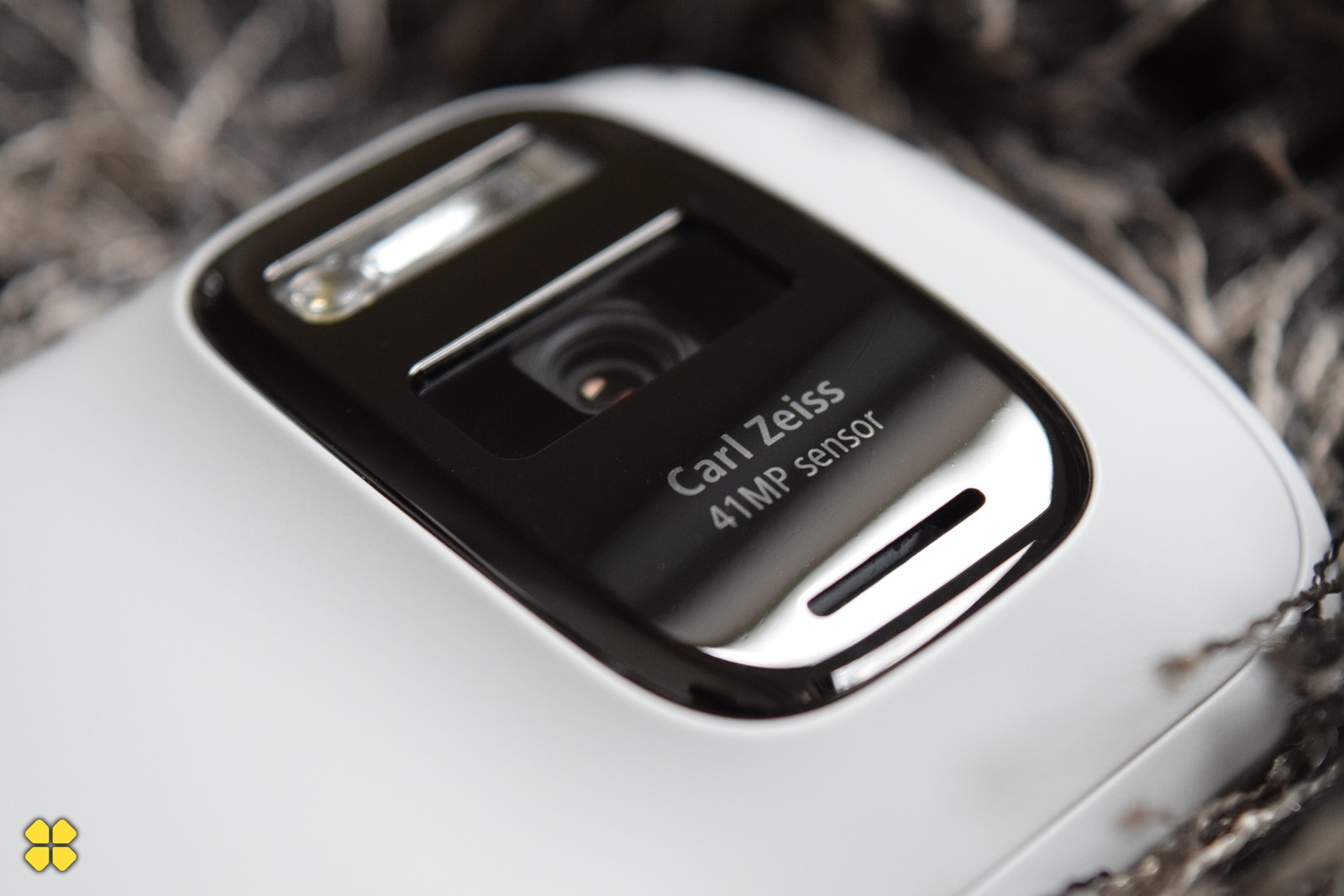
On the back of the Nokia 808 PureView, the number that mattered was stamped right under the lens: 41 megapixels. Seven years later, the Nokia 9 PureView made you count the lenses instead. Both phones earned the same camera badge. They used the light coming through the back of the phone in quite different ways.
That history matters again because Finnish publication SuomiMobiili reports that an HMD employee shared a short video bearing the PureView name. It describes four openings in a circular camera housing and a Schneider-Kreuznach marking. The clip supplies no sensor specifications, price or firm release date. Counting the openings can tell us something about the design in the footage. To understand why it tells us so little about the photographs, it helps to put two real PureView phones side by side.
Why a 41-megapixel sensor made five-megapixel pictures
With the Nokia 808 PureView, introduced in 2012, Nokia had a surplus of samples from one viewpoint. For a typical five-megapixel image, the phone could combine information from up to seven sensor pixels into one output pixel. That technique, called oversampling, helped keep random noise from standing out in the finished picture. A five-megapixel file was a deliberate choice about how to spend the sensor’s resolution. Nokia’s account of the 808’s camera.
Imagine framing a sign across the street. With a wide view, the camera can draw on many sensor pixels to describe each letter. Crop tighter and more of the available resolution goes towards enlarging the sign, leaving fewer samples to combine for each output pixel. Nokia also offered a high-resolution mode of up to 38 megapixels for photographers who wanted to decide on the crop afterwards. The numbers 41, 38 and five describe different stages or settings of the same camera.
Five cameras, one 12-megapixel picture
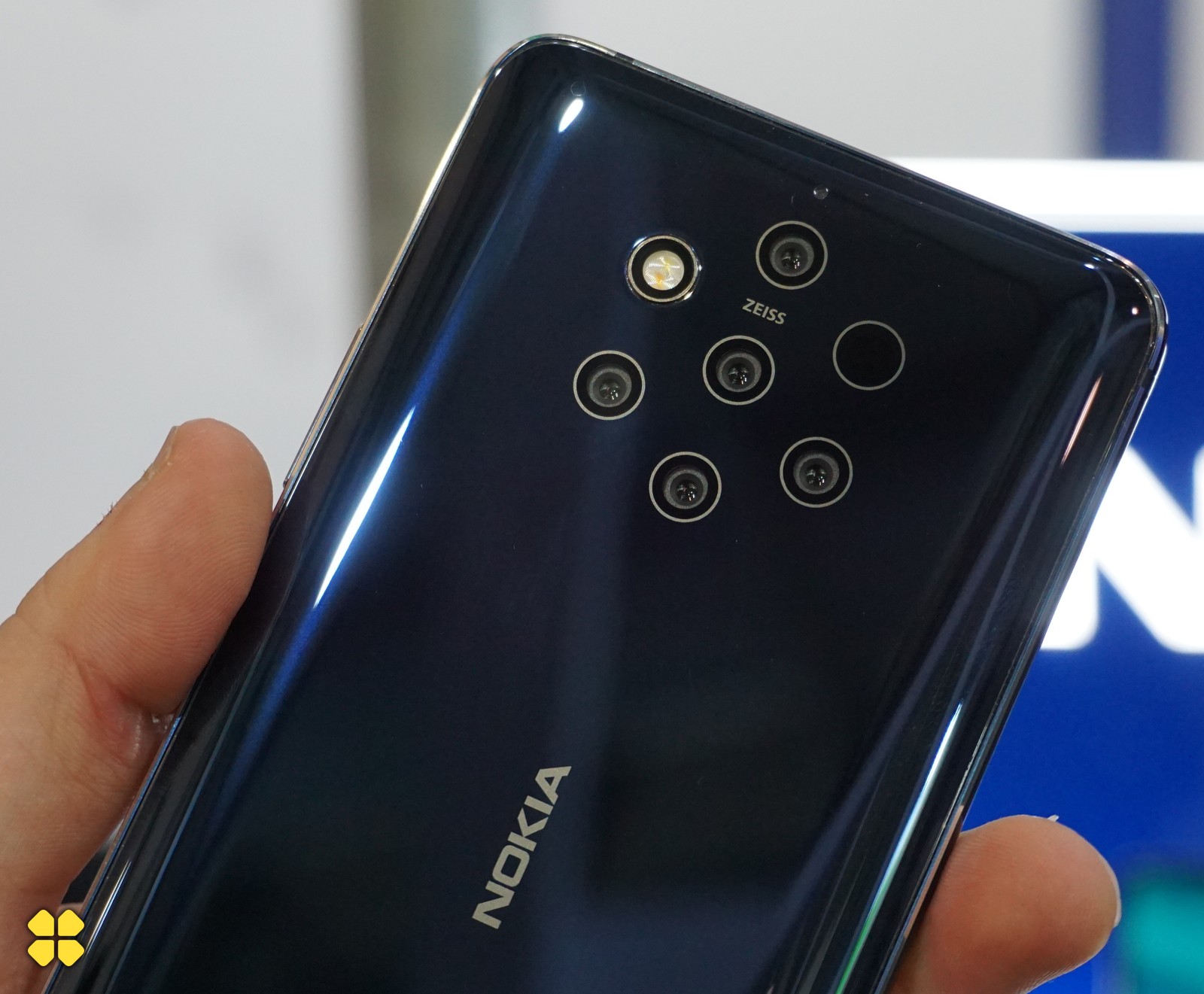
The Nokia 9 PureView took another route in 2019. Its five rear cameras exposed together. Two recorded colour, while three monochrome cameras contributed brightness and detail. The phone combined the observations into one 12-megapixel photograph. Five lenses did not give the photographer five zoom settings, and five 12-megapixel inputs did not produce a 60-megapixel file. HMD’s description of the camera array.
HMD also described a depth map that let the photographer change which part of the picture appeared in focus afterwards. That is a different kind of second chance from cropping the 808’s high-resolution image. One lets you reconsider where the frame ends. The other lets you reconsider which part of the scene the viewer notices first.
A future PureView camera would have a useful question to answer even before anyone tests its pictures: when the shutter fires, which sensors actually contribute to that frame? A camera diagram or a documented shooting mode could answer it. A familiar badge and four circles on the back cannot.
Photographs of the 808 by FJM88NL and the 9 by TGspot, including their display crops, are licensed under CC BY-SA 4.0.