Guild Saga’s PS5 preview makes party building a chain of interactions
Rain, summons and electrified surfaces explain the tactical RPG’s approach ahead of its May 2027 console release.
Guild Saga: Vanished Worlds is coming to PS5 in May 2027, and its most revealing example of combat begins with watering a plant. Ocelot Technologies describes summoning a mandrake, strengthening it with rain and then electrifying the puddles left on the battlefield. Three disciplines contribute to one sequence, making the party’s composition more important than a collection of isolated damage numbers.
The new PlayStation presentation confirms a month rather than an exact release day. It introduces a tactical role-playing game built around customisable companions, flexible skills and environmental interactions. The store listing is open for wishlisting, not a declaration that the PS5 version is playable today.
Build a party around interactions
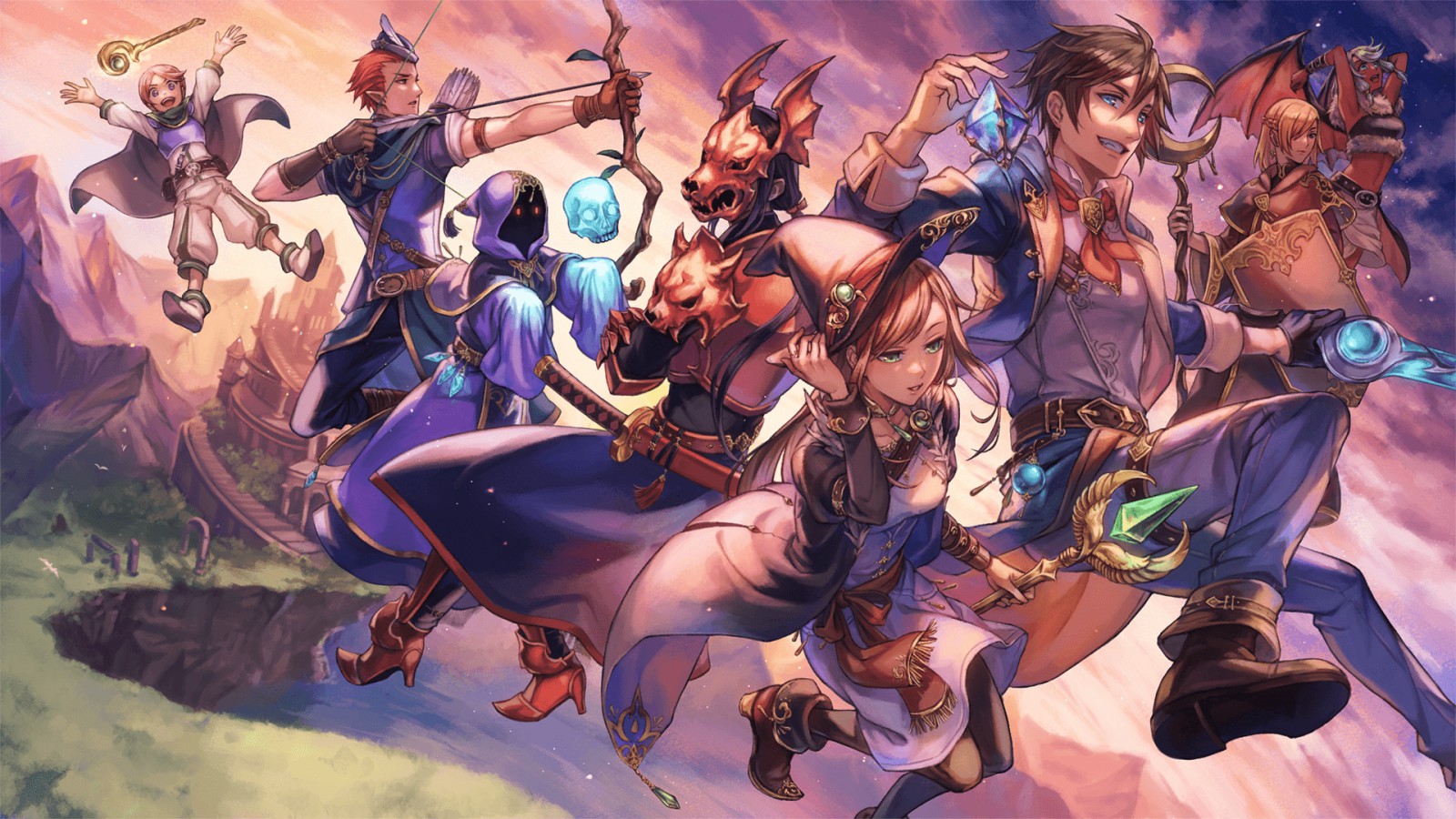
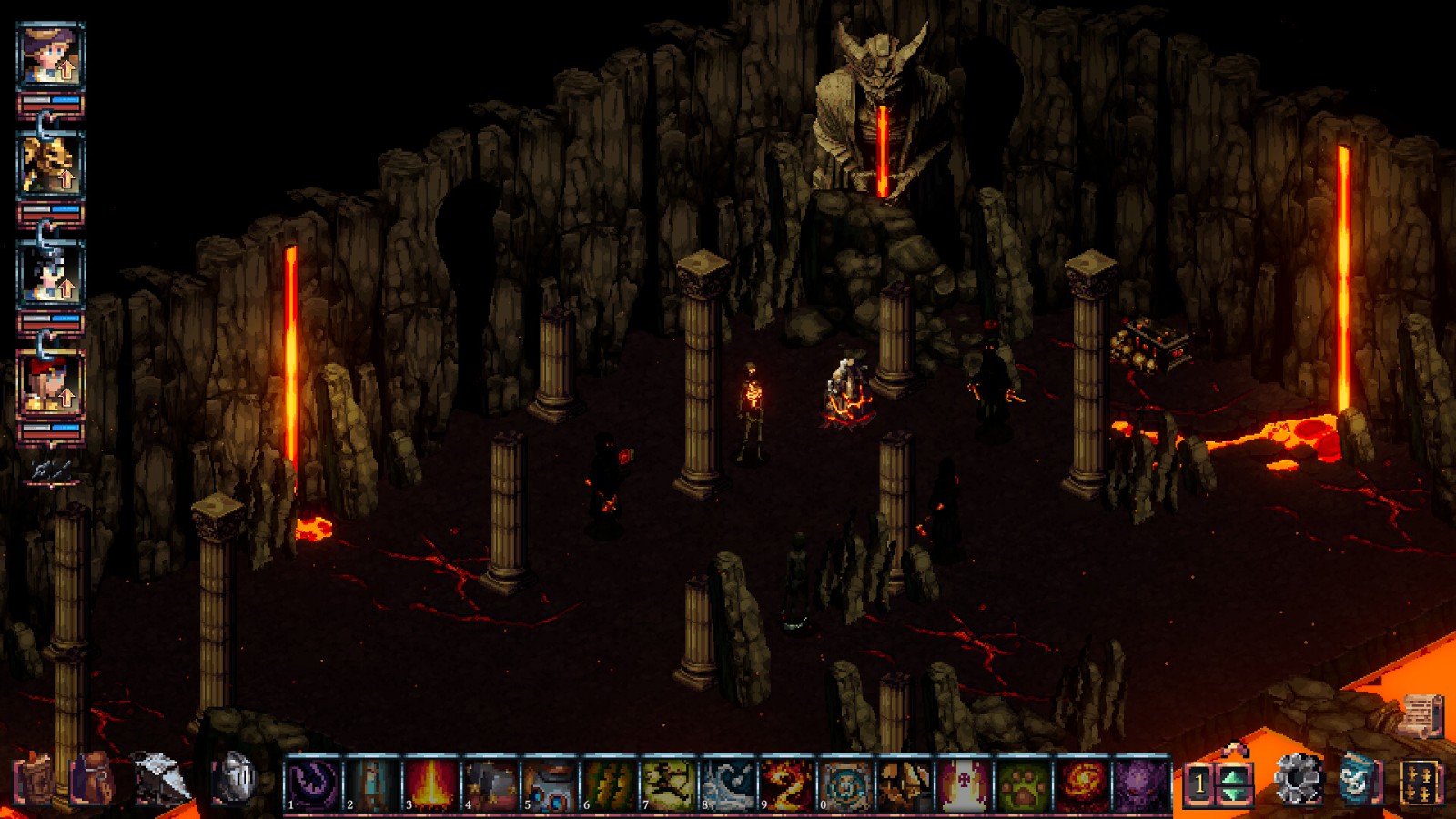
Characters can combine abilities across disciplines instead of being confined to a rigid class. Skills cover direct attacks and healing, but also movement, summons, environmental changes and the order of turns. Companions’ equipment, abilities and attributes can be adjusted, allowing the team to develop together.
The mandrake example explains why that flexibility matters. A Geomancer supplies the summoned creature, a Hydromancer changes the weather, and an Aeromancer exploits the resulting water. The effect of the second action depends on the first, while the third uses a surface that now exists because of the combination.
That is a different planning problem from choosing the strongest individual spell. It encourages players to consider who acts when, which conditions already exist and whether an action creates an opportunity for someone else. The developer’s example demonstrates the intended relationship; it does not establish that this particular combination will be the best strategy across the finished game.
Preparation extends beyond the character screen
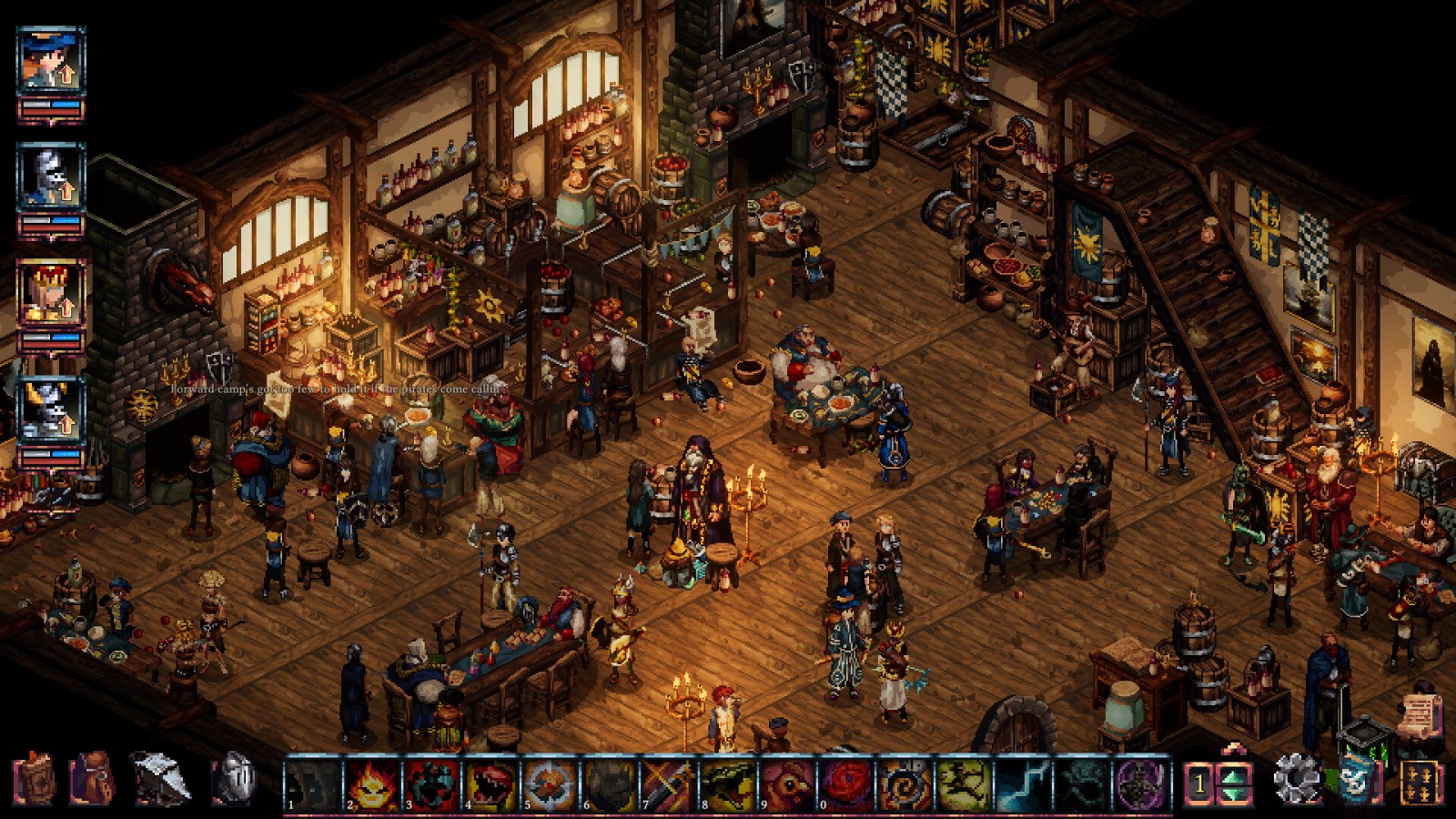
Mining, gathering herbs and looting provide crafting materials for equipment and consumables. That gives exploration a second connection to combat: a detour can produce supplies that alter what the party can do in its next encounter.
The game also places companions inside the story through personal histories, conversations and quests. Their combat roles can be customised without making their narrative identities interchangeable. That separation is promising for players who want to travel with a character they like without feeling locked into a particular team configuration. It remains a design intention described by the developer, not a conclusion from a completed playthrough.
The initial premise is a voyage interrupted by a maelstrom, leaving the party on an unfamiliar island. Beyond that setup, the details of its mysteries and character relationships are best left intact. Optional exploration, crafting and conversations provide enough context to understand the game’s pace without revealing where its quests lead.
A preview with useful practical details
The store lists manual saving, pausing during offline play, difficulty adjustment and a game-speed option among its accessibility features. Those tools matter in a turn-based RPG that can ask players to evaluate several interacting systems. They describe available controls, rather than guaranteeing that every player will find the interface equally comfortable.
There is a small difference between the current descriptions of the skill count: the developer presentation says approximately 200, while the store says more than 150. Both describe ten disciplines. Treating either figure as an exact final inventory would give a precision the sources do not support.
The May window leaves time for that presentation to settle. What already distinguishes Guild Saga is easier to understand than a skill total: one character can create the condition that makes another’s action valuable. If the encounters sustain that relationship, building a party will mean arranging collaborators, rather than simply filling four slots with individually powerful characters.