GTA VI’s Only Raw Records makes music a business inside Vice City
Dre’Quan, Boobie and Real Dimez connect recording, attention and ambition. A spoiler-free reading of their premise, separate from soundtrack release dates.
In this guide
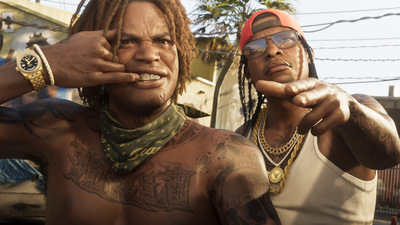
GTA VI’s music story extends beyond the songs playing over a drive. Rockstar’s introductions to Dre’Quan Priest, Boobie Ike and Real Dimez put a record label inside the fictional economy of Vice City. Music is presented as work, ambition and a route to influence, as well as something the player hears.
This is a spoiler-free reading of the official character introductions, not a newly announced management mode. Only Raw Records is part of those characters’ premise. The material does not establish that players can run the label, negotiate contracts or manage a roster themselves.
A studio connects several kinds of ambition
Rockstar introduces Dre’Quan as an aspiring music entrepreneur working with Boobie, whose interests include a club and a recording studio. Their label has signed Real Dimez, the duo of Bae-Luxe and Roxy. Those basic connections are enough to suggest a different view of the city from the one seen through a radio dial.
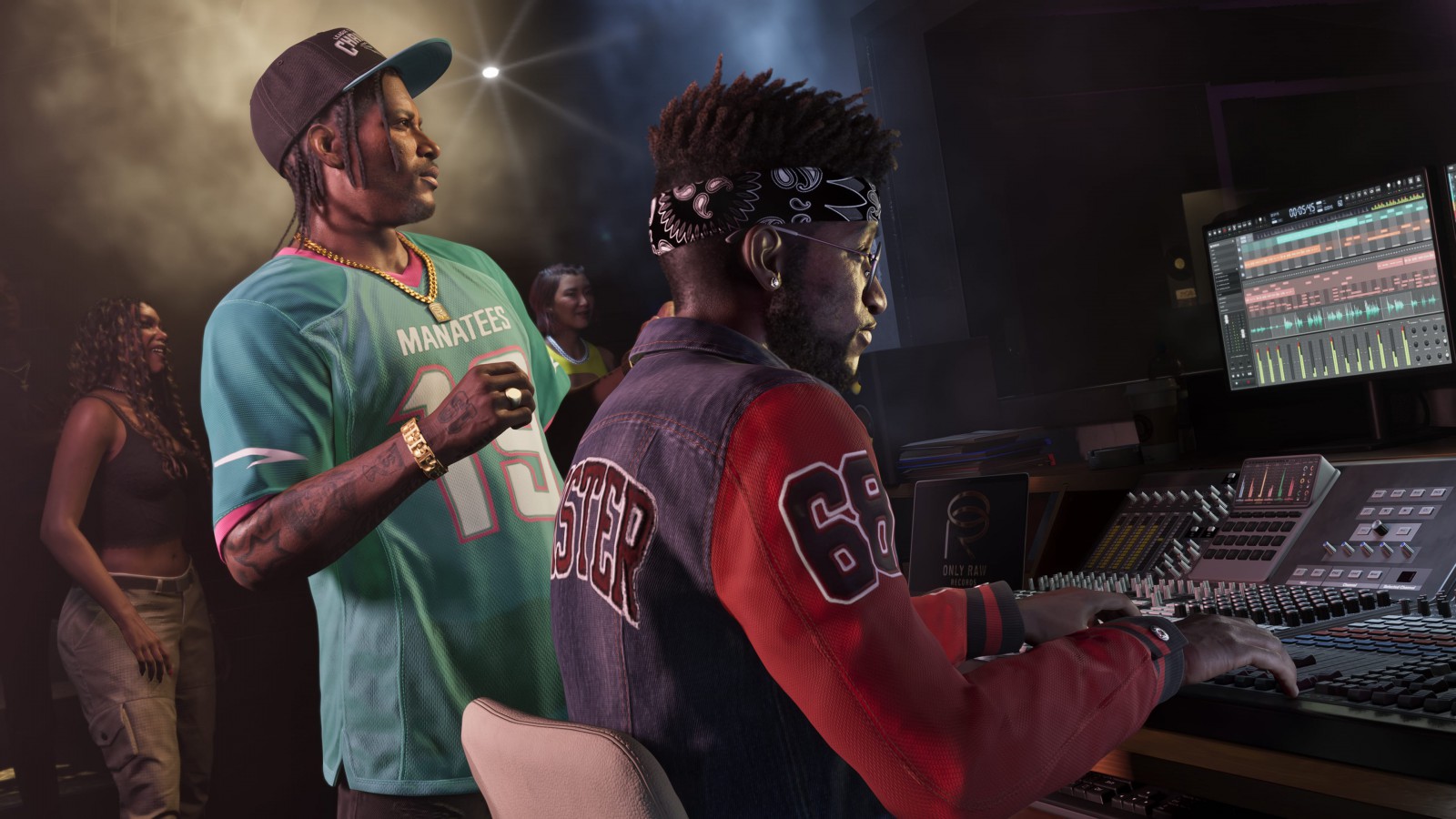
A studio is a meeting point: performers need a recording, a business needs a successful release and a venue needs people to turn up. Even before any plot develops, those goals create reasons for characters to share a room while wanting different things from it.
That makes the setting more specific than a generic celebrity cameo. A famous person can appear and leave without changing how a fictional place is understood. A business with employees, partners and aspirations helps explain how people imagine moving through that place’s social hierarchy.
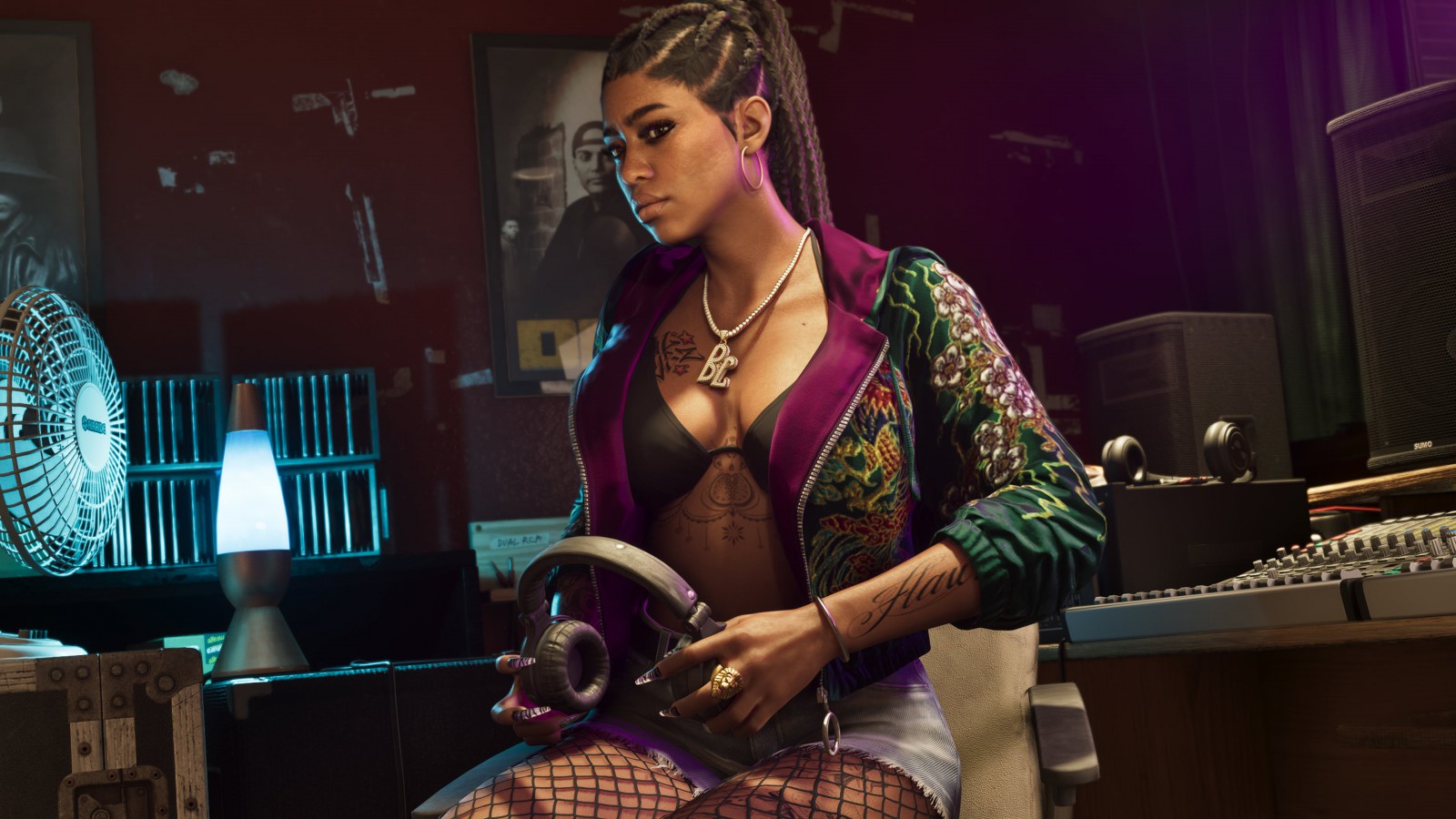
The official studio screenshot supports that reading visually. Equipment, performers and the room around them place the characters in a working environment. It does not tell us how a mission will play, how a deal will end or whether any particular ambition succeeds.
Being noticed and sustaining a career are different problems
Real Dimez’s official introduction connects their music with an energetic social-media presence. That is premise-level context, but it creates a useful tension: attracting attention and building a durable career are related tasks with different demands.
For a fictional label, a track that briefly reaches a large audience might be an opportunity, a source of pressure or both. The characters have reason to care about what happens after the moment of visibility. That is an interpretation of the setup, not a prediction of their story’s outcome.
The distinction lets a game use the same medium in two ways. A song can set the mood for a journey. The effort to create or sell a song can explain a character’s choices. One supplies atmosphere; the other can give the city a social structure.
Keep the label separate from the release calendar
Rockstar’s music section covers the actual score, soundtrack and selected radio material. Those real releases have their own artists, credits and availability. The fictional Only Raw Records should not be treated as a factual credit for every recording marketed alongside GTA VI.
Our guide to the game’s separate album releases handles that listening calendar. The character material answers another question: what music means to people who live inside Vice City.
That is the promise worth carrying into the game without spoiling it. The studio is a place where somebody expects the next session to change their prospects. If the setting makes that ambition understandable, a room full of recording equipment can tell us as much about Vice City as another view of its skyline.