Gemini can load tools on demand. When does that actually save tokens?
Google lets developers defer a function’s instructions until Gemini needs them. A server-side search can read the conversation again, which changes the bill for longer support cases.
A customer asks whether a parcel will arrive on Tuesday. The assistant may need one function to look up a shipment. It can answer without reading the instructions for changing a billing address, issuing a refund or booking a repair. Google’s new Tool Retrieval preview lets developers put those instructions aside until Gemini needs them. There is a catch worth finding on the first test invoice: asking for a set of instructions can make the model read the conversation again.
Google announced the preview on November 19. It is available through the beta Interactions API on supported models, including Gemini 4 Hydrogen. An application using the separate generateContent method would have to change how it calls Gemini to use the feature.
What Gemini knows before it searches
Every function has a name, a description and a parameter schema: the specification for what the application expects to receive. A shipment lookup might need an order number and a postal code. A refund function might also require an amount, a currency and a reason. Spelling all that out helps the model produce a usable request. Doing it for a hundred functions can consume input tokens before the customer has even asked a question.
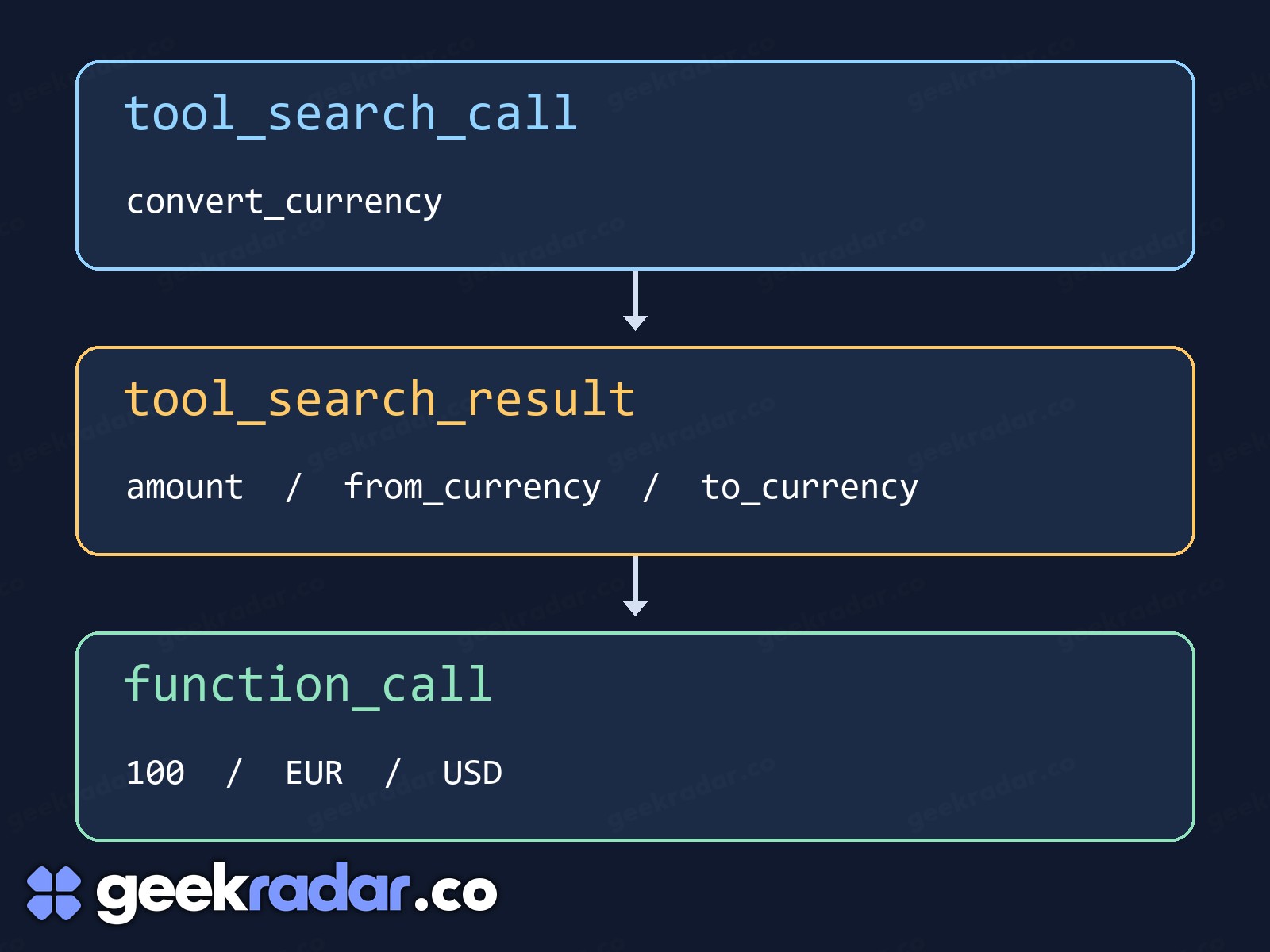
With server-side retrieval, the application still supplies the complete declarations. For a deferred function, Gemini initially sees its name and short description. When it needs the details, it requests the schema by name and can then produce a function call. The application can inspect the search, the result and the requested call separately. In our parcel example, that means a developer can see whether a delivery question sent the assistant looking for the refund tool before any business system acts on it. Google’s tool retrieval guide
That gives the first sentence of a tool description a practical job. Consider two functions both described as “look up a customer.” One retrieves billing details, the other retrieves support history. A longer list of fields might make the difference obvious once the schema is open. To choose which schema to open, Gemini needs the distinction earlier.
Where the extra tokens show up
Google charges the model’s ordinary token rates. A server-side search takes place inside the same API request, but triggers an additional model call with the conversation and the retrieved schemas. The input for that step appears in total_tool_use_tokens. A schema that has been retrieved stays in context for the rest of the conversation. The billing section of the developer guide explains both effects.
For a team already tracking Gemini 4 Hydrogen’s context window and rates, the revealing comparison is the same completed case under both configurations. Look at ordinary input (total_input_tokens), search-step tokens, the tools actually called and whether the customer got the right answer. A smaller opening prompt is easy to demonstrate. A cheaper resolved delivery enquiry is the result worth paying for.