CrowdStrike agrees to buy Zscaler for $43.9 billion. Their products already talk to each other
A laptop’s Falcon score can already help decide whether it may open a private app. The deal would put the data behind that decision and the contract for both products under one owner.
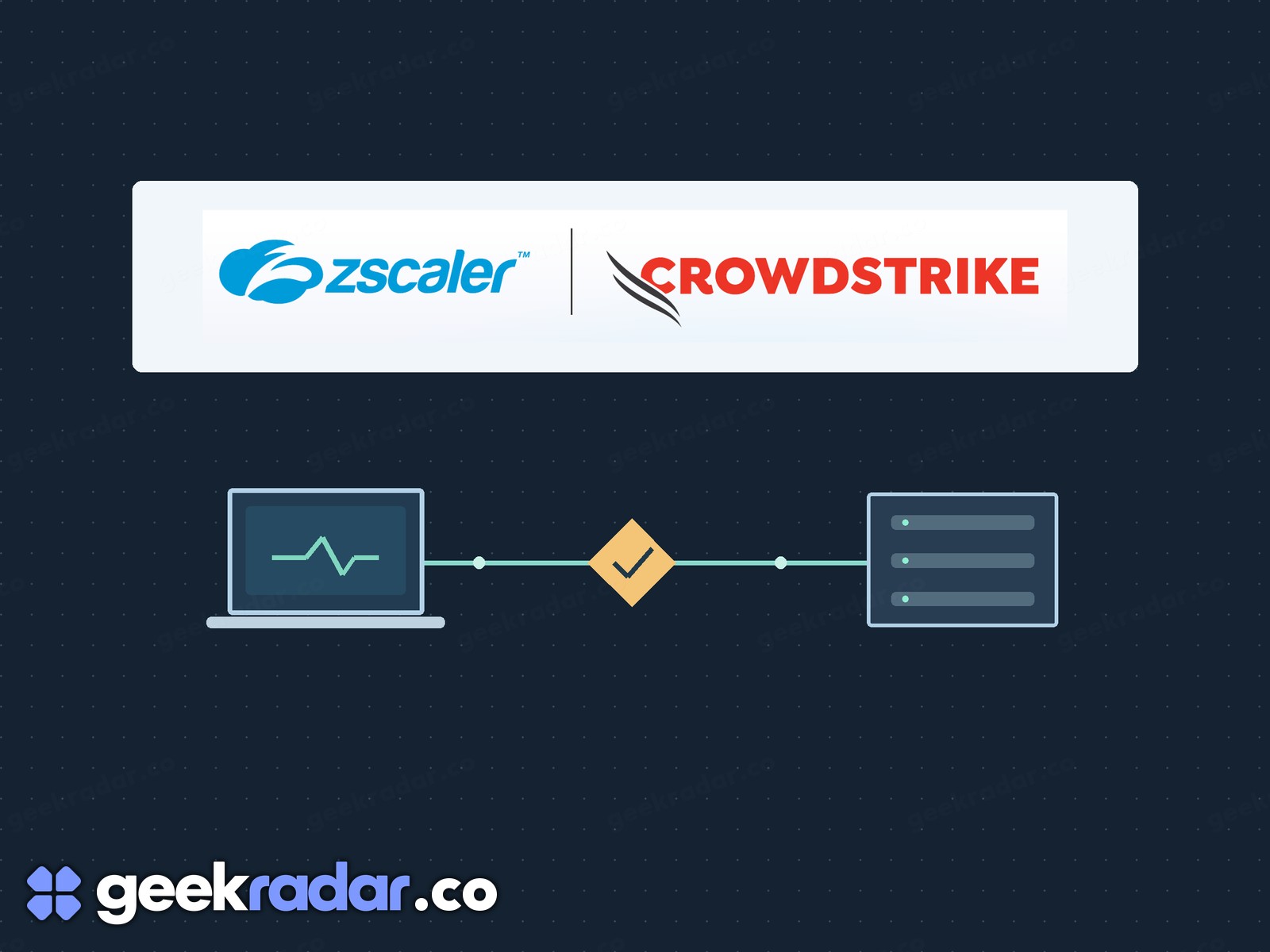
CrowdStrike has agreed to acquire Zscaler in an all-stock deal the companies value at about $43.9 billion. One reason to look twice at that price is what customers can already do. A business can use CrowdStrike Falcon to assess a laptop and have Zscaler consult that assessment before the laptop reaches a private application. The companies count 16 existing integrations and more than 2,000 customers in common. What CrowdStrike is buying is the business on the other side of a connection it helped build.
The decision at the laptop
Imagine an employee opening the company’s payroll app from home. The password and second factor tell the employer something about the person signing in. They don’t tell it whether the laptop meets the security requirements for payroll. Being back at a desk in the office wouldn’t settle that question either. That distinction is central to NIST’s definition of zero trust: network location alone is a poor basis for granting access to a resource.
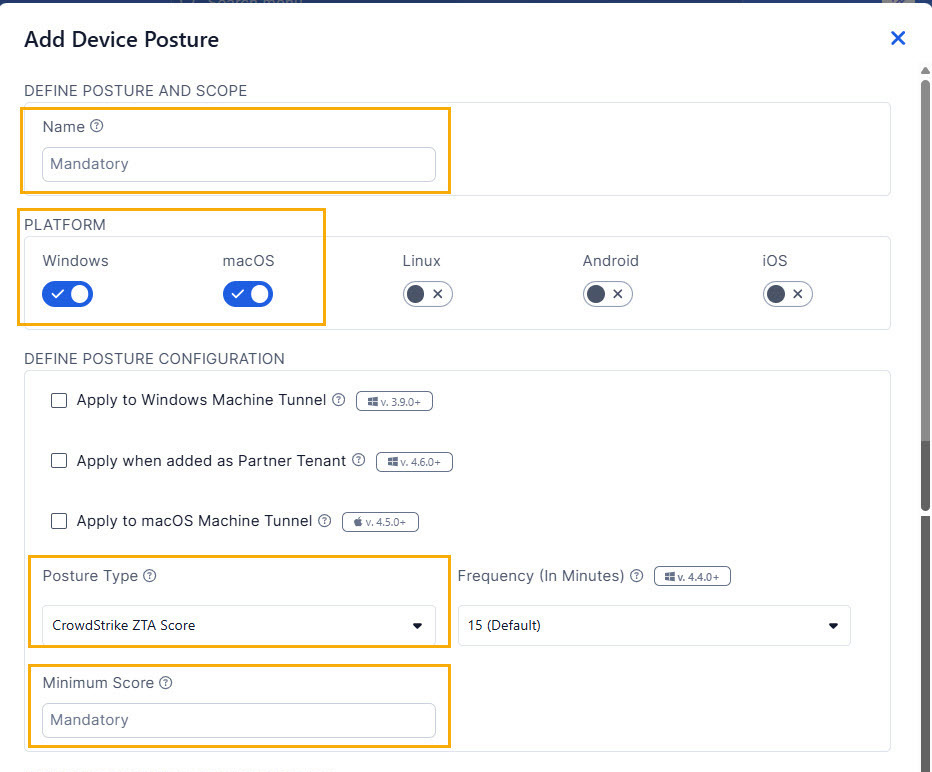
Zscaler’s deployment guide for the two products shows how an administrator could handle that problem before the acquisition was announced. CrowdStrike calculates a score from information about the operating system and its security sensor. In Zscaler Private Access the administrator picks a minimum acceptable score, then uses that check in the policy for the application. The product documentation spells out a small but important detail: a score equal to the minimum passes the check.
Say the employer chose 75. A laptop scoring 74 would fail that condition. At 75 it would satisfy it, although the employee would still have to meet the application’s other access requirements. Two people using the same Wi-Fi can therefore get different answers when they open the same app. A customer can implement that distinction today without awaiting a merger or handing either vendor every decision about access.
What a single contract would change
CrowdStrike wants to bring Zscaler’s connection data together with the activity Falcon can see on devices. For a security team, the attraction is being able to follow one incident from a laptop to an application without first reconciling two sets of records. For the purchasing department, the attraction is more prosaic: CrowdStrike says customers would be able to buy both product ranges through one Falcon Flex contract after closing. It counts roughly 8,000 Zscaler customers who don’t already buy from CrowdStrike.
A common sales contract and a common set of security records are different deliverables. A buyer comparing bids can ask which records are actually available together, who can read them and how long each service keeps them. Those distinctions can matter even when suppliers use the same terminology, as OpenRouter’s changes to its zero-retention routes recently illustrated.
For now the two businesses continue to operate independently. The terms filed with the SEC specify 1.135 CrowdStrike shares for each Zscaler share. The headline valuation uses CrowdStrike’s November 20 closing price. The companies expect completion in the second half of CrowdStrike’s fiscal 2028, subject to a Zscaler shareholder vote, regulatory clearance and other closing conditions. An administrator can change the minimum score for payroll today. Deciding whether to trust a single provider with both the device evidence and the access decision is the choice this deal would put on the next purchasing agenda.