Renfe warns that its ticketing breach may have exposed passengers’ travel histories
Identity document numbers and protected passwords are also among the potentially affected records. Renfe is asking passengers to check refund messages independently, even when they cite a real trip.
Renfe is asking registered passengers to change their passwords after an intrusion into systems used to sell train tickets. The Spanish rail operator’s notice to affected passengers lists identity document numbers, protected passwords and information about tickets and completed journeys among the data that may have been exposed. A message that names a trip you really took deserves the same scrutiny as one that gets the destination wrong.
The suspected access dates to September 24. The reason for renewed attention in November is the notice reaching passengers. Europa Press reported on the notifications on November 20, and on November 23 Spanish fact-checker Maldita examined examples of genuine messages after readers asked whether they were scams. Those findings establish that Renfe has been contacting customers. They cannot authenticate the next message to arrive on your phone.
What changed after the first statement
In its September 25 statement, Renfe said the initial evidence pointed mainly to names and email addresses. At that stage it had seen no evidence of access to identity document numbers or payment information. Renfe subsequently issued a public warning on September 28. The passenger notice now specifically includes Spain’s DNI and NIE numbers, or equivalent identifiers, among the records potentially affected. It also says passwords had cryptographic protection that prevents direct reading. Renfe has yet to establish the full scope, and the list does not establish which fields were exposed for an individual traveller.
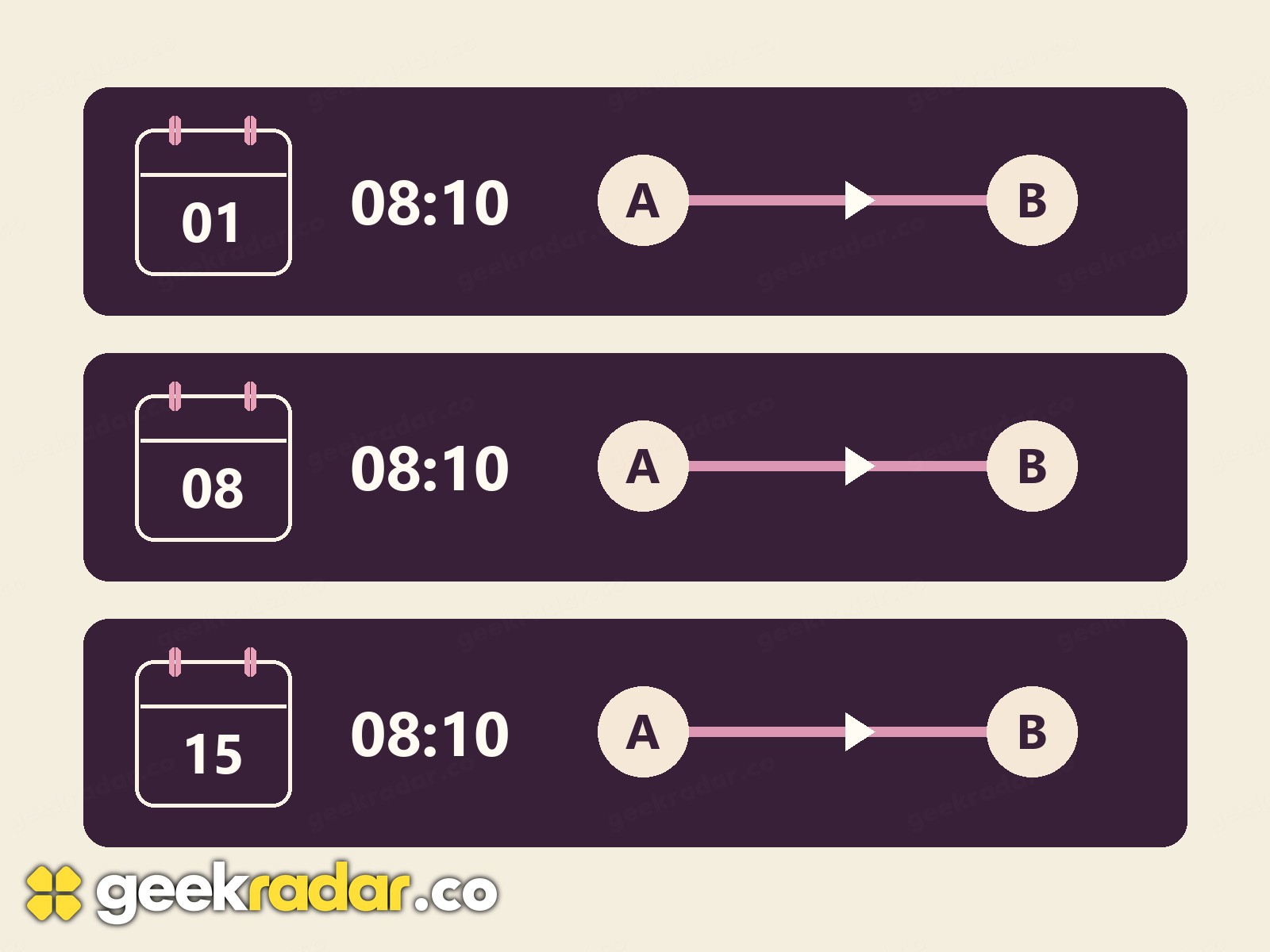
A ticket carries a different kind of risk from a password. One journey can reveal where someone went on a particular day. Several journeys on the same route at similar intervals may reveal a routine. Renfe identifies that possibility in its notice and says it has no evidence so far of fraudulent use resulting from the incident. Changing a password helps protect an account going forward. It does nothing to make last month’s trip private again.
If a refund message names the right journey
Suppose a text offers compensation for a train you remember taking. The reservation detail may be accurate even if the request for a verification code is fraudulent. Open Renfe’s website independently and use its listed contact channels to check the claim. The same impersonation risk in everyday conversations can arise before anyone sends a link. Keep passwords, one-time codes and bank details out of the exchange. The company’s notice warns specifically about unexpected messages mentioning journeys, reservations and compensation.
For registered users, Renfe recommends changing the account password promptly. If you used it for another service, replace it there too, choosing a different password for each account. For everyone who bought a ticket, the more durable precaution is simpler: let the journey detail tell you which booking to check, and let the official channel tell you who you are talking to.