Can Bluetooth’s new 7.5 Mbit/s radio carry lossless music?
A second of 24-bit, 96 kHz stereo takes 4.608 million bits before compression. The packet format can decide whether the fastest Bluetooth LE mode has room.
A second of uncompressed stereo music at 24 bits and 96 kHz contains 4.608 million bits. Bluetooth Low Energy now has a radio mode rated at 7.5 million bits per second. On paper the music fits, with room to spare. Whether it gets through a pair of wireless headphones intact depends on what the two devices do with the time between packets.
The Bluetooth Special Interest Group announced High Data Throughput on November 4. On November 19, Novel Bits put numbers to the difference between radio speed and useful data. Its Nordic Semiconductor-sponsored analysis calculated that one configuration of the fastest mode could deliver about 4.01 Mbit/s to an application. That falls short of our example. Another packet format on the very same radio could carry more. Neither figure is a headphone test.
What a faster radio buys
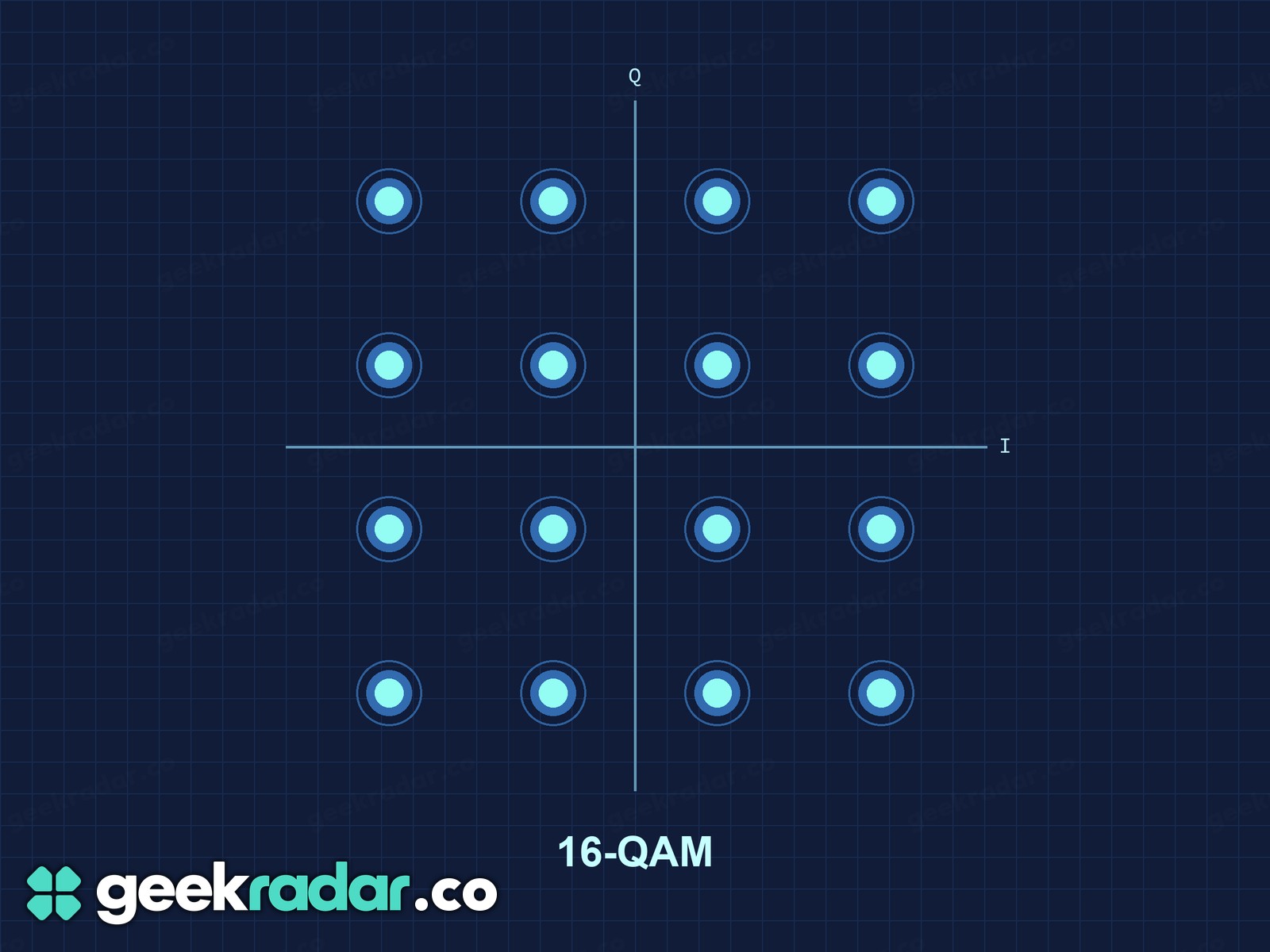
The familiar 2 Mbit/s Bluetooth LE radio and the new HDT radio both send two million symbols each second. A symbol is one choice of signal from a set the receiver knows how to distinguish. The highest HDT modes give the transmitter 16 possible choices for each symbol. Sixteen choices can encode four bits. Some of that capacity goes toward protecting the transmission against errors. The SIG’s technical overview breaks out the resulting rates and the capabilities a device must implement.
For someone reading a box, the fine print is consequential. HDT itself is optional in Bluetooth Core 7.0. Within HDT, the 2, 3 and 4 Mbit/s modes form the baseline. The 6 and 7.5 Mbit/s modes are optional, and the two ends of the link need compatible transmit and receive capabilities. A version number on the phone and a matching one on the headphones still leave the speed of that particular connection open.
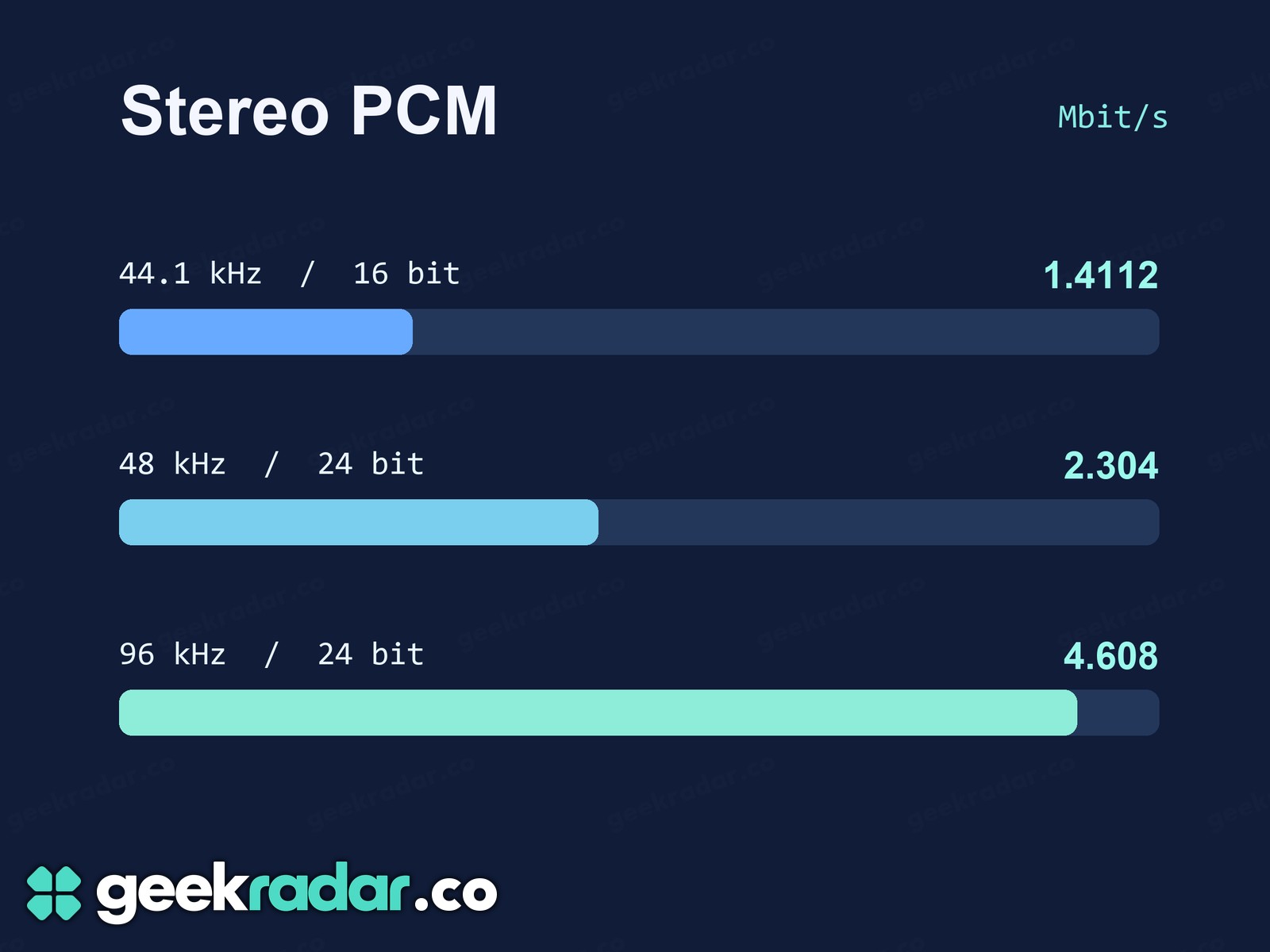
Count the samples before counting the packets
Start with a 48 kHz stereo recording. Each second brings 48,000 samples for the left channel and another 48,000 for the right. At 24 bits apiece that makes 2.304 Mbit/s. Double the sampling rate to 96 kHz and the music requires twice as much capacity, even if it is the quietest passage on the record. These figures describe uncompressed pulse-code modulation, or PCM.
Now take the 4.01 Mbit/s example. It assumes a continuous, one-way, unencrypted transfer with default gaps between packets. Sending the next piece involves time for the receiving radio to acknowledge the last one. Longer packets spread that cost over more useful bytes. Novel Bits estimates around 6.4 Mbit/s in a second calculation using optional packet format 1. That figure depends on how the application fills the packets. Music also has deadlines: a file transfer can pause to resend data that a listener needs before the next beat.
A lossless file on the phone settles only the first part of the journey. The Nine Inch Nails live archive offers a good example of what such a file preserves. Press play over wireless headphones and the phone may encode that recording again for transmission. The most useful promise on a future pair of headphones would say which phone it works with, which codec preserves the samples and at what audio resolution. “7.5 Mbit/s” tells you how quickly the radio can speak. Those other details tell you what reaches your ears.