Inside Apple HomeView, the speaker broke before the glue gave way
iFixit found a replaceable USB-C port behind four screws. Reaching the A18 board in the same smart display put two speaker connections at risk.
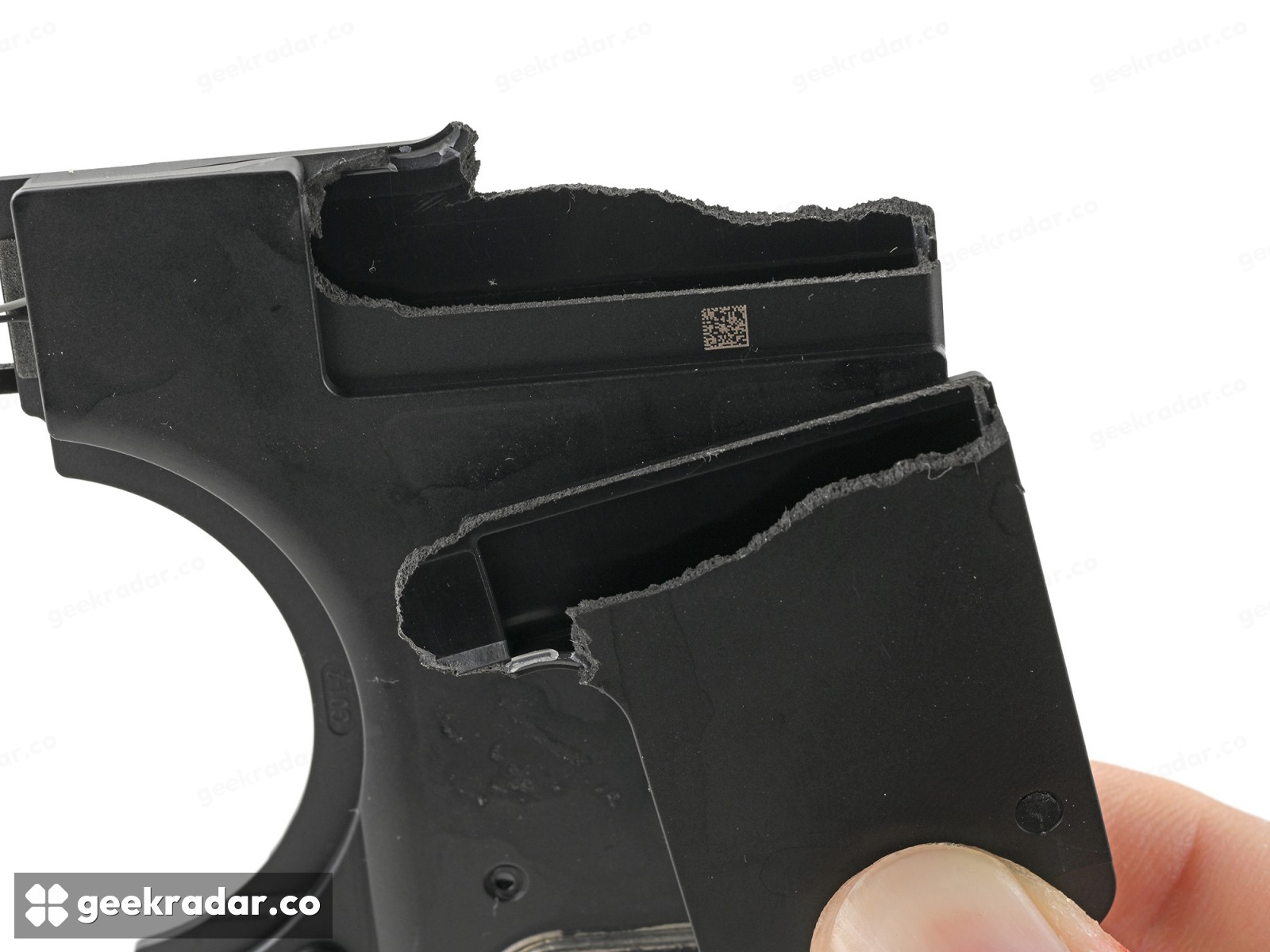
The USB-C port on Apple’s HomeView sits behind a peelable foot and four screws. Reach for a speaker behind the display and the odds change considerably. In iFixit’s teardown of the speaker-base model, adhesive held one speaker so firmly that its housing snapped as the team tried to lift it out. Both discoveries came from the same device. Which part needs attention matters a great deal more than the label “smart display” suggests.
Two speakers in plain sight
HomeView puts a seven-inch screen above a rounded base. With a speaker grille at the bottom, it would be easy to assume the sound hardware lives down there. A CT scan showed something different. Two speaker assemblies occupy much of the space immediately behind the display. The woofer lives downstairs.
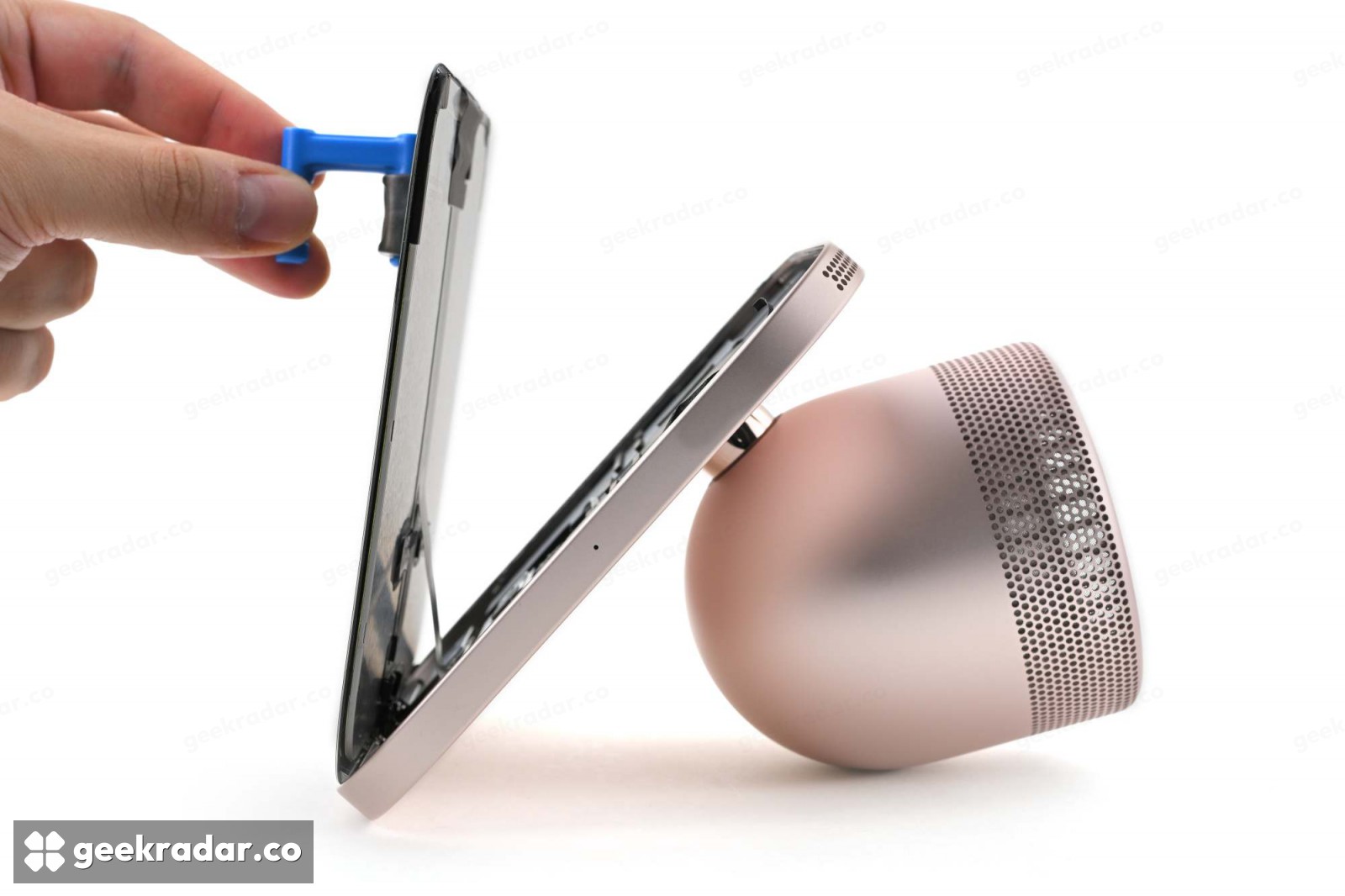
To reach the upper pair, iFixit had to lift the front glass. The aluminum enclosure carried heat away from the adhesive the technicians were trying to soften. Once they had the screen up, even the little bracket over the display connector called for two screwdriver tips, Phillips at one end and Torx at the other. Switching bits costs a little time. The speaker connections cost the technicians actual parts.
On the left, the wires pulled free while the plug stayed on the board. On the right, the team tried removing adhesive and applying heat before attempting to separate the connector. That one sustained damage too. The photograph below shows a separate problem. Solvent reached the underside of a speaker and dripped through the grille, yet the adhesive pads still held when the housing fractured. A technician doing unrelated work on the board could therefore face a second repair just from disconnecting the sound system.
What the aluminum back does for the A18
iFixit identified an Apple A18 beneath 8 GB of memory. A metal shield clips onto the underside of the thin circuit board and adheres to the rear enclosure. That gives heat a path out to the aluminum shell. It also explains an unnerving moment in the teardown. The board resisted lifting even after the visible fasteners were gone, and pulling harder put force into the board while the shield stayed anchored below it.
A port worth getting to
The underside tells a more encouraging story. After removing the foot and bottom plate, iFixit could release a taped connector for the USB-C flex cable. The port is a separate assembly. Going farther into the base is trickier. The woofer cable was so short that the team could barely reach its release, let alone see how to reconnect it.
Apple sells the two HomeView configurations as different ways to place its shared home screen. The teardown adds a detail that the product photographs can’t convey. On the tabletop unit, a worn power socket can leave the expensive glass alone. Even an intact upper speaker may have to be sacrificed on the way to the board behind it.