Why GTA VI lets Jason and Lucia hold hands
An animation built for one mission became a choice players can make on an ordinary walk. Rockstar’s account explains why even getting into a car changed when its protagonists became a couple.
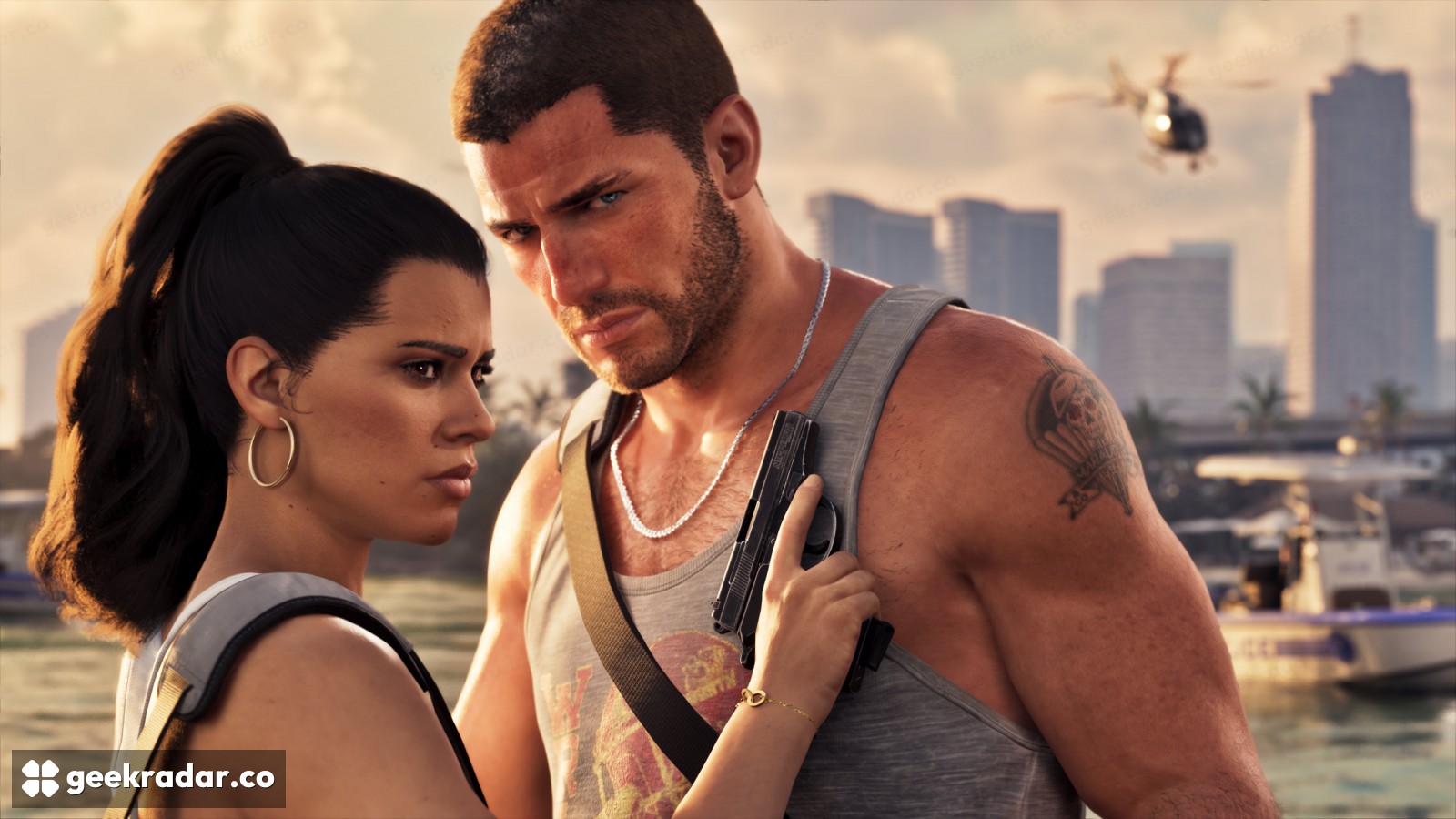
The option to hold hands in Grand Theft Auto VI began as a piece of animation for one mission. Rockstar’s gameplay and animation teams liked what it did for Jason Duval and Lucia Caminos enough to bring it into the open world. David Hynd, Rockstar’s vice president of technology, described that decision in an interview with Restart. It explains something easy to miss on a first walk through Vice City. The player gets to choose when a scene like that begins.
What a second person changes about opening a door
Consider getting into a car. One character can walk straight up to the door and climb in. Put a partner a few steps behind them and that same brisk animation can look oddly rude. Hynd says the team considered having one protagonist wait and look back before getting into the car. Similar attention went into holding a door, the direction of a glance and the expression on a face. Playing with both characters made the absence of those responses conspicuous to the developers.
There is a practical difference between those details and the hand-holding prompt. A glance can pass without the player doing anything. Reaching for a hand gives the player a small part to perform. In Rockstar’s rooftop sequence, the pair approach the bar on foot and the PlayStation prompt appears at the edge of the screen. The bar is still there if the player simply walks on. There is no need for a dialogue choice to interrupt the approach and ask what these two people mean to each other.
The traffic between missions and ordinary play runs in both directions. Rockstar told GamesRadar+ about building its missions out of more of the same systems that operate in free roam, giving players room to try their own approaches. Hand-holding made the reverse trip. The animators had already solved a problem for a particular scene. Keeping their work available afterward gave the player something to do on an otherwise uneventful walk.
When the game notices
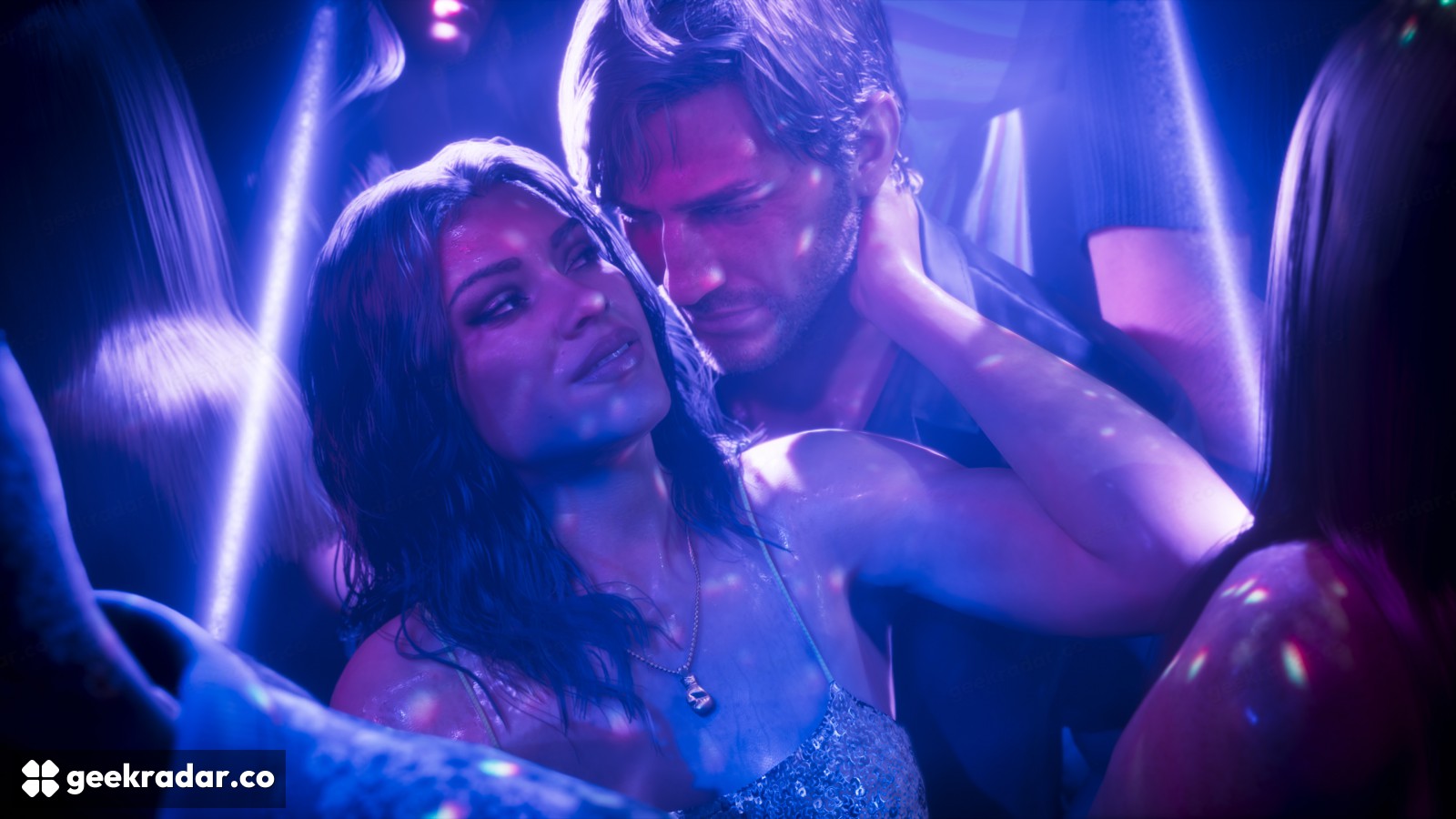
There is feedback for some of these choices. In PC Gamer’s account of playing the released game, positive interactions could produce a chime and a small heart. The publication observed four relationship levels and counted holding hands, sharing food and dancing together among the actions that could improve the pair’s standing. It also reported that answering a partner’s texts mattered. The game can acknowledge a little consideration even when the two characters are on opposite sides of town.
That gives a player two ways to read the same evening. A dance can advance the couple’s rating. It can also be what Jason and Lucia went out to do. The available observations establish the four levels and examples of what moves them. A single playthrough at a high rating cannot establish every consequence of spending the story at a low one.
Hynd’s most revealing example is still the pause by the car. A player eager to drive away may scarcely register it. A player watching the other side of the street sees one person checking whether the other is coming. The destination is identical. A second of animation changes who appears to be making the trip.