
GTA VI lists 277 names under Translation. A localization audit says some are missing
Rockstar names individual translators and separately credits an agency. An audit citing anonymous sources raises a question the published list alone cannot answer.
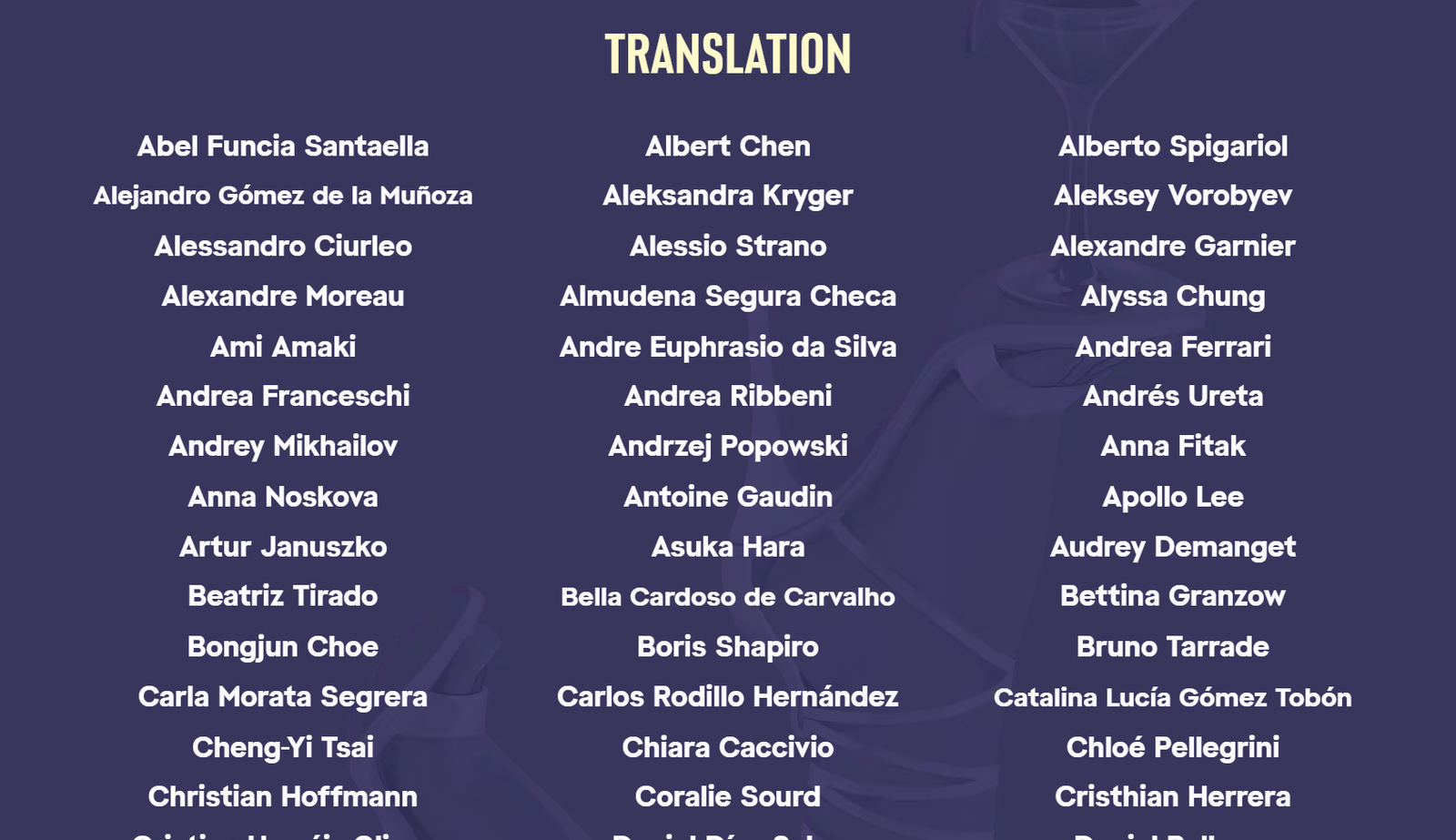
Rockstar’s public credits for Grand Theft Auto VI list 277 names under “Translation.” A new audit by the game-localization project Loc’d and Loaded says more than twenty localization contributors were left out, citing several sources who spoke on condition of anonymity. A count of the names on Rockstar’s website can establish how many acknowledgments appear under that heading. It cannot establish how many people did the work.
That distinction matters here because the people visible in the credits and those described by the audit are two different groups. The auditors did not publish a roster of the people they say are missing. Nor did they identify the affected language teams. There is no sound way to turn 277 and “more than twenty” into a percentage of translators credited.
What Rockstar’s list actually records
The official credits give translation its own heading and list individual names without a column for language or assignment. Counting the entries in that section gives 277. Elsewhere on the same page, a separate acknowledgment for additional translation names The HALP Network. An individual credit and an agency credit answer different questions. An agency name can tell a reader which organization delivered work, but it cannot identify which of its contributors translated a particular line.
The November 25 audit examined nominees for The Game Awards. Its GTA VI finding drew attention in Pograne’s reporting, which also checked the published list. The report attributes the alleged omissions to rules for crediting contributors. The rules themselves are not reproduced in the public credits. The material available establishes what the project’s sources allege, without resolving why any particular person was left off.
Why a freelancer needs a credit after release
Imagine a translator applying for a job on a dialogue-heavy game. A prospective client can play a previous title and judge whether a conversation reads naturally. Even a client fluent in the target language cannot work backward from a subtitle to the person responsible for it. A named credit gives the applicant a public record of participation without requiring them to hand over a client’s script. A list grouped by role can establish that much even when it leaves the division of work among languages unclear.
That is the practical concern behind the campaign for translator credits. The International Game Developers Association’s crediting guidelines offer a framework for recognizing contributions. They are industry guidance, separate from any agreement between Rockstar, a language-service supplier and an individual worker.
For buyers, the distinction between GTA VI’s spoken and written languages answers a straightforward question about playing the game. A translator looking for their next job needs something a store’s language table can never supply: a record that connects the finished work to their name.