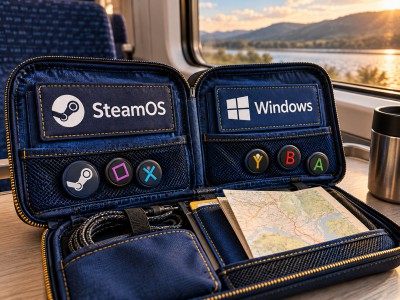
SteamOS vs Windows on handhelds: let the game library decide first
A focused controller experience and native Windows software access solve different needs. Compatibility, anti-cheat and device support define the useful choice.
A focused controller experience and native Windows software access solve different needs. Compatibility, anti-cheat and device support define the useful choice.
Direct3D 12 and Vulkan give engines explicit control, with different platform considerations. A game's backend and its implementation matter more than the logo.
Both names cover several rendering tools with different requirements. Separate image quality, rendered frames and displayed frames before judging the result.
The Linux choice involves kernel modules, userspace drivers and game compatibility. Open NVIDIA modules, Mesa NVK and Radeon RADV are different paths.
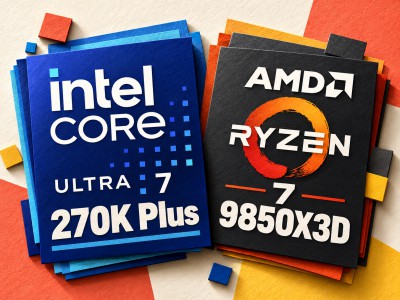
Hybrid cores, X3D cache and motherboard reuse answer different needs. Compare complete systems and real workloads instead of counting cores across architectures.
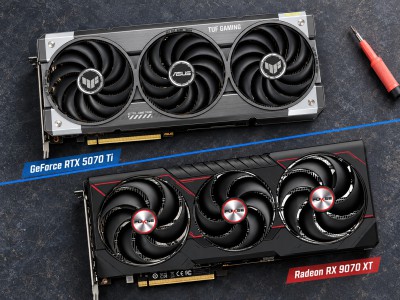
Game rendering, upscaling and creative applications can favor different purchases. Feature support depends on the GPU generation and the software, not only the brand.
Twenty-four cores against eight is a misleading shortcut. Workload, cache behavior and the motherboard you already own give this CPU comparison its meaning.
NVIDIA and AMD offer the same memory capacity, but software support, rendered performance and the price of a specific partner card determine the useful comparison.
A named developer has claimed DICE and Respawn involvement. That is a specific source for the rumor, but it remains separate from a publisher announcement.