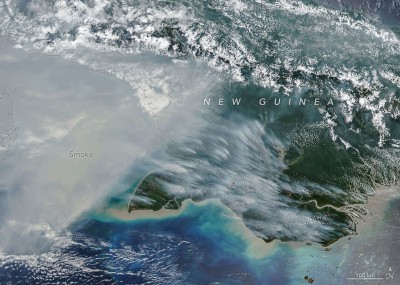
New Guinea’s smoke is visible from space. Counting its carbon takes more than a picture
NASA’s new report combines an October 11 satellite view with dated emissions estimates. The dates, geography and units explain what the evidence can show.
NASA’s new report combines an October 11 satellite view with dated emissions estimates. The dates, geography and units explain what the evidence can show.
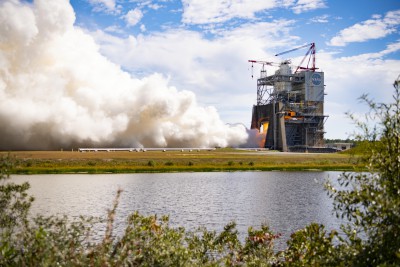
Development engine 10001 ran at Stennis for a flight-length firing. Duration and operating margin explain more than the plume alone.
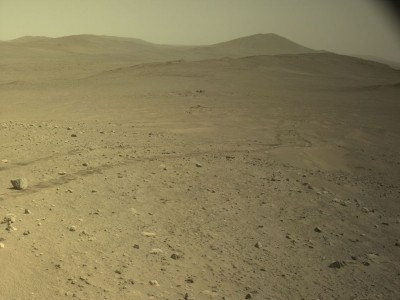
NASA’s new engineering account connects a 45.22-kilometre milestone with science stops, autonomous navigation and a reused helicopter processor.
A newly published report explains wavelength steering and forest measurements from a 2024 flight. A space-ready instrument remains future work.
The October 21–22 meteor shower favors a dark interval before dawn. NASA’s sky chart and realistic viewing rates help make the early start worthwhile.
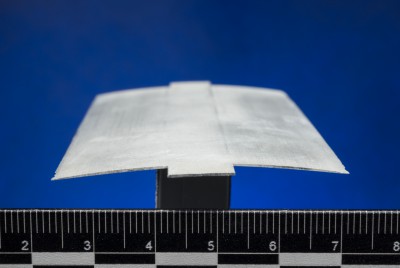
Wind-tunnel tests and simulations favor a Mars-specific airfoil. The long-range figures describe future designs, not a flight already achieved.
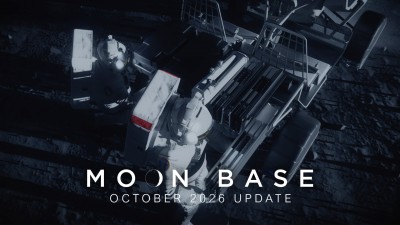
The October update separates mockups, design reviews and future lunar delivery. Remote operation makes these vehicles more than astronaut transport.
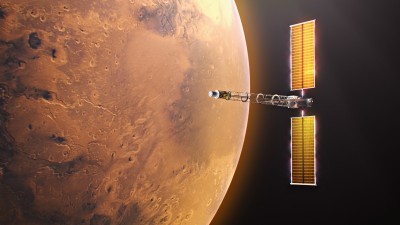
Sierra Lobo will supply the conversion system for the planned 2028 mission. The reactor and the electric spacecraft still have to prove themselves together.
Viasat and SES will test different routes for science data and spacecraft commands. Reaching orbit begins the demonstration; it does not certify a replacement network.