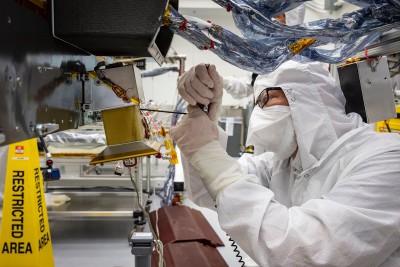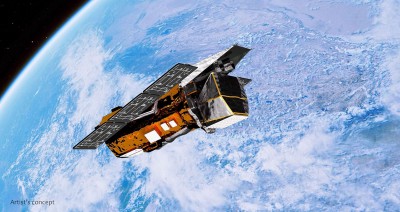
Swift has stopped observing. Its greatest instrument was the ability to turn quickly
NASA’s gamma-ray-burst observatory leaves nearly 22 years of observations as atmospheric drag ends the mission. Its archive outlives the spacecraft.
NASA’s gamma-ray-burst observatory leaves nearly 22 years of observations as atmospheric drag ends the mission. Its archive outlives the spacecraft.
Flight-like avionics, simulated sensors and real-time imagery bring the first Titan landing sequence into a more demanding test.
The 2028 target now rests on two distinct chains of refuelling, transfer stages and rendezvous. Neither provider has the first landing assigned.
A Virginia partnership connects Earth observations with planning. Cooling-degree maps are useful evidence, but they are not a forecast of an electricity bill.
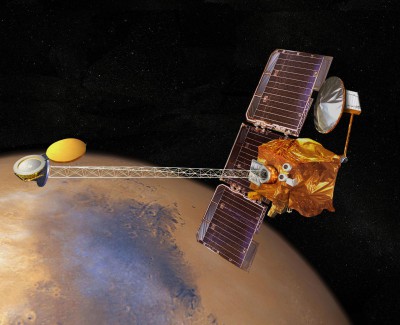
NASA’s veteran orbiter built a thermal record of Mars and helps surface missions send their discoveries home. Longevity has become part of the infrastructure.
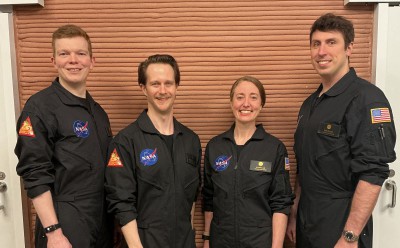
CHAPEA’s second crew is nearing the end of a 378-day mission in Houston. Communication delays turn ordinary maintenance and medical questions into autonomy research.
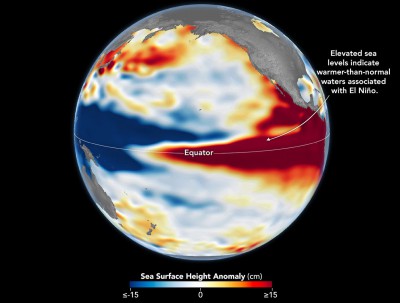
Satellite sea-height measurements reveal a striking similarity across decades. They are evidence of ocean conditions, not a local winter forecast.
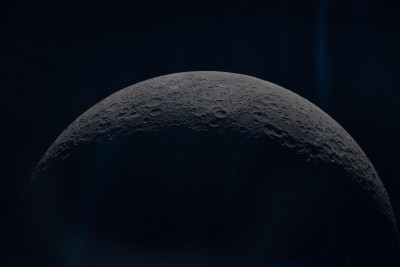
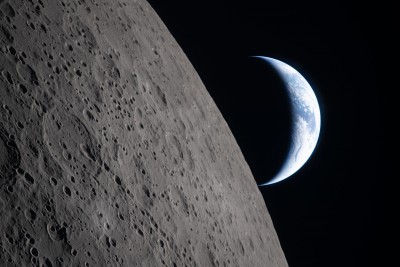
NASA will discuss Artemis III and its 2028 lunar-landing goal. The next crewed mission is a systems test in low Earth orbit, with ESA astronaut Luca Parmitano aboard.
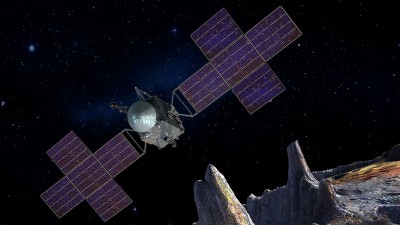
NASA’s spacecraft has begun its sustained electric-propulsion leg. A tiny continuous push matters more than a spectacular burst.