NASA’s 19 citizen-science selections include a galaxy project you can already join
Overlap Zoo uses backlit galaxies to study dust. Other selected proposals still need development, data or location-specific equipment.
Overlap Zoo uses backlit galaxies to study dust. Other selected proposals still need development, data or location-specific equipment.
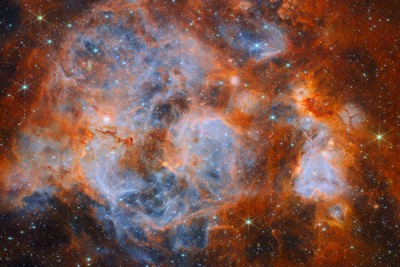
Infrared colours separate ionized gas, molecules and dense filaments. The nearby galaxy offers a comparison with less chemically enriched conditions.
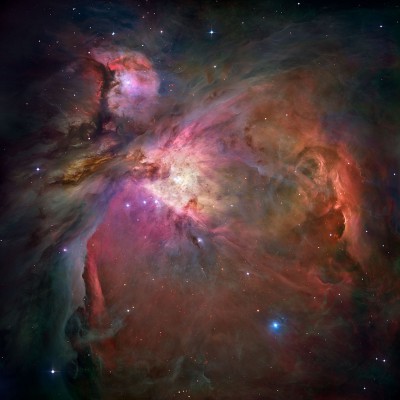
Hubble’s archival mosaic shows a stellar nursery shaped by ultraviolet light. Brightness, color and structure each tell a different part of the story.
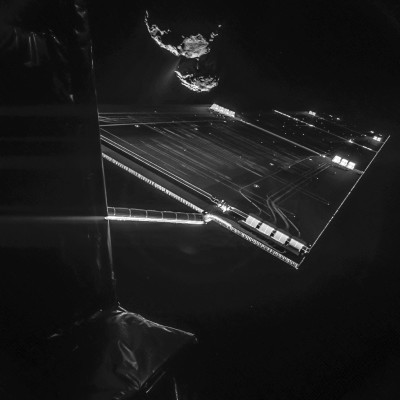
Philae took the 2014 image while still attached to the orbiter. Two exposures let a spacecraft and a dim comet share the frame.
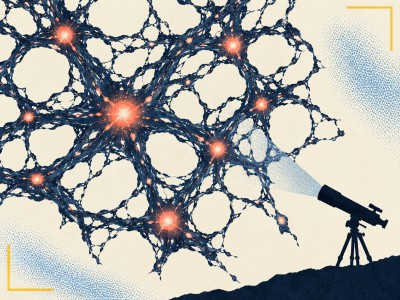
An astronomy visualization makes structure visible without photographing the particles behind it. That distinction is the useful part of the image.
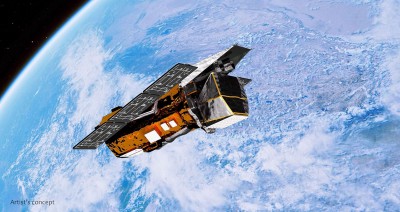
NASA’s gamma-ray-burst observatory leaves nearly 22 years of observations as atmospheric drag ends the mission. Its archive outlives the spacecraft.
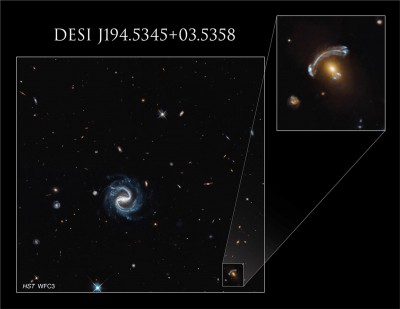
A faint arc near a foreground galaxy shows why sharp Hubble observations matter for Roman’s much wider surveys.
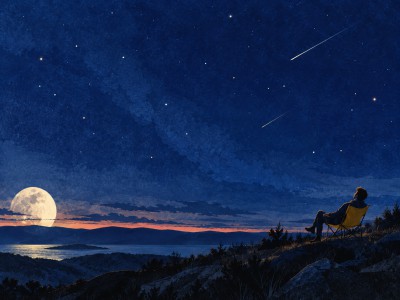
The October 21–22 meteor shower favors a dark interval before dawn. NASA’s sky chart and realistic viewing rates help make the early start worthwhile.
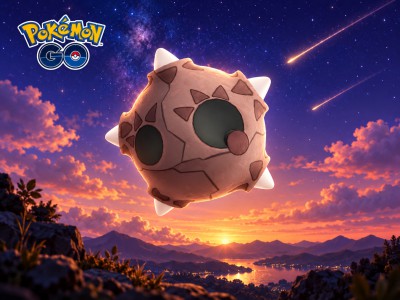
The current event offers an evening encounter boost and a battle transformation. The real meteor shower peaks on a different timetable.